YEARS IMPRISONED
11+
FREE BEFORE KILLED
~3 wks
SUSPECTS IDENTIFIED
3
DEATH SENTENCE YEAR
2014
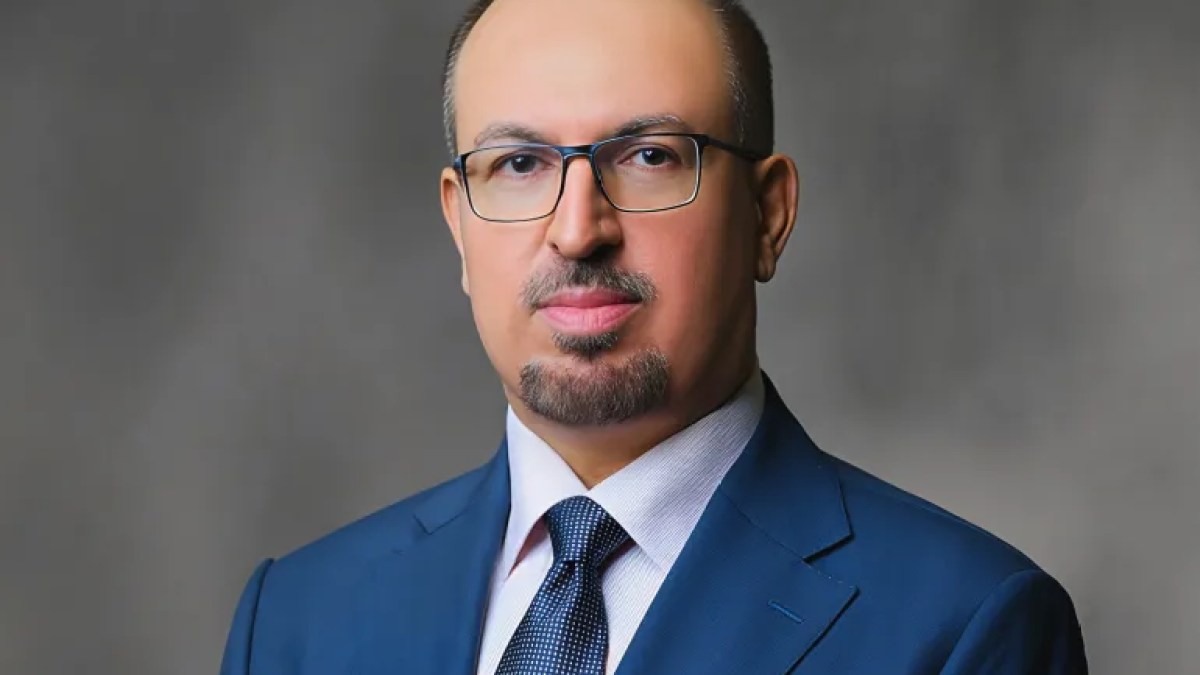
Ahmed al-Alwani, a Sunni former parliamentarian from Anbar province, was found dead Tuesday evening in an apartment in Beirut's Tariq al-Jdideh neighbourhood. Lebanese preliminary findings indicate he was strangled. A Lebanese national has been arrested; authorities are searching for two Syrian suspects who reportedly transported al-Alwani from the airport to his hotel upon his arrival in Beirut last week.
Extraction Map
Al-Alwani's political biography reads like a compressed history of Sunni marginalisation in post-2003 Iraq. He rose to prominence during the 2012-2013 protest movement against then-Prime Minister Nouri al-Maliki's government, which demonstrators accused of sectarian policies targeting Sunnis. He was a vocal critic of Iranian influence in Iraq and of Iranian-backed Shia armed groups. In December 2013, a security raid on his Ramadi home left his brother and several others dead. He was sentenced to death in 2014 on terrorism charges widely seen as politically motivated. After more than a decade in prison, al-Alwani was released in April 2025 under Iraq's General Amnesty Law. The timeline between his release and his killing is brutally short — weeks, not months. His office described the death as an "assassination" and a "treacherous crime," demanding accountability and warning that "no one is above" it. Lebanon's top prosecutor, Judge Ahmed Rami al-Hajj, is personally overseeing the investigation, carried out by the Information Branch of Lebanon's Internal Security Forces. Iraq's Ambassador to Lebanon Mohammed Reda al-Husseini said the embassy is awaiting the final Lebanese security report to "disclose the circumstances of the crime." Both governments are publicly engaged, but neither has named suspects beyond the three individuals — one arrested, two at large. The extraction pattern here is familiar across Iraq's post-invasion political landscape: critics of Iranian-aligned power structures are neutralised through judicial, paramilitary, or extrajudicial means. Al-Alwani survived a death sentence and 11 years of imprisonment. He did not survive his first weeks of freedom. Whether the killing was ordered by Iraqi factions, Iranian-aligned groups, or actors with personal grievances, the effect is identical — a chilling signal to anyone who might follow his path of vocal opposition. Beirut's role as the location is not incidental. Lebanon's fractured security environment and Hezbollah's historically deep ties to Iranian-backed Iraqi groups make it simultaneously a plausible refuge and a permissive environment for targeted killings. The Tariq al-Jdideh neighbourhood is a Sunni-majority area — al-Alwani may have felt relatively safe there, which makes the operational access the suspects had all the more telling. The structural question is whether Iraq's amnesty law means anything if freed prisoners are killed abroad within weeks. If the state cannot — or will not — protect released political figures, amnesty becomes a formality that changes a prisoner's location but not their vulnerability. Al-Alwani's death will be read by every Sunni political figure in Iraq as a data point about the real cost of opposition.
Worth reading?
SKIP
Score
4
/100
Extractive — the killing of a freed dissident eliminates political voice and signals to all opposition figures that extrajudicial punishment persists beyond prison walls, concentrating power among those willing to use violence.
What Is GRIN?
GRIN stands for Generativity, Resilience, Innovation efficiency, and Novelty openness. These four dimensions capture the essential characteristics of any memetic intelligence — whether a nation, a corporation, a religion, or a movement.
About GRINGenerativity
0/5
Resilience
1/5
Efficiency
0/5
Novelty
0/5
Extractive
5/5
Inverted
Does this create new capability or just redistribute existing value?
Pure value destruction. A political voice cultivated over decades — protest leader, parliamentarian, survivor — was permanently eliminated within weeks of release. No new capability created; existing capability erased.
Verified Facts (10)
Al-Alwani's body was found Tuesday evening in an apartment in Tariq al-Jdideh neighbourhood of Beirut.
Lebanon's top prosecutor Judge Ahmed Rami al-Hajj is personally overseeing the investigation.
Preliminary findings indicate al-Alwani was strangled to death.
A Lebanese national suspected of involvement has been arrested; two Syrian suspects are still at large.
Suspects had taken al-Alwani from the airport to his hotel when he arrived in Beirut last week.
Al-Alwani represented the western province of Anbar in Iraq's parliament.
He was arrested in December 2013 during a security raid on his home in Ramadi; his brother and several others were killed.
He was sentenced to death in 2014 on terrorism charges.
He was released in April 2025 under Iraq's General Amnesty Law after more than a decade in prison.
Iraq's Ambassador to Lebanon Mohammed Reda al-Husseini said the embassy is following the case closely.
More latest news
Read all