FACING HUNGER · MID-2027
1.15M
OF POPULATION
~25%
WAR COST EST.
$27B
STILL DISPLACED
300K
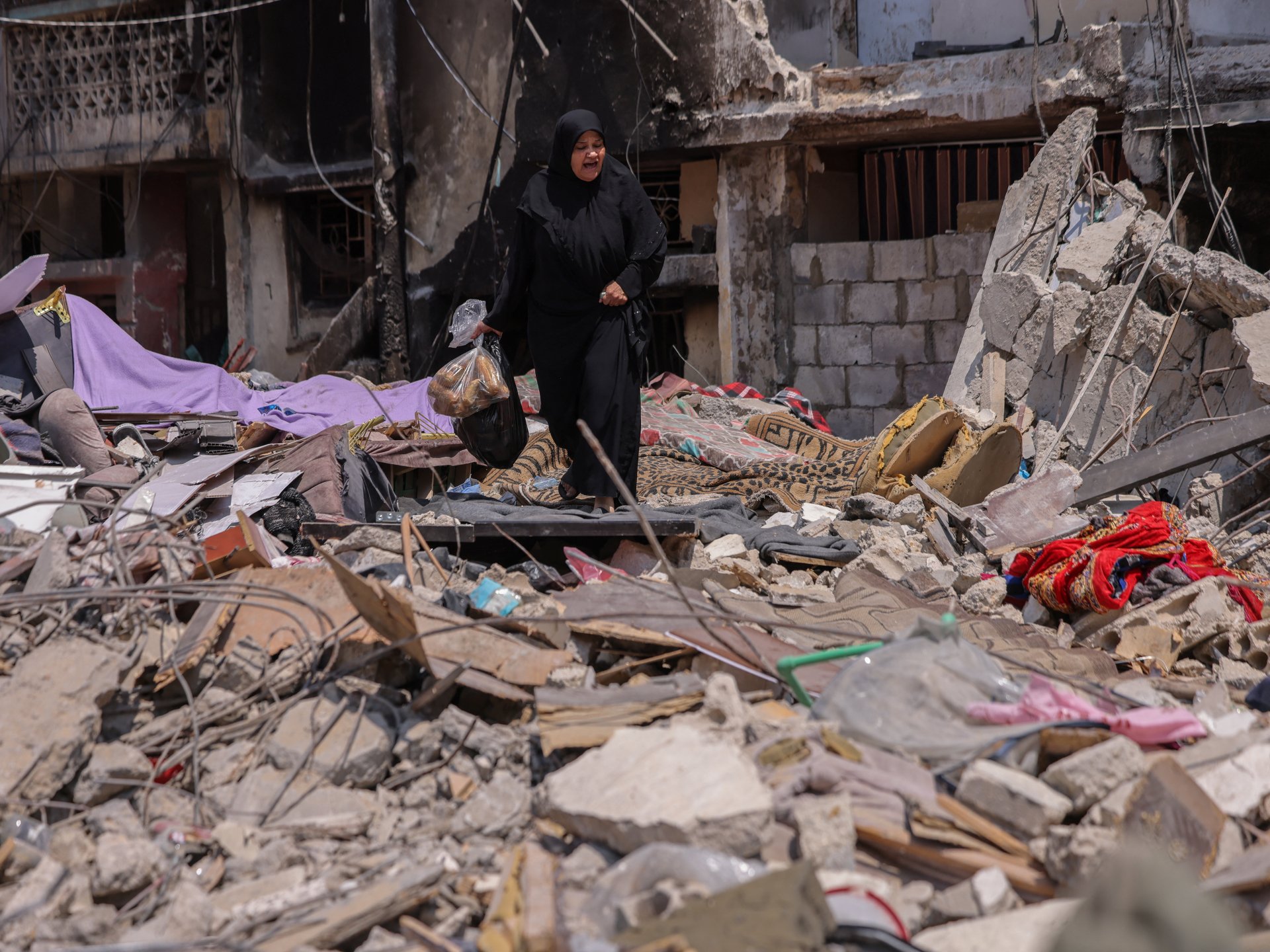
More than one million people in Lebanon — nearly a quarter of the population — now face acute food shortages, according to a joint assessment by the FAO, World Food Programme, and Lebanon's Ministry of Agriculture. The number is projected to climb to 1.15 million by mid-2027. The cause is not a single event but a compounding stack: two wars with Israel since October 2023, an economic crisis that began in 2019 and never resolved, and a government that has failed to implement the reforms needed to unlock an IMF bailout.
Extraction Map
The mechanics are straightforward and brutal. Employment opportunities remain scarce, household savings are gone, and debt loads are high. Food, fuel, and essentials continue to eat into budgets that have nothing left to give. The WFP's country director put it plainly: for many families, even a small additional shock now pushes them deeper into crisis. The buffer is zero. Lebanon's authorities estimate the combined cost of the two Israel-Hezbollah wars at roughly $27 billion. The most recent conflict, which began in March, displaced more than one million people. That figure has since fallen to approximately 300,000 following a reduction in violence in June, but the displacement's economic aftershocks — lost livelihoods, destroyed infrastructure, disrupted agriculture — persist. The geopolitical overlay complicates recovery. A US-brokered framework deal signed in June was supposed to end the fighting: Israel would withdraw from occupied Lebanese territory, Lebanon's army would deploy, and Hezbollah — not a party to the agreement — would be disarmed. Israel remains on Lebanese soil. The terms are unfulfilled, and the ceasefire framework is holding in name only. Beneath the war damage sits Lebanon's deeper structural rot. The economic crisis that erupted in 2019 wiped out bank deposits, cratered the currency, and gutted public services. Beirut has been in IMF negotiations for years but has not enacted the governance and financial reforms the institution demands. Without that bailout, there is no large-scale injection of capital to rebuild productive capacity or restore a functioning safety net. The extraction pattern is multi-layered. Israeli military operations extract physical infrastructure and human security. The pre-existing financial crisis extracted household savings and purchasing power years ago. Political paralysis extracts any chance of structural reform. And the international system's conditional aid architecture — reforms first, money later — creates a catch-22 for a government too fractured to reform. The costs land entirely on ordinary Lebanese households, who are now running out of coping mechanisms. If this trajectory holds, Lebanon faces a protracted food security emergency layered on top of a governance vacuum. The agriculture minister's call for a 'coordinated national response' is correct in diagnosis and almost certainly unachievable in practice without external capital and political will that do not currently exist.
Worth reading?
SKIP
Score
8
/100
Extractive — value is being destroyed and extracted at every layer (military destruction, financial collapse, political paralysis, conditional aid withholding) with costs borne entirely by Lebanese households who have no remaining coping mechanisms.
What Is GRIN?
GRIN stands for Generativity, Resilience, Innovation efficiency, and Novelty openness. These four dimensions capture the essential characteristics of any memetic intelligence — whether a nation, a corporation, a religion, or a movement.
About GRINGenerativity
0/5
Resilience
0/5
Efficiency
1/5
Novelty
1/5
Extractive
5/5
Inverted
Does this create new capability or just redistribute existing value?
Zero generative activity. Wars destroy infrastructure and livelihoods, the IMF bailout is frozen, and no productive capacity is being rebuilt. Value is being annihilated, not created.
Verified Facts (8)
Nearly a quarter of Lebanon's population, or more than one million people, is facing acute food shortages
The number is expected to rise to 1.15 million by the middle of next year
Lebanon's authorities estimate that the cost of two wars between Israel and the Lebanese armed group Hezbollah since October 2023 amounts to about $27bn
The last war, launched in March, displaced more than one million people in Lebanon. That number has fallen to about 300,000 since violence subsided in June
A United States-brokered framework deal signed between Israel and Lebanon's government in June to bring fighting to an end
Israel is still occupying land in Lebanon
Lebanon's worst-ever economic crisis began in 2019
Beirut has been seeking a bailout from the International Monetary Fund but has yet to implement reforms demanded by the institution
More latest news
Read all