COUNTS GUILTY
10/12
THEFT SPAN
20 yrs
COUNTRIES OPERATED
170+
TRIAL LENGTH
3 mo
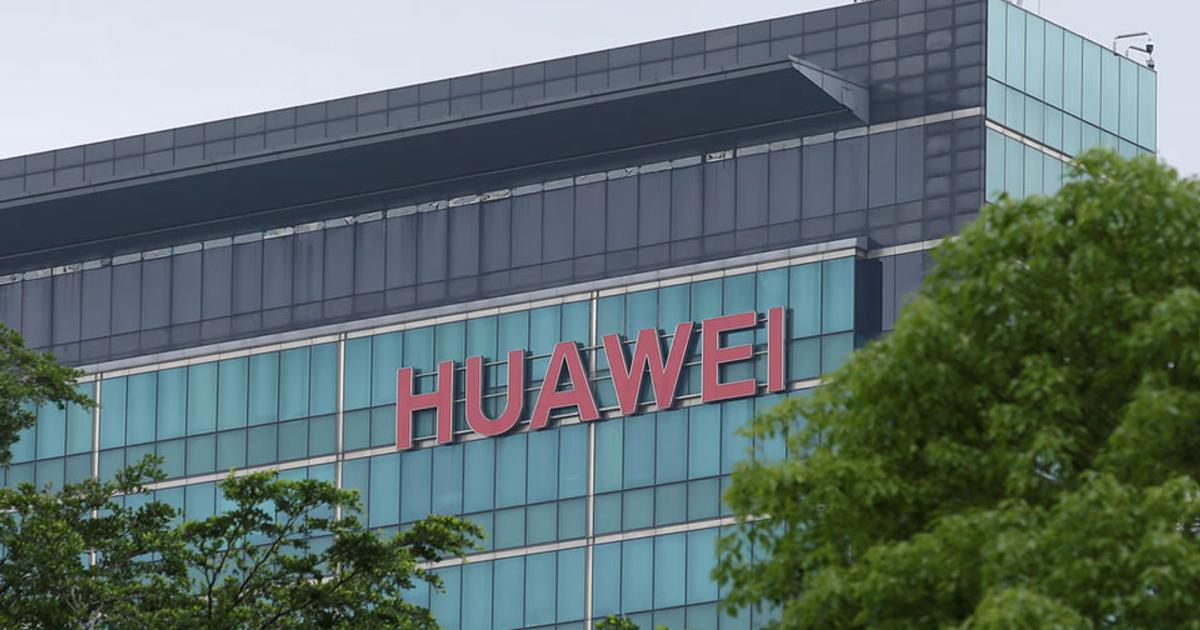
A federal jury in Brooklyn convicted Huawei on 10 of 12 criminal counts on November 24, 2026, capping a three-month trial that laid bare a two-decade campaign of intellectual property theft, wire fraud, and money laundering. The charges span activity from 2000 to 2020 — a period during which Huawei grew from a mid-tier telecom equipment maker into what Nvidia CEO Jensen Huang has called "China's most formidable technology company."
Extraction Map
The indictment, filed in April at a New York federal district court, alleged that Huawei and three subsidiaries ran an organized scheme to acquire proprietary technology from U.S. firms including Cisco Systems and T-Mobile. Prosecutors said the company poached employees specifically to extract source code and confidential technical information. The DOJ further accused Huawei of concealing business operations in sanctioned countries — Iran and North Korea — and lying to banks about its Iranian dealings. Deputy Attorney General Todd Blanche framed the verdict in absolute terms: "No individual or company stands above the law. For decades, Huawei and its three subsidiaries operated in the United States on a foundation of deception and theft." The conviction on conspiracy to steal trade secrets, wire fraud, and money laundering conspiracy gives prosecutors substantial leverage heading into sentencing. The jury acquitted Huawei on the RICO conspiracy charge — the most structurally ambitious count, which would have characterized the entire enterprise as an ongoing criminal organization. That acquittal matters: RICO carries enhanced penalties and broader forfeiture provisions. Without it, the government's sentencing toolkit is narrower, though still formidable. Huawei pushed back immediately. In a statement issued November 25, the company called the remaining convictions "legally and factually baseless" and characterized the five trade-secret disputes at the heart of the case as "civil matters that were resolved over the past 20 years." The company signaled it would pursue all available legal remedies. This framing — civil-not-criminal — will be the backbone of any appeal. The conviction lands in an already hostile regulatory environment. The U.S. Commerce Department placed Huawei on the Entity List in 2019, effectively banning American firms from supplying it with technology. The criminal verdict now adds judicial weight to what was previously an executive-branch determination. For Huawei's 170+ country operations, the signal is clear: doing business with the company now carries not just regulatory risk but the stain of a federal conviction. The strategic question is what changes. Huawei already operates under maximum U.S. pressure and has responded by building its own semiconductor capability and deepening its AI footprint. A conviction may accelerate decoupling rhetoric but is unlikely to alter the company's trajectory in markets where the U.S. has limited enforcement reach. The real audience for this verdict is not Huawei — it is every other foreign technology company calculating the cost-benefit of IP acquisition in the United States.
Worth reading?
SKIP
Score
36
/100
Extractive. Huawei's two-decade scheme extracted proprietary value from U.S. firms to accelerate its own competitive position; the conviction is a correction mechanism, but the extracted IP is already deployed globally and cannot be clawed back.
What Is GRIN?
GRIN stands for Generativity, Resilience, Innovation efficiency, and Novelty openness. These four dimensions capture the essential characteristics of any memetic intelligence — whether a nation, a corporation, a religion, or a movement.
About GRINGenerativity
1/5
Resilience
3/5
Efficiency
2/5
Novelty
2/5
Extractive
4/5
Inverted
Does this create new capability or just redistribute existing value?
Net-negative generativity. The underlying conduct transferred innovation value from creators to a competitor without compensation. The conviction itself generates no new capability — it's a retroactive accounting.
Verified Facts (14)
Huawei convicted on 10 of 12 counts on November 24, 2026
Brooklyn federal jury, three-month trial
Charges include conspiracy to steal trade secrets, wire fraud, money laundering conspiracy
Todd Blanche, U.S. Deputy Attorney General, issued DOJ statement
Indictment filed April 2026 at New York federal district court
Alleged scheme ran from 2000 to 2020
Victims include Cisco Systems and T-Mobile
Prosecutors alleged employee poaching to extract source code and proprietary information
Huawei accused of concealing business in Iran and North Korea and lying to banks about Iranian dealings
Jury acquitted on RICO conspiracy charge
Huawei statement November 25 called remaining convictions 'legally and factually baseless'
Huawei headquartered in Shenzhen, operates in 170+ countries
Nvidia CEO Jensen Huang called Huawei 'China's most formidable technology company'
U.S. Commerce Department placed Huawei on Entity List in 2019
More latest news
Read all