Get the book
DIE WITH ZERO 人生が豊かになりすぎる究極のルール
on Amazon
APRIL-OCTOBER
+5.7%
MILLION LOAN
+3%
SEDAN POPULAR GRADE
¥1.4M
EXAMPLE LISTED
¥8M
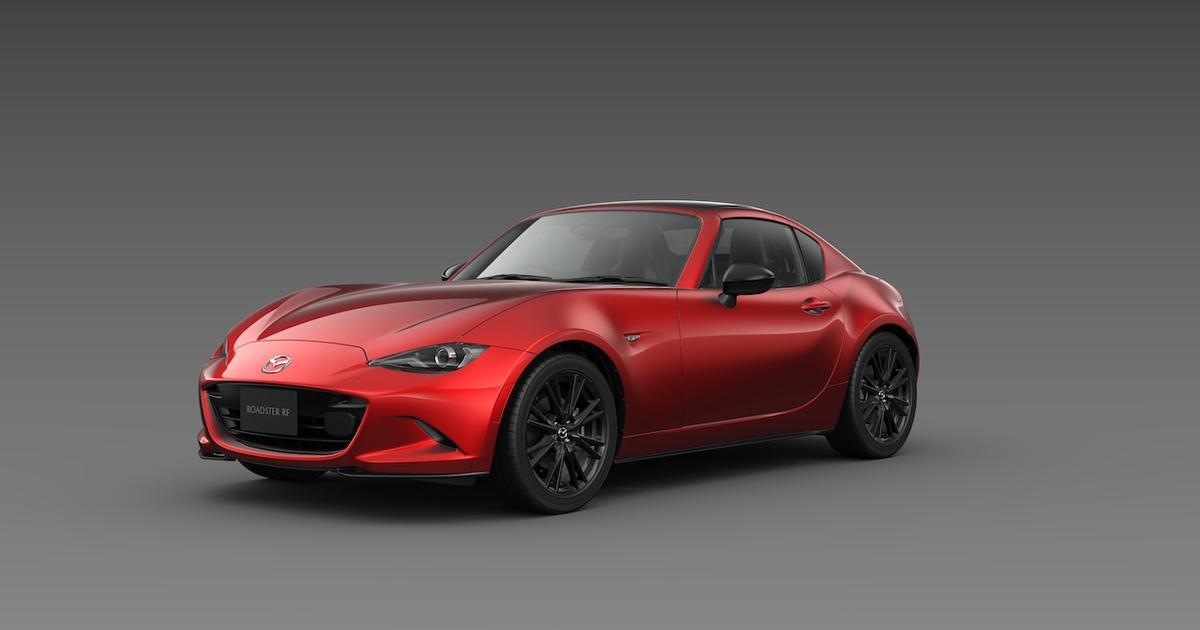
This is a two-part essay series from product designer Masashi Yamanaka, and this second installment flips the script on the first. Part one argued that a ¥160,000 Daihatsu Mira Gino or a base Suzuki Alto can deliver a perfectly satisfying driving life. Part two says: if you genuinely love cars, stretch beyond your budget and buy the one you actually want. The tension between the two pieces is the point. The economic argument is concrete and well-sourced. The cheapest Mazda Roadster grade went from ¥2,494,800 at 2015 launch to ¥2,959,000 in 2026 — roughly ¥380,000 more after adjusting for the consumption tax hike. The BMW 3 Series is worse: ¥1.4 million more in under a decade, driven by yen weakness, euro strength, raw material costs, and labor inflation. Used car averages jumped ¥200,000 in a single year per Recruit's 2025 survey. USS auction data shows 5.7% year-on-year increases. The numbers are real and they all point one direction. The emotional framework comes from Bill Perkins' "Die With Zero" and its concept of "memory dividends" — the idea that experiences generate returns long after they end, and that the same ¥1 million spent at 30 buys memories that ¥1 million at 50 simply cannot replicate. Yamanaka applies this directly to car ownership: the 20 years you could have spent with a car you bought at 30 don't come back when you finally buy it at 50. The Mazda RX-7 Spirit R Type A that listed at ¥4,197,900 new in 2002 now trades at ¥8 million for a low-mileage example. The Honda S2000's final model, ¥3,864,000 new, sold at auction for ¥6.5 million in October 2025. The strongest passage isn't about money at all. It's the story of a YouTuber called "Mesan" who had no interest in cars or driving, fell for a Roadster 990S on looks alone, bought it without a test drive, and subsequently organized a 100-car meetup in Miyagi Prefecture. A 1500cc open-top changed how she relates to other people. That's the memory dividend made tangible — not nostalgia, but identity formation. Yamanaka is honest about the loan math: borrow ¥1 million at 3% over five years, pay ¥18,000/month, total interest ¥78,000. He frames that ¥78,000 as the price of pulling forward nearly five years of ownership. The condition he attaches — that repayments plus insurance, tax, and maintenance must not crowd out the rest of your life — is the right caveat, though it deserves more scrutiny than it gets. The piece doesn't address depreciation risk on non-collector cars, opportunity cost of capital, or the possibility that the "dream car" feeling fades faster than the loan term. The essay works because it doesn't pretend to be financial advice. It's a thought experiment about how car enthusiasts should think about time, money, and experience — the mirror image of part one's frugality argument. The two pieces together form a more interesting object than either alone: they bracket the decision space rather than prescribing a single answer. What holds it back is structural. The inflation data and the memory-dividend philosophy are two distinct arguments stitched together by proximity rather than by a unified framework. The collector-car examples (RX-7, S2000, GR Yaris, Civic Type R) serve the inflation thesis but not the memory thesis — most readers aren't buying future collectibles. And the essay never quite confronts the hardest version of its own question: what if the car you want is simply unaffordable, not just above budget?
Worth reading?
RECOMMENDED
Score
52
/100
Japanese car enthusiasts wrestling with whether to stretch for a dream car, and anyone interested in how the 'Die With Zero' framework applies to specific purchasing decisions beyond travel.
Cultural Placement
Like a Monocle car column crossed with Ramit Sethi's permission-to-spend philosophy, filtered through Japanese car-otaku specificity. The closest English-language equivalent is the best of Chris Harris's emotional car writing on Top Gear, but grounded in household economics rather than lap times. Where 'Die With Zero' provides the philosophical scaffolding, Yamanaka provides the granular Japanese market data — yen depreciation, USS auction prices, specific trim-level pricing — that Perkins never would. It sits in a tradition of Japanese automotive essayists who treat cars as life-philosophy objects rather than consumer products.
Honest assessment
A well-constructed lifestyle essay that gives car enthusiasts intellectual permission to buy what they want, backed by real inflation data and a borrowed but well-applied philosophical framework. It's more useful as a decision-making lens than as financial advice, and it's most powerful when read alongside its frugality-minded first part. The writing is clean and the market data is genuine, but the two halves — economic argument and emotional argument — never fully fuse.
What Is NOVEL?
52
/ 100
BedrockNews applies a structured analytical framework called NOVEL to cultural works — games, books, film, music, and more.
How NOVEL worksNerve
2/5
Originality
3/5
Voice
3/5
Endurance
2/5
Lineage
3/5
What did the artist risk? What could have failed?
Modest risk. Advocating debt for a depreciating asset in a personal-finance context is mildly contrarian, but the escape hatch of part one's frugality argument hedges the bet neatly.
Verified Facts (8)
Mazda Roadster cheapest grade: ¥2,494,800 at 2015 launch, ¥2,959,000 in June 2026 revision
BMW 3 Series sedan popular grade: ¥1.4 million increase since March 2019 Japan debut (ex-tax)
Mazda RX-7 Spirit R Type A: listed at ¥4,197,900 new in April 2002; 25,000km example listed at ¥8 million on Car Sensor
Honda S2000 final model: ¥3,864,000 new; 9,010km 2009 model sold for ¥6.5 million at Sellca auction October 2025
Recruit 2025 survey: used car average payment rose from ¥1,559,000 (2024) to ¥1,752,000 (2025)
USS auction average: ¥1,292,000 for April-October 2026, up 5.7% YoY
¥1 million loan at 3% over 5 years: ~¥18,000/month repayment, ~¥78,000 total interest
Die With Zero has sold 770,000 copies
More latest news
Read all