PURCHASE PRICE
¥167万
TOTAL W/ CLOSING
CA$18K
OF CDN HOME VALUE
2.5%
CDN PORTFOLIO
CA$1.1M+
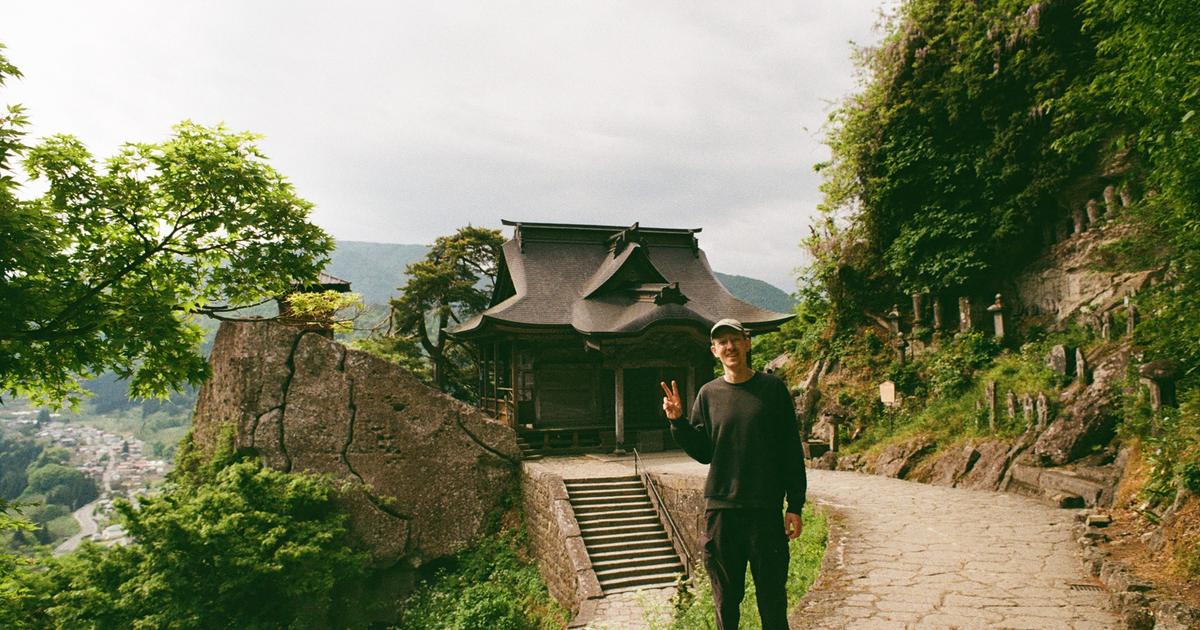
Andrew Koller, a 31-year-old freelance camera technician from Edmonton, Alberta, purchased an abandoned house in Yamagata Prefecture for CA$15,000 (approximately ¥1.67 million), plus CA$3,000 in closing costs. He plans to renovate the akiya himself, use it as a vacation home near a ski resort, and occasionally rent it out — though he explicitly states he does not view it as an investment.
Extraction Map
The price differential between Canadian and Japanese real estate is the story's structural engine. Koller's primary home in Edmonton is valued at just under CA$600,000 (¥67.14 million). He also owns a rental property purchased a decade ago for CA$500,000 (¥55.58 million) that has since appreciated. His entire Japanese property cost roughly 2.5% of his Canadian home's value. He calculates that flying to Japan for snowboarding is actually cheaper than a week in Banff or Jasper. Koller's path to Japan followed a pattern now familiar in the akiya content ecosystem. Anime exposure in childhood (Naruto, Pokémon, Dragon Ball Z) led to sustained cultural interest, pandemic-era Japanese language study beginning in 2020, a first visit in 2023, and algorithmic reinforcement via YouTube and Instagram surfacing other foreigners doing the same thing. He describes wanting to prove to himself he could follow through on an unconventional idea. The article sits within a growing Business Insider franchise covering foreign buyers of Japanese akiya — abandoned and vacant homes. A linked companion piece profiles a Swedish couple who bought an akiya for ¥8 million, and another covers a US$22,000 vacation house purchase. The editorial framing is lifestyle-aspirational: a young Westerner escaping unaffordable domestic housing markets by buying cheaply in rural Japan. What the piece doesn't examine is the structural context on Japan's side. Yamagata Prefecture's population has declined roughly 20% since its 1950 peak, and the akiya vacancy rate in rural prefectures continues to climb. These homes are cheap because entire communities are depopulating. Foreign buyers bringing sporadic seasonal use and occasional short-term rental income do not reverse that trajectory — they repurpose the symptoms of demographic collapse as lifestyle amenities. Koller's financial position is worth noting plainly. He co-purchased a rental property with his parents at age 20, lived rent-free through university, and now owns two properties in a surging Alberta market. The ¥1.67 million Yamagata purchase is pocket change relative to his CA$1.1 million+ Canadian property portfolio. This is not a story about housing accessibility; it is a story about the arbitrage between a hyper-inflated Western market and a depopulating rural Japanese one. The honest read: Koller seems genuine in his cultural interest and modest about his expectations. But the broader phenomenon — algorithmic pipelines converting Japan's vacancy crisis into English-language lifestyle content — deserves scrutiny that this piece does not provide. The question is not whether one Canadian can renovate a cheap house. It is what happens when thousands follow the same algorithm-fed path into communities that need year-round residents, not seasonal visitors.
Worth reading?
OPTIONAL
Score
40
/100
Mildly extractive — an individual captures lifestyle value from a structural vacancy crisis without contributing to the community resilience that rural Japan actually needs.
What Is GRIN?
GRIN stands for Generativity, Resilience, Innovation efficiency, and Novelty openness. These four dimensions capture the essential characteristics of any memetic intelligence — whether a nation, a corporation, a religion, or a movement.
About GRINGenerativity
1/5
Resilience
1/5
Efficiency
3/5
Novelty
3/5
Extractive
3/5
Inverted
Does this create new capability or just redistribute existing value?
Near-zero generativity for Yamagata. One seasonal visitor renovating one house creates no jobs, no year-round economic activity, no population stability. It is consumption of cheap housing stock, not creation of value.
Verified Facts (9)
Andrew Koller is a 31-year-old freelance camera technician from Edmonton, Alberta, Canada.
He purchased the house in Yamagata Prefecture in March for CA$15,000 (approximately ¥1.67 million at 1 CAD = ¥111.91).
Closing costs were an additional CA$3,000, totaling CA$18,000.
His Canadian home is valued at just under CA$600,000.
He purchased a rental property with his parents at age 20 for approximately CA$500,000.
He began studying Japanese with a tutor in 2020 during the pandemic.
He first visited Japan in 2023.
The house is near a large ski resort.
He states that flying to Japan for snowboarding is cheaper than staying in Banff or Jasper for a week.
More latest news
Read all