MASTER PLANS
0
CENTRAL OFFICES
0
CASE STUDY SHELL
155mm
GAO RECOMMENDATIONS
4
The US Government Accountability Office published a report Thursday revealing that the Department of Defense has no master plan connecting ammunition production, funding allocation, and long-term demand. DoD officials told investigators that absent such a plan, the department and military services have been reacting to global events rather than driving procurement from an integrated demand picture.
Extraction Map
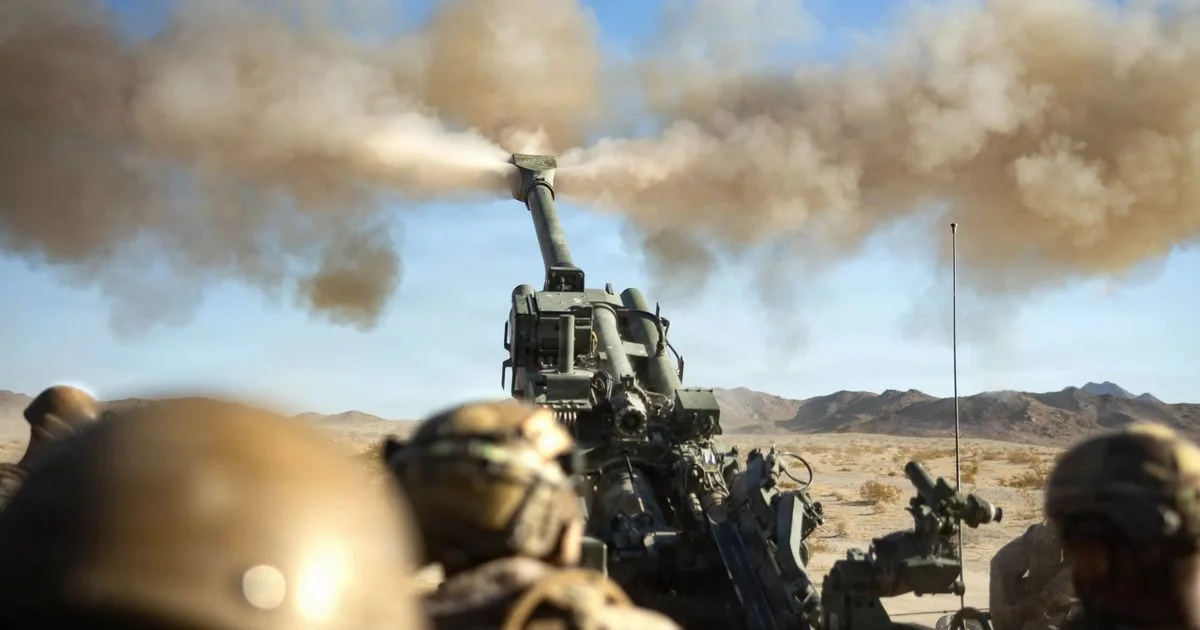
The structural gap is straightforward: the Pentagon can track munitions data across the services, but there is no central office responsible for improving stockpile levels or strategic planning. Each service branch maintains its own tools and data systems. Oversight of this information is limited in scope and irregular in frequency. The GAO found that without a single accountable authority, progress on chronic shortfalls has been difficult to achieve. The report uses 155mm artillery shell production as a case study. Output was ramped up specifically to address shortages created by US support for Ukraine — not because a broader munitions management strategy identified the need. The increase was a reactive patch, not a planned investment. This pattern — crisis-driven production spikes without strategic anchoring — defines the Pentagon's current approach. The US war against Iran and continued support for Ukraine have imposed severe strain on weapons inventories, particularly critical munitions like Patriot interceptors and Tomahawk cruise missiles. Some officials and analysts have raised alarms that stockpiles of certain weapons may have fallen to dangerously low levels, threatening readiness for other contingencies — including a potential conflict with China. A DoD official responded to the report by stating the US is "fully prepared to strike at the time and place of the president's choosing" and maintains "ample and ready deep stocks." The department declined to comment on the GAO's findings directly. The gap between this assurance and the GAO's structural diagnosis is notable — confidence in current readiness does not address the systemic inability to plan for sustained demand. The GAO issued four recommendations: develop a master ammunition plan linking inventory levels, production, and funding to long-term goals; establish a single office with authority over that plan; set a regular review schedule; and create a data management plan for tracking munitions across services. These are not exotic proposals. They are basic management infrastructure that the world's largest military budget has apparently operated without. The twenty-year question is whether the US defense industrial base can sustain a reactive posture in a world of simultaneous demands — Ukraine support, Middle East operations, Pacific deterrence. Without integrated planning, every new crisis cannibalizes stockpiles allocated nowhere in particular, and production surges arrive late to problems that were foreseeable years earlier.
Worth reading?
SKIP
Score
24
/100
Extractive — the absence of planning means taxpayer-funded production surges chase yesterday's crisis while eroding readiness for tomorrow's, with defense contractors capturing surge pricing without delivering strategic inventory improvement.
What Is GRIN?
GRIN stands for Generativity, Resilience, Innovation efficiency, and Novelty openness. These four dimensions capture the essential characteristics of any memetic intelligence — whether a nation, a corporation, a religion, or a movement.
About GRINGenerativity
1/5
Resilience
1/5
Efficiency
1/5
Novelty
2/5
Extractive
4/5
Inverted
Does this create new capability or just redistribute existing value?
Zero new capability created. Reactive production replaces depleted stocks without building surplus, strategic reserves, or industrial capacity that outlasts the current crisis cycle.
Verified Facts (11)
GAO report published Thursday (GAO-27-109420) on ammunition management
DoD lacks a master plan linking ammunition production and funding to demand
DoD officials told GAO the department reacts to global events rather than being driven by overall demand
155mm shell production increase was response to Ukraine-related shortages
No single office responsible for improving ammunition stockpiles or planning
Each service uses its own tools to support department-wide munitions data
GAO recommended: master plan, single authority, regular schedule, data management plan
DoD official stated US is 'fully prepared to strike at the time and place of the president's choosing' with 'ample and ready deep stocks'
Pentagon has worked with defense industry to increase production of Patriot interceptors and Tomahawk missiles
Concerns raised that some US weapon stockpiles may be dangerously low, threatening readiness including for potential China conflict
Navy reportedly fired expired munitions during Iran war
More latest news
Read all