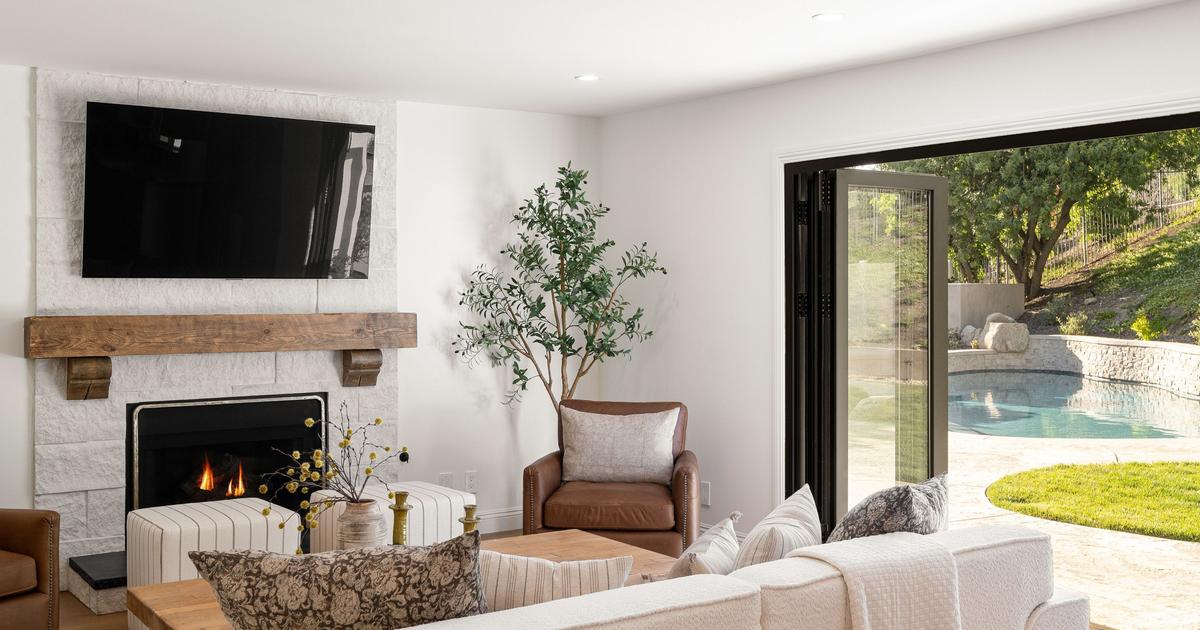
This is a listicle dressed as insider knowledge, and it works better than it has any right to. An unnamed interior designer with over a decade of experience serving wealthy clients distills their observations into ten things you won't find in a rich person's living room. The through-line is restraint: no matching furniture sets, no undersized rugs, no mass-produced art, no TV as focal point, no wall-hugging layouts, no single overhead light, no short curtains, no all-new furniture, no cluttered surfaces, no style-over-comfort choices. What makes this more than a Pinterest mood board is the underlying principle each tip encodes. The matching-furniture rule is really about visual heterogeneity signaling curatorial taste over catalog shopping. The rug-size rule is about spatial anchoring. The vintage-mixing rule is about manufacturing the appearance of accumulated time. Each tip, stripped of its aspirational packaging, is a small lesson in how designed spaces communicate status through restraint rather than accumulation. The designer's most honest observation is the last one: comfort matters more than appearance. Wealthy clients want sofas people actually sit on. This quietly undercuts the entire genre of aspirational interiors content, which typically implies that looking expensive requires sacrificing livability. Here, the argument is reversed — true luxury is the absence of that tradeoff. The practical advice is genuinely useful regardless of budget. Bigger rugs, layered lighting, curtains hung high, mixing old and new pieces, leaving negative space on shelves — none of this requires wealth. The designer says so explicitly in several entries. This is the article's real value proposition: it's selling taste as a learnable skill rather than a purchase. There's a tension the piece doesn't acknowledge. The wealthy clients described here are performing a specific aesthetic — curated eclecticism — that is itself a trend with a shelf life. The "looks like it was collected over decades" look is as much a style choice as the matching-set look it replaced. The piece treats one as timeless and the other as a mistake, which is itself a class marker. The format is clean, the photos illustrate each point effectively, and the writing is free of jargon. It's a Business Insider lifestyle piece doing exactly what it's designed to do: give readers actionable tips wrapped in aspiration. No more, no less.
Worth reading?
OPTIONAL
Score
28
/100
Someone furnishing their first real living room who hasn't yet absorbed basic interior design principles. If you've read one Emily Henderson or Architectural Digest roundup, you already know all of this.
Cultural Placement
Like a Domino Magazine feature crossed with a class-signaling decoder ring, with the practical specificity of Emily Henderson's blog but the aspirational framing of Architectural Digest's celebrity home tours. The mechanism is familiar: an expert translates wealthy-client observations into actionable rules for a mass audience. It sits in the tradition of 'what rich people do differently' content that runs from Paul Fussell's 'Class' to TikTok's 'old money aesthetic' trend, but lands closer to the useful end of that spectrum.
Honest assessment
Solid, actionable interior design advice packaged as class voyeurism. Every individual tip is sound and budget-applicable, but the format is so well-worn that nothing here will surprise anyone who's spent an afternoon on design blogs. Worth a skim if you're new to intentional decorating; skip if you're not.
What Is NOVEL?
28
/ 100
BedrockNews applies a structured analytical framework called NOVEL to cultural works — games, books, film, music, and more.
How NOVEL worksNerve
1/5
Originality
1/5
Voice
2/5
Endurance
1/5
Lineage
2/5
What did the artist risk? What could have failed?
Zero risk taken. Every tip is consensus advice in the interior design world — bigger rugs, layered lighting, mix old and new. No contrarian positions, no personal stakes, no chance of failure.
Verified Facts (5)
Author has worked with wealthy and notable clients for over 10 years
10 specific items listed: matching furniture sets, undersized rugs, mass-produced art, TV as focal point, wall-hugging furniture, single overhead lighting, short/low-hung curtains, all-new furniture, cluttered surfaces, style over comfort
Advice includes: front legs of main seating should be on the rug
Samsung Frame TV or similar art-display TV referenced as a solution for integrating televisions
Article originally published in English on Business Insider, translated for Business Insider Japan
More latest news
Read all