NVIDIA MARKET CAP
~$3T
DIRECT REPORTS
60
HUANG STAKE
3.6%
PROJECTED STOCK HIT
−30%
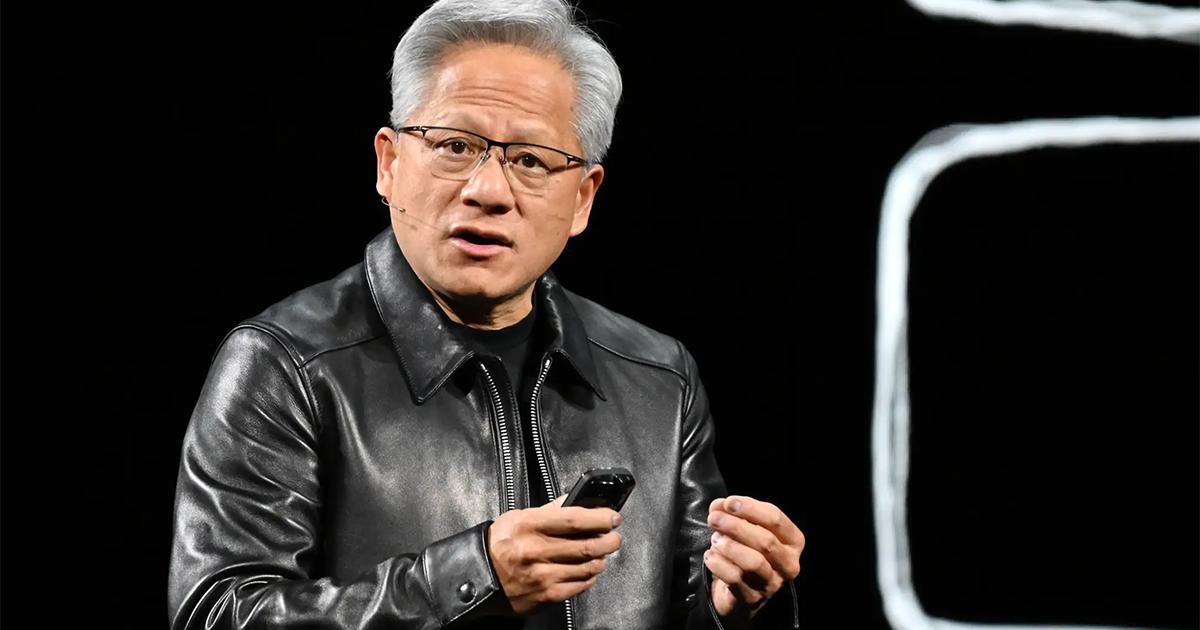
Jensen Huang built Nvidia into the most valuable chipmaker on Earth by running the company like an extension of himself — 60 direct reports, no chief operating officer, no publicly named successor. That structure worked spectacularly when the single point of failure stayed intact. Now it's cracking.
Extraction Map
The trigger is personal, not operational. Huang admitted to an extramarital affair, the board launched an investigation into whether he was targeted by a foreign intelligence operation, and the New York Times reported a second relationship with a direct subordinate, senior executive Kimberly Powell. By November 12, the Wall Street Journal reported the board was preparing to remove him. Later that same day, Huang resigned, and CFO Colette Kress was named interim CEO. The succession landscape is thin by design. Kress, a 13-year veteran with a finance background from Cisco and Microsoft, is the only executive with external name recognition — but she lacks the engineering pedigree that made Huang's vision credible to developers and customers. Ian Buck, the 22-year veteran who helped build CUDA and now runs the data center and computing divisions that generate nearly all of Nvidia's revenue, is the consensus long-term candidate among analysts and former employees. Co-founder Chris Malachowsky, who holds a "Fellow" title, may influence the selection. The family dimension adds complexity. Huang's daughter Madison Huang, a senior director in physical AI product marketing, has been expanding her authority across business lines according to former employees — a pattern some interpret as positioning for eventual leadership. Huang's son Spencer also works at the company. Whether the founding family retains influence over the next era is an open question. External candidates have been floated: Google Cloud CEO Thomas Kurian and AWS CEO Matt Garman both oversee massive AI infrastructure operations and have deep commercial relationships with Nvidia. But as former employees emphasize, Nvidia's culture is distinctive enough that an outsider would face serious integration risk. The market impact is immediate and serious. Analysts have warned Huang's departure could trigger a 30% stock decline. Brad Gastwirth of Circular Technology frames it plainly: Nvidia will survive, but the pace of innovation and execution is in question. Huang's 3.6% ownership stake gives him ongoing influence, but not control. The board's investigation findings will determine whether that influence is exercised or constrained. The deeper structural lesson is not about one man's personal failings. It's about a corporate governance model where a $3 trillion company's strategic direction, technical vision, customer relationships, and organizational coherence were deliberately concentrated in a single human being with no backup. That's not leadership — it's architecture without redundancy, and the stress test just arrived.
Worth reading?
SKIP
Score
20
/100
Extractive — decades of deliberate succession-planning avoidance concentrated all strategic, relational, and visionary capital in one executive, extracting organizational resilience from shareholders, employees, and the broader AI ecosystem that depends on Nvidia's continuity.
What Is GRIN?
GRIN stands for Generativity, Resilience, Innovation efficiency, and Novelty openness. These four dimensions capture the essential characteristics of any memetic intelligence — whether a nation, a corporation, a religion, or a movement.
About GRINGenerativity
1/5
Resilience
0/5
Efficiency
1/5
Novelty
2/5
Extractive
4/5
Inverted
Does this create new capability or just redistribute existing value?
Net-negative. Huang's departure doesn't create new capability — it threatens the continuity of existing capability. No succession infrastructure means the generative engine stalls while leadership scrambles.
Verified Facts (16)
Huang admitted to an extramarital affair
Board launched investigation into whether Huang was targeted by a foreign intelligence operation
New York Times reported Huang had a relationship with direct subordinate Kimberly Powell
Wall Street Journal reported the board was preparing to remove Huang
Huang has approximately 60 direct reports
Huang holds approximately 3.6% of Nvidia stock
Colette Kress has been at Nvidia for 13 years, previously at Cisco and Microsoft
Ian Buck has been at Nvidia for 22 years and helped build CUDA
Madison Huang is a senior director in physical AI product marketing
Nvidia stated on November 8 that Huang was committed to continuing as CEO
Brad Gastwirth of Circular Technology warned departure would be one of the worst things for Nvidia
Chris Malachowsky co-founded Nvidia with Huang and Curtis Priem
Dan Morgan of Synovus Trust Company suggested Malachowsky could play a role in succession
Thomas Kurian (Google Cloud CEO) and Matt Garman (AWS CEO) floated as external candidates
Jensen Huang resigned as CEO on November 12, 2026
Colette Kress was named interim CEO
More latest news
Read all