TOTAL VOTES CAST
1.66M
PLAN B SHARE
51.7%
YEARS · PENGUIN ERA
25
MASCOT HANDOVER
Apr 2027
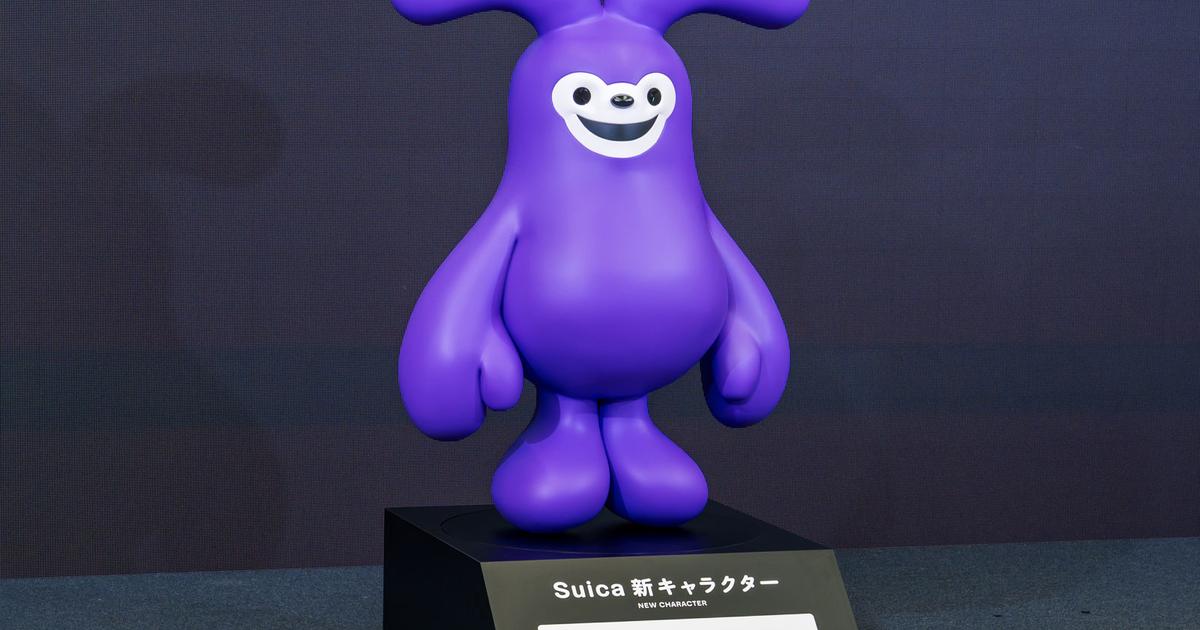
JR East announced on November 18 that a purple rabbit — known during the selection process as "Plan B" — will replace the Suica penguin as the electronic money brand's mascot starting April 1, 2027. The rabbit won a public vote with roughly 860,000 of 1.66 million total ballots cast, capturing about 51.7% of the vote. The character does not yet have a formal name; a public naming campaign runs from November 18 through December 15, with the final name to be revealed at a handover ceremony on March 31, 2027.
Extraction Map
The mascot swap is not sentimental housekeeping. It is the most visible element of JR East's "Suica Renaissance" strategy, which aims to transform Suica from a commuter fare card and small-purchase payment tool into what the company calls a "lifestyle device" — a platform for broader engagement with users and regional communities. JR East president Yoichi Kise said the character change symbolizes Suica entering a "dramatically higher stage." The company wants Suica embedded in daily life well beyond train gates and convenience store registers. The selection process was designed to generate public investment in the outcome. JR East's committee commissioned original designs from young creators recommended by selection panelists, narrowed the field to three candidates, and put the final choice to a popular vote. Committee chair Kundo Koyama, the screenwriter and media producer, analyzed Plan B's victory as a function of the character's "margin" — a quality of incompleteness that invites fan art and secondary creation. Illustrator Hiroaki Seto, the rabbit's designer, noted that fan communities had already begun producing derivative artwork on social media before the official announcement. The penguin, designed by illustrator and picture-book author Chiharu Sakazaki, has been Suica's face since the card's 2001 launch. JR East executive officer Koichi Takagi indicated the penguin will return to Sakazaki's custody and "continue in a different form" outside the Suica brand. No collaboration between the old and new mascots is currently planned. The two unsuccessful candidates — a squirrel (Plan A) and an orange character holding a mole (Plan C) — will not be discarded; Kise said JR East is exploring roles for them within other business activities. Practical rollout details remain sparse. No new Suica card featuring the rabbit is planned at launch; cards issued from April 1 will be plain. Mobile Suica screen updates are under review with no fixed timeline. JR East's corporate color stays green; how the rabbit's purple will be integrated into branding is still being determined. The vote tallies and rankings for Plans A and C were not disclosed. The strategic logic is clear: Suica's installed base and transaction volume make it one of Japan's most ubiquitous contactless payment platforms, but its brand identity is tightly bound to rail commuting. A fresh mascot designed for participatory engagement — memes, fan art, secondary content — signals that JR East wants Suica to feel like a consumer brand, not a transit utility. The risk is that swapping a beloved 25-year-old icon for a committee-selected replacement generates backlash rather than excitement, and that the "Suica Renaissance" platform strategy remains vague beyond the mascot. The deeper question is whether a mascot change can carry the weight JR East is placing on it. Rebranding a payment platform through character IP is a distinctly Japanese corporate strategy — think of how Line's characters or Docomo's branding exercises function as engagement surfaces. But a mascot is a symptom of brand position, not a cause of it. If Suica Renaissance delivers new services, partnerships, and use cases, the rabbit becomes their face. If it doesn't, JR East will have traded a beloved penguin for a purple rabbit and a naming contest.
Worth reading?
OPTIONAL
Score
48
/100
Mildly extractive — this is primarily a marketing and brand-management exercise that redistributes attention rather than creating new capability; generative potential depends entirely on whether the underlying Suica Renaissance platform strategy delivers real new services.
What Is GRIN?
GRIN stands for Generativity, Resilience, Innovation efficiency, and Novelty openness. These four dimensions capture the essential characteristics of any memetic intelligence — whether a nation, a corporation, a religion, or a movement.
About GRINGenerativity
2/5
Resilience
2/5
Efficiency
2/5
Novelty
3/5
Extractive
2/5
Inverted
Does this create new capability or just redistribute existing value?
No new capability announced. A mascot swap and naming contest are engagement tools, not infrastructure. Generative only if Suica Renaissance delivers real services behind the rebrand.
Verified Facts (11)
Total votes: 1,664,399; Plan B received approximately 860,152 votes (about 51.7%)
New character takes over April 1, 2027; handover ceremony March 31, 2027
Name solicitation runs November 18 15:00 to December 15 15:59
No new character Suica card planned at launch; plain cards from April 1
Penguin designer: illustrator and picture-book author Chiharu Sakazaki
Plan B designer: illustrator Hiroaki Seto
Selection committee chair: screenwriter Kundo Koyama
JR East president: Yoichi Kise; executive officer: Koichi Takagi
JR East corporate color (green) will not change
Plan A was a squirrel; Plan C was an orange character holding a mole
No collaboration between penguin and new character is currently planned
More latest news
Read all