IPO VALUATION
~$1.4T
BOLAND @ FB
11 yrs
FB IPO PARALLEL
2012
ANTHROPIC IPO
Nov '26
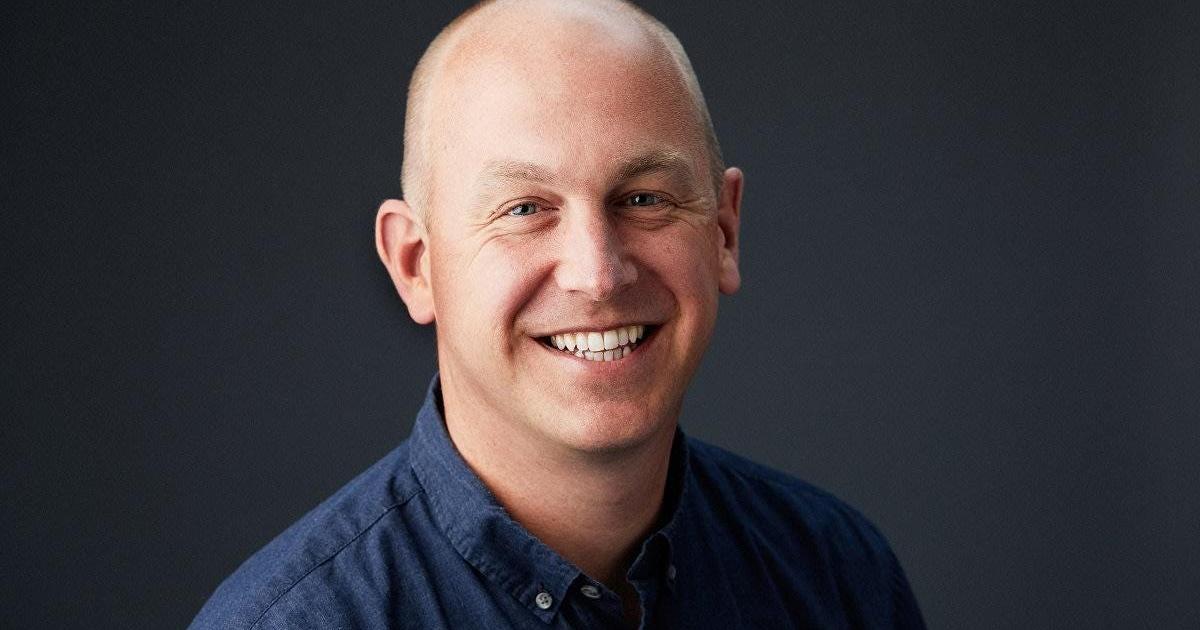
Brian Boland spent eleven years inside Facebook, including through its 2012 IPO and the slow gravitational collapse of its stated mission under public-market pressure. He watched Zuckerberg pivot from 'connecting the world' to mandating revenue targets for every team with a surface area. Now he sees the same machinery warming up at Anthropic, and he is saying plainly: this company is not ready to go public.
Extraction Map
The structural argument is simple and historically grounded. Pre-IPO, Facebook believed its culture was strong enough to survive the transition. It was not. Stock-based compensation made share price operationally central within months. Hiring, acquisitions, and internal goal-setting all reoriented around the number. Revenue targets replaced mission metrics. Safety teams became obstacles to growth. The company told itself the mission justified the revenue chase, not the other way around. Boland's concern with Anthropic is that the same dynamic will play out in a domain where the consequences are orders of magnitude larger. Anthropic's own S-1 filing contains, by Boland's account, an unprecedented volume of product-risk disclosure. CEO Dario Amodei has publicly stated that slowing development by even a year would yield meaningfully safer products. Yet the company is pressing ahead with a November IPO at a reported valuation around $1.4 trillion (approximately ¥217 trillion). The specific red flags Boland identifies: unaudited financials that make it difficult for the market to price the company fairly, unresolved safety protocols, opaque cyclical AI investment dynamics, and a balance-sheet debt load that lacks clear forward visibility. He frames these not as reasons to never go public, but as reasons to delay until each is resolved. The ask, in his telling, is basic corporate hygiene applied to an unusually dangerous product category. The Facebook parallel is instructive precisely because Facebook had a comparatively simple failure mode — optimizing engagement over user wellbeing. Anthropic's failure mode involves frontier AI systems whose risk profile the company itself admits it cannot fully characterize. If public-market incentives overwhelmed Facebook's safety investment when the downside was misinformation and mental health harm, the question is what happens when the same incentives hit an organization whose downside scenarios include catastrophic AI misalignment. Boland is careful to note he is not anti-AI and considers Anthropic the best-positioned safety-focused lab. His argument is narrowly about timing and market structure: index-fund inclusion creates a social obligation to meet basic standards of financial transparency and risk manageability. If Anthropic cannot yet be insured against its own product risks, it should not yet be in portfolios that pension funds and retail investors hold by default. The deeper pattern here is Silicon Valley's reliable sequence: mission → scale → IPO → revenue pressure → mission erosion. Boland lived through it and is trying to flag the moment before the ratchet clicks. Whether Anthropic's governance structure — reportedly including a trust mechanism to protect long-term mission alignment — can survive contact with quarterly earnings calls is the question the market has not yet been forced to answer.
Worth reading?
SKIP
Score
24
/100
Extractive. An IPO at this stage transfers risk from private investors and insiders to public markets and index-fund holders, while the revenue pressure it creates will predictably redirect resources from safety to growth — extracting future resilience to pay for present liquidity.
What Is GRIN?
GRIN stands for Generativity, Resilience, Innovation efficiency, and Novelty openness. These four dimensions capture the essential characteristics of any memetic intelligence — whether a nation, a corporation, a religion, or a movement.
About GRINGenerativity
1/5
Resilience
1/5
Efficiency
1/5
Novelty
2/5
Extractive
4/5
Inverted
Does this create new capability or just redistribute existing value?
Net negative. IPO converts safety-oriented R&D bandwidth into quarterly revenue targets. No new capability is created by the listing itself — it finances a growth treadmill that Boland argues will cannibalize the generative work.
Verified Facts (9)
Brian Boland served as Facebook VP and was employed there for 11 years, including during the 2012 IPO.
Boland left Facebook in 2020.
General Motors' CMO publicly pulled all Facebook advertising spend shortly before the 2012 IPO.
Mark Zuckerberg mandated revenue targets for every team with a 'surface' (display area) post-IPO.
Anthropic's S-1 filing contains extensive product-risk disclosure, described by Boland as unprecedented.
Dario Amodei has stated that slowing AI development by even one year would allow construction of significantly safer products.
Anthropic's IPO is planned for November 2026.
Anthropic's reported valuation is approximately ¥217 trillion (~$1.4 trillion).
Meta declined to comment; Anthropic did not respond to Business Insider's request for comment.
More latest news
Read all