TOTAL ANNUAL INCOME
$90K
TOKYO RENT / MONTH
$840
MAX MONTHLY SAVINGS
$3,500
WRIST SURGERY COST
$300
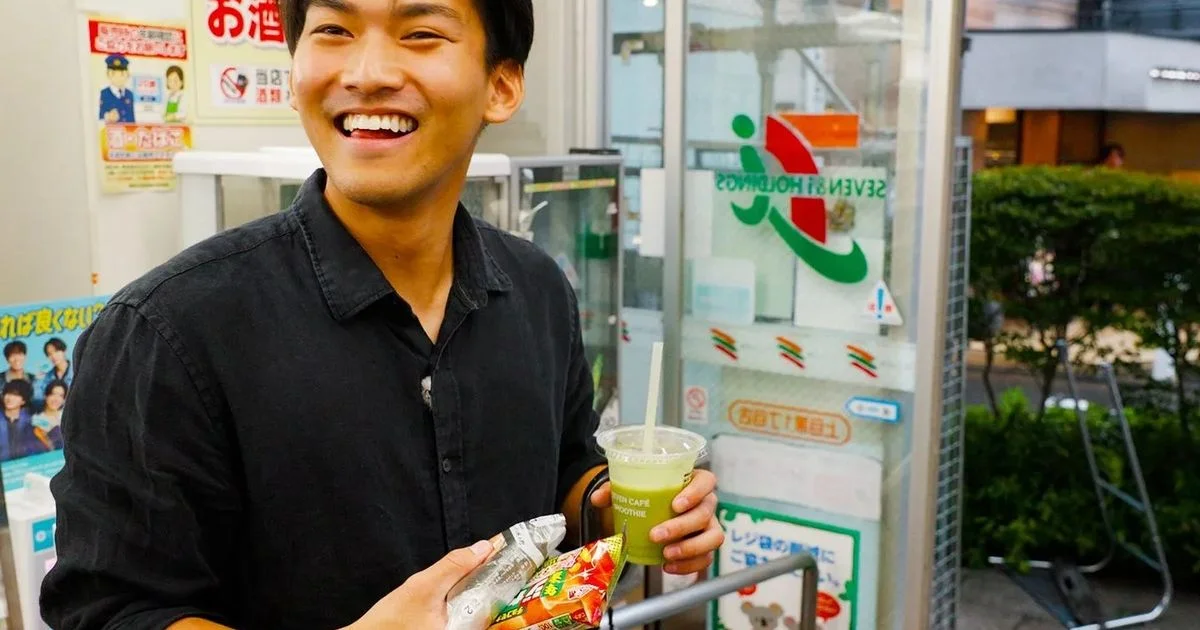
Kaito Itokazu, a 25-year-old software engineer who moved from Los Angeles to Tokyo three years ago, earns approximately $90,000 annually — $60,000 from his salaried position and $30,000 from freelance work building websites, web apps, AI integrations, and teaching kids to code. By US tech standards, that figure draws concern from American friends. By Japanese standards, it's enviable for his age.
Extraction Map
The gap between those two reactions is the entire story. Itokazu pays $840/month in rent for a Tokyo apartment, $57 for all utilities, and $970 total for housing, utilities, and streaming combined. His grocery bill is $130/month — less than his $250 dining-out budget, a ratio he admits is lopsided but defensible given Tokyo's food culture. Monthly transport for leisure runs $120, with commuting costs reimbursed by his employer. The savings math is striking. Itokazu banks $1,500 to $3,500 per month, allocating 30% to investments, 30% to an emergency fund, and the remainder back into his side business. He has already paid off his student loans from Chapman University, aided by scholarships and internship income. His health insurance costs $212/month via employer deduction, and when he broke his wrist, same-day hospital care including X-rays and scans cost roughly $300 after 70% insurance reimbursement. Japan's cost structure makes this possible. A round-trip flight to Busan, South Korea cost $200. Visiting grandparents in Kagawa cost $120 round-trip. A trip to Mount Fuji ran $31. His total travel budget averages $470/month, covering domestic, Asian, and occasional US trips. These are numbers that would be fantasy line items for a similarly-paid engineer in Los Angeles paying $2,500+ in rent alone. The tradeoffs are real but specific. Japanese salaries are structurally lower — Itokazu's $60K base would likely be $120K-$180K at a comparable US tech employer. Japan's residence tax kicks in after one year at a flat 10% of prior-year salary. The non-refundable move-in deposit cost $2,000, and mandatory professional movers added $500. Side-hustle income partly offsets the salary gap but introduces its own instability. Itokazu annually reassesses whether returning to the US would create better opportunities for career growth, networking, and income — and each year concludes it would not. Three years in, he describes Japan as shifting from temporary residence to second home. The financial picture supports that: he is building savings, investing, running a business, traveling extensively, and carrying zero debt at 25. The broader signal here is not that Japan is cheap — it is that the US cost-of-living structure, particularly in California, has become so extractive that a 50%+ salary cut can still produce better financial outcomes for a disciplined earner. The arbitrage is not really geographic. It is structural.
Worth reading?
RECOMMENDED
Score
60
/100
Mildly generative at the individual level — Itokazu builds savings, invests, and runs a side business — but structurally neutral. This is cost arbitrage, not value creation. The pattern works because US housing and healthcare costs are extractive, not because Japan's economy rewards him more.
What Is GRIN?
GRIN stands for Generativity, Resilience, Innovation efficiency, and Novelty openness. These four dimensions capture the essential characteristics of any memetic intelligence — whether a nation, a corporation, a religion, or a movement.
About GRINGenerativity
2/5
Resilience
3/5
Efficiency
4/5
Novelty
2/5
Extractive
1/5
Inverted
Does this create new capability or just redistribute existing value?
Individual wealth-building through arbitrage, not new capability. Side hustle (AI integration, web dev, teaching) adds modest generative output, but the core story is exploiting a cost gap.
Verified Facts (17)
Kaito Itokazu, 25 years old, software engineer, moved from LA to Tokyo three years ago
Annual salary approximately $60,000; side gig income approximately $30,000; total approximately $90,000
Base rent in Tokyo approximately $840/month
Monthly savings range: $1,500 to $3,500
Non-refundable move-in deposit: $2,000; mandatory movers: $500
Monthly utilities (gas, water, electric): approximately $57
AI tools spending: approximately $250/month
Total housing/utilities/streaming: approximately $970/month
Monthly transport for leisure: $120
Groceries: $130/month; dining out: $250/month; cafes: $70; convenience stores: $70
Health insurance employer deduction: $212/month
Broken wrist surgery total cost approximately $300 after 70% insurance reimbursement
Residence tax: approximately 10% of prior-year salary, begins after one year
Round-trip to Busan: $200; Kagawa: $120; Mount Fuji trip: $31
Average monthly travel spending: $470
Attended Chapman University; paid off student loans
Savings allocation: 30% investments, 30% emergency fund, remainder into side business
More latest news
Read all