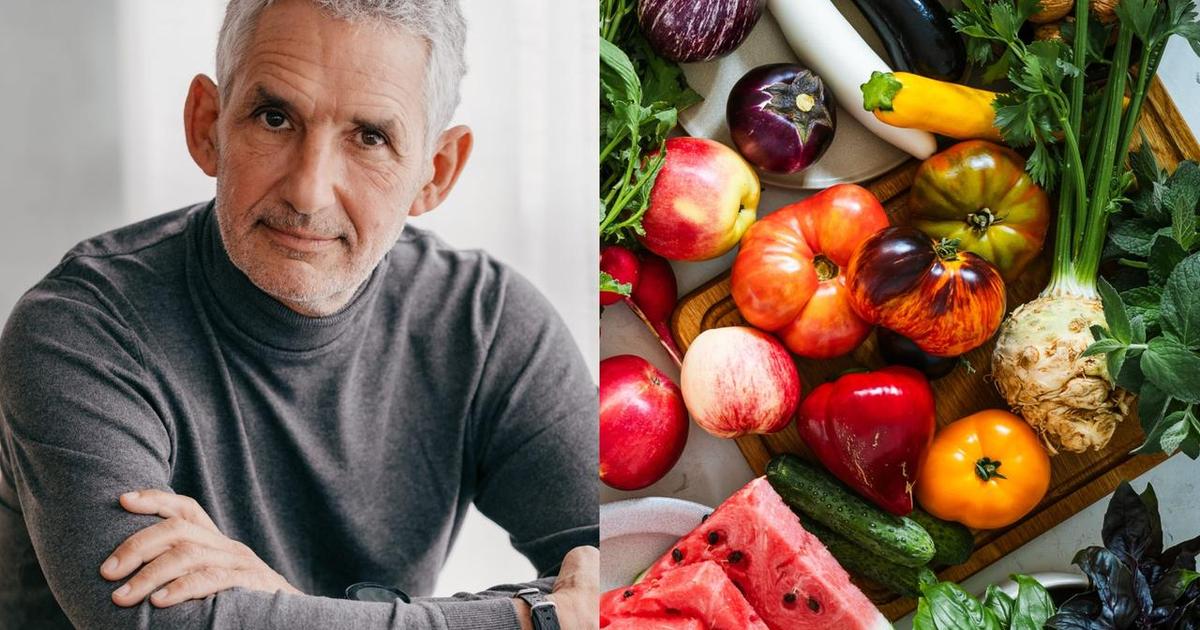
Tim Spector is an epidemiologist, nutritionist, and co-founder of the nutrition-science company Zoe. In 2012, at 53, he suffered a minor stroke while skiing and subsequently learned he had high blood pressure. The average stroke age in the UK is 74, so he was two decades early. His response wasn't dramatic — it was two unglamorous dietary adjustments that say more about nutritional nuance than any headline diet plan. The first move: rather than eliminating salt, Spector switched to potassium-based salt substitutes. This matters because Spector has salt-insensitive hypertension — meaning sodium intake doesn't significantly move his blood pressure. For him, bland low-salt food was suffering without benefit. Potassium, recommended by the WHO for hypertension reduction, works by promoting sodium excretion and relaxing blood vessel walls. The American Heart Association confirms the sodium-potassium interplay is real and bidirectional. The second move: eating more fruits and vegetables. Spector already avoided ultra-processed foods, so this was an intensification rather than an overhaul. A 2023 review in the European Journal of Nutrition linked higher fruit and vegetable intake with lower hypertension risk, though researchers note the mechanism could be potassium content, obesity risk reduction, or both. The British Heart Foundation specifically recommends nitrate-rich produce — beets, spinach, kale, strawberries, bananas. What's instructive here is what Spector didn't do. He didn't adopt a punishing restriction regime. He didn't panic-buy supplements. He made two targeted changes rooted in his own physiology — specifically, knowing he was salt-insensitive — and leaned on established nutritional science rather than wellness trends. The DASH diet (Dietary Approaches to Stop Hypertension) recommended by the AHA for stroke risk reduction aligns with his approach: heavy on fruits, vegetables, whole grains, lean protein; light on fat, sugar, and red meat. The broader context is that stroke is no longer an old-person problem. CDC data shows the stroke rate among Americans aged 18-44 increased 14.6% between 2011-2013 and 2020-2022. The AHA notes that most stroke patients have high blood pressure — it's the leading risk factor. Spector's story is a case study in catching it before the next event, not after. The honest limitation of this piece: it's one person's anecdote, filtered through a Business Insider lifestyle frame. Spector is credentialed and his choices are backed by published research, but the article doesn't engage with dosage, the actual blood pressure numbers before and after, or how long the changes took to show results. It's a nudge toward better habits, not a clinical protocol. For readers already eating well and curious about potassium substitutes, it's a useful data point. For anyone with hypertension, it's a conversation-starter with your doctor, not a treatment plan.
Worth reading?
OPTIONAL
Score
28
/100
Readers over 40 with a family history of hypertension who eat well but haven't thought about potassium substitutes specifically. Skip if you already know what DASH diet is.
Cultural Placement
Like a Michael Pollan column distilled to its smallest possible unit — one person, two changes, no grand theory. Sits in the tradition of the first-person-expert-health-pivot genre pioneered by Atul Gawande's personal medical essays and now standard in outlets like the Atlantic and Business Insider. More restrained than most entries in the form: no supplement stack, no before-and-after transformation narrative, no product pitch beyond existing food. The Japanese translation adds a layer of editorial curation aimed at an audience that takes dietary advice from credentialed scientists more seriously than from influencers.
Honest assessment
A clean, inoffensive piece of health journalism that delivers two specific, evidence-backed tips through one expert's personal story. It won't change anyone's life, but the potassium-substitute detail is genuinely useful for people who've been told to cut salt and found it miserable. The article's biggest weakness is what it doesn't include: actual blood pressure numbers, timeline, dosage.
What Is NOVEL?
28
/ 100
BedrockNews applies a structured analytical framework called NOVEL to cultural works — games, books, film, music, and more.
How NOVEL worksNerve
1/5
Originality
1/5
Voice
2/5
Endurance
1/5
Lineage
2/5
What did the artist risk? What could have failed?
Zero risk taken. Expert recounts safe, well-established dietary advice through the lens of personal experience. No controversial claims, no challenge to orthodoxy beyond the mild salt-insensitivity wrinkle.
Verified Facts (8)
Tim Spector suffered a minor stroke in 2012 at age 53 while skiing
Average stroke age in the UK is 74, per a 2021 study in the journal Stroke
CDC data: stroke rate among 18-44 year-olds increased 14.6% between 2011-2013 and 2020-2022
WHO recommends potassium for hypertension reduction
2023 review in European Journal of Nutrition linked fruit and vegetable intake with lower hypertension risk
British Heart Foundation recommends nitrate-rich produce: beets, spinach, kale, strawberries, bananas
Spector is co-founder of nutrition-science company Zoe
Spector reports having salt-insensitive hypertension
More latest news
Read all