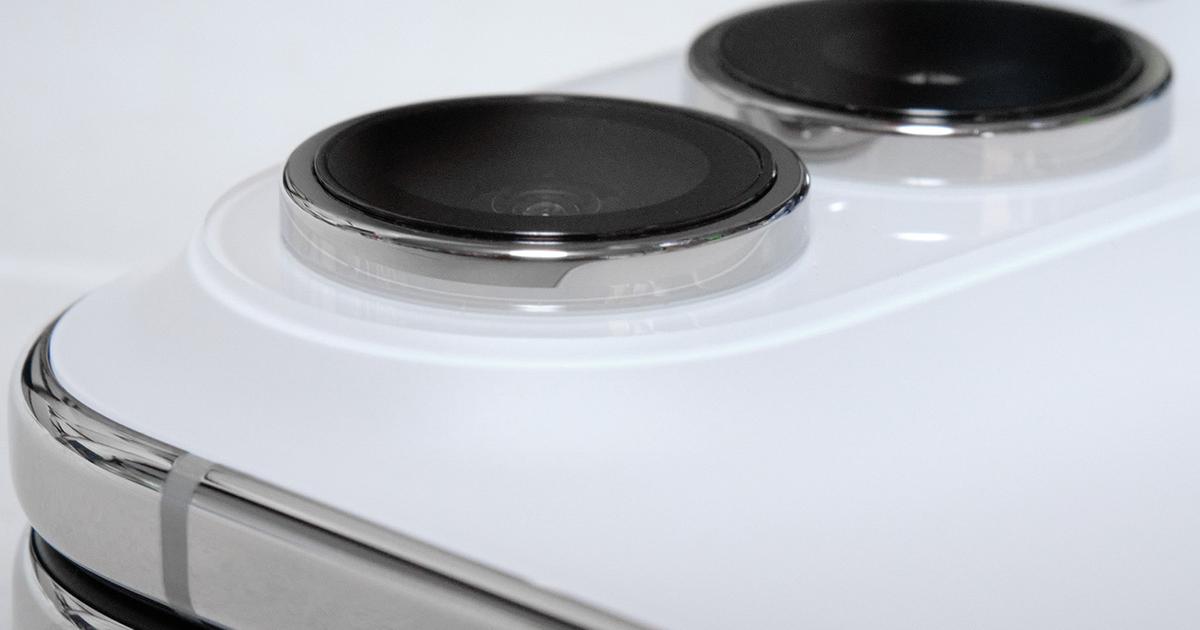
Here is the core tension of the iPhone Duo camera review, stated plainly: the photos are fine, maybe even good in their restraint, but the device sabotages the act of photography itself. Writer and photographer Yuki Hayashi spent weeks shooting daily life and an Aizu trip with Apple's first foldable iPhone, and his verdict splits cleanly in two. The images are there. The desire to make them is not. The Duo's dual-camera system — wide and ultrawide, no telephoto, digital zoom to 10x (mostly useless) — produces what Hayashi calls "subdued" output compared to the iPhone 17 Pro Max and iPhone 18 Pro. This is a compliment. Where recent Pro models push aggressive computational photography, the Duo delivers quieter, less processed results. Food looks like food. Autumn leaves look like autumn leaves. Night mode breaks this restraint and reverts to Pro-style brightening, but in daylight, the Duo's images have an appealing plainness that feels closer to what your eyes actually saw. But Hayashi keeps reaching for the word "uncomfortable." The foldable form factor disrupts a decade of muscle memory built on slab-shaped phones. Picking up the device, unfolding or not unfolding, finding the grip, reaching the shutter — every step that was unconscious on a traditional iPhone now requires conscious decision-making. The preview frame doesn't match the recorded frame (objects appear at the edges that weren't visible in the viewfinder). The ergonomics of holding a folded device to shoot are unresolved. Hayashi, a working photographer, found himself simply not bothering to take pictures he would have taken on any previous iPhone. The large inner display earns its keep in post-production and sharing, not shooting. Hayashi developed a workflow using the matte anti-glare inner screen for base edits and the glossy outer screen for checking how images look with contrast — just close the phone. Showing photos and maps to travel companions on the unfolded display was the clearest win. But these are consumption and editing advantages, not creation advantages. At ¥364,800 ($2,400+ USD), the Duo sits at a price point where it competes not just with other phones but with actual camera kits. Hayashi's telling admission: he started shopping for compact digital cameras that match the Duo's closed dimensions. When a device designed to consolidate your gear actively sends you looking for a separate camera, something fundamental about the shooting experience has gone wrong. The review never frames this as a defect — it's more an honest reckoning with the cost of a new form factor that hasn't yet earned the photographer's trust. The practical advice is specific and useful: if you shoot mostly wide and ultrawide for daily documentation and travel, the Duo delivers. If you rely on telephoto, check your photo library before buying. If shooting is something you do for pleasure, not just record-keeping, go to a store and try holding the closed Duo in shooting position before committing ¥364,800. The camera is competent. The question is whether you'll ever want to use it.
Worth reading?
RECOMMENDED
Score
52
/100
Photographers or serious hobbyists considering the iPhone Duo who want an honest field report on what it's like to actually shoot with a foldable, not just pixel-peep sample images.
Cultural Placement
Like a Wirecutter deep-dive crossed with Craig Mod's walking-and-photography essays, but operating within the constraints of a Japanese business outlet's review format. The mechanism is familiar from automotive journalism: test the thing in real conditions, discover the spec sheet doesn't predict the experience, and report the gap honestly. Hayashi's approach shares DNA with Ken Rockwell's contrarian camera reviews — lead with subjective shooting feel, not MTF charts — but with less provocation and more Japanese editorial restraint. The closest predecessor in phone-camera criticism is Joanna Stern's WSJ video reviews, where the reviewer's lived friction with the device IS the review.
Honest assessment
A solid, experience-first camera review that surfaces a genuinely interesting tension: good output, bad shooting ergonomics. It won't change how you think about photography criticism, but it will save the right reader from a ¥364,800 mistake — or confirm the purchase for someone whose use case aligns with the Duo's strengths in editing and sharing rather than shooting.
What Is NOVEL?
52
/ 100
BedrockNews applies a structured analytical framework called NOVEL to cultural works — games, books, film, music, and more.
How NOVEL worksNerve
2/5
Originality
3/5
Voice
3/5
Endurance
2/5
Lineage
3/5
What did the artist risk? What could have failed?
Modest risk within a safe format. Admitting a ¥364,800 Apple product makes you not want to shoot is commercially uncomfortable for a tech outlet, but the review hedges with enough praise to stay safe.
Verified Facts (8)
iPhone Duo直販価格:36万4800円(税込)〜
発売時期:2026年10月
2眼スタイルで、広角カメラと超広角カメラが搭載
デジタルズームは最大10倍まで
マクロモードにしなくても、12~13cmほどまで寄れる
プレビューの範囲は記録される範囲より少し狭い
Galaxy Z Fold8のときはFUJIFILM X-E5とセットで運用
スターホワイトカラー
More latest news
Read all