PROPERTIES OWNED
12
MONTHLY CASH FLOW
$10K
FIRST DOWN PAYMENT · AGE 23
$100K
GRANDFATHER'S PROPERTY SALE
$3.6M
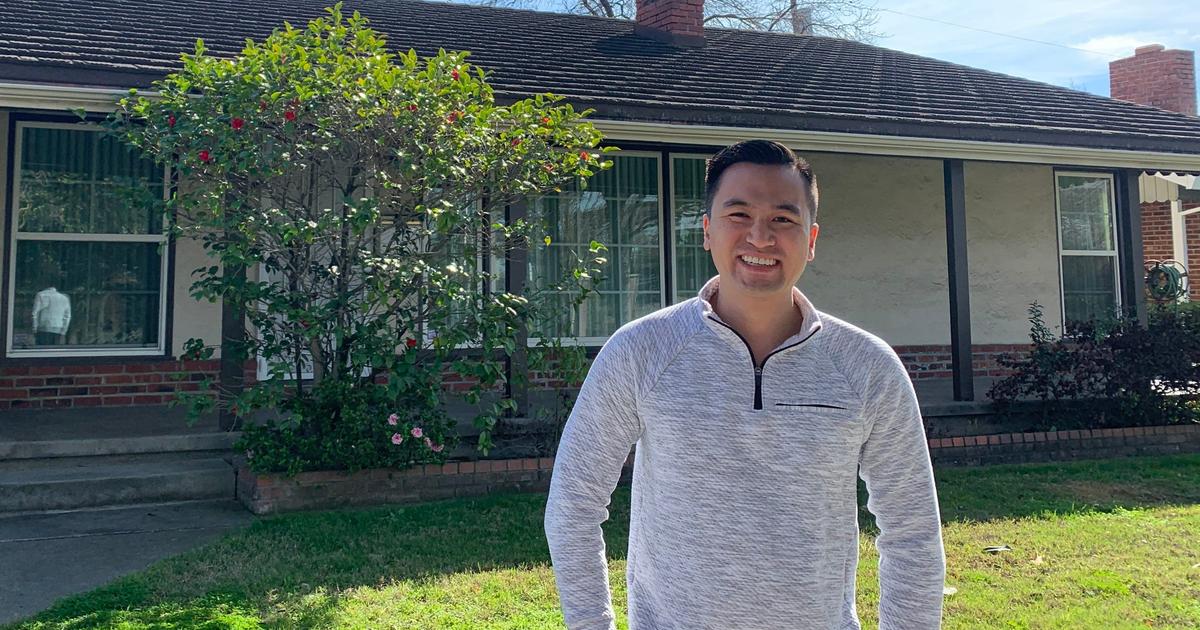
Ryan Chaw, 34, bought his first rental property at 23 in Stockton, California, for $262,000 — putting down $100,000 in cash, a sum most 23-year-olds do not possess. He rented rooms to University of the Pacific students at $630-$720/month per bedroom, eventually scaling to 12 properties across California and Ohio. In 2023, after eight years of accumulation, he quit his pharmacist job, citing roughly $10,000/month in rental cash flow as a sufficient replacement for his professional salary.
Extraction Map
The structural advantages are worth cataloging because the article does not. Chaw's grandfather owned multiple San Francisco Bay Area apartment buildings purchased in the 1950s, which sold for approximately $3.6 million after decades of appreciation. His parents covered his living expenses for the first five years of his investment career — zero rent, zero housing cost — while he earned a pharmacist's salary and plowed every surplus dollar into real estate. The $100,000 down payment at age 23 came from somewhere the article does not examine. Chaw's strategy — buying near a university and renting by the room — is a known arbitrage that works in specific conditions: a captive student population with limited housing options, properties cheap enough relative to professional income, and favorable local regulation. His first Stockton property, purchased for $262,000, later sold for $437,500. His Ohio acquisitions, including a duplex generating $4,000/month purchased for $367,000, reflect a geographic arbitrage toward lower-cost markets with higher cap rates. The article frames this as 'working smarter, not harder,' but the mechanism is leverage amplified by generational wealth. Chaw explicitly cites his grandfather's real estate success as inspiration and acknowledges parental financial support. The 'Rich Dad Poor Dad' philosophy is invoked as intellectual framework, but the operative ingredient was inherited advantage compounding through a favorable interest rate and appreciation environment from 2015-2023. What the piece never addresses: who bears the cost. Room-by-room student rentals extract maximum revenue from a population with minimal bargaining power and no long-term housing alternative. Each property Chaw acquires removes one potential owner-occupied home from the market. His stated goal of 100 properties would, if replicated by thousands of similarly inspired readers, accelerate the very housing affordability crisis that makes stories like his appealing. The article functions as aspirational content designed to generate clicks within Business Insider's FIRE/passive-income content vertical. It is not journalism about housing economics — it is a first-person narrative that implicitly promises replicability while omitting every variable that makes replication unlikely for readers without six-figure savings, parental housing subsidies, and generational real estate wealth. Chaw still holds his pharmacist license and hasn't returned to work since 2023. He frames this as 'freedom of choice.' The more precise description: rentier income derived from leveraged housing assets, backstopped by family wealth accumulated over three generations of Bay Area real estate appreciation.
Worth reading?
SKIP
Score
28
/100
Extractive. The entire model redistributes housing costs upward from tenants to a landlord whose starting capital derived from generational property wealth. No new housing is created; existing stock is converted to maximum-extraction rental units.
What Is GRIN?
GRIN stands for Generativity, Resilience, Innovation efficiency, and Novelty openness. These four dimensions capture the essential characteristics of any memetic intelligence — whether a nation, a corporation, a religion, or a movement.
About GRINGenerativity
1/5
Resilience
2/5
Efficiency
2/5
Novelty
1/5
Extractive
4/5
Inverted
Does this create new capability or just redistribute existing value?
Zero new housing created. The model converts owner-occupiable homes into room-rental extraction units, redistributing existing value from tenants to landlord without expanding supply.
Verified Facts (10)
Ryan Chaw purchased his first property in Stockton, CA at age 23 for $262,000 with a $100,000 down payment
Grandfather's San Francisco Bay Area apartment buildings sold for approximately $3.6 million
Chaw lived rent-free with parents for the first five years of his investing career
Room rents ranged from approximately $630 to $720 per month
Monthly mortgage was approximately $2,000; 10-year loan paid off in 5 years
First property sold for $437,500
Ohio duplex generating $4,000/month purchased for $367,000
Current portfolio: 4 in Stockton, 1 in Sacramento, 7 in Ohio (12 total)
Quit pharmacist job in August 2023 after reaching approximately $10,000/month in rental income
Goal is to eventually own 100 properties
More latest news
Read all