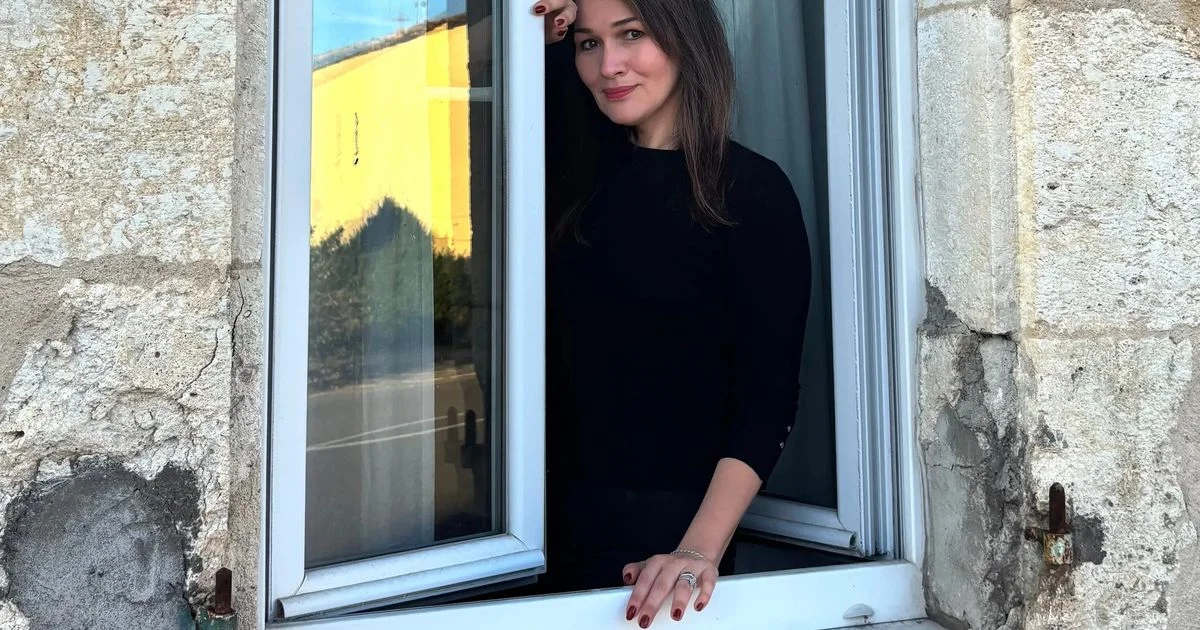
Paola Westbeek's story follows a familiar arc — the expat who builds a life in one country, then dismantles it for another — but the timing is what makes it interesting. She wasn't 19 anymore. She was pushing 50, with a Dutch passport, a career, a four-bedroom house in Almere, and nearly three decades of accumulated belonging. The first move, from New Jersey to the Netherlands in 1997, was the kind of reckless gamble young people make without calling it a gamble. This second one was deliberate, eyes-open, and took years of false starts to execute. The essay is structured around two emotional poles: the 2009 discovery of Duras, a village in France's Lot-et-Garonne department ringed by vineyards and sunflower fields, and the 2022-2026 period of wanting-but-not-doing. Westbeek is honest about the paralysis. She and her husband looked at properties repeatedly, fell in love with a stone manor house they couldn't afford to renovate, and retreated to the Netherlands each time fear won. The detail about the kitchen — that the house they finally bought reminded her of the Dutch kitchen she couldn't let go of — is the essay's sharpest moment, a small admission that we carry our old lives into our new ones whether we mean to or not. What the piece doesn't do is reckon with the economics. The Netherlands-to-rural-France move is a well-known arbitrage in European real estate: sell a four-bedroom in Almere (median prices around €350,000-€400,000), buy a stone house in Lot-et-Garonne for a fraction. Westbeek's house sold in seven days, which tells you everything about the Dutch housing market in 2026. The financial mechanics that make this dream possible for a remote-working magazine editor are not available to most people, and the essay glides past that without acknowledgment. The writing is competent personal-essay craft — present-tense scene-setting, emotional beats at paragraph breaks, a closing lesson about it never being too late. It reads like what it is: a first-person Business Insider lifestyle piece, polished and warm but not reaching for anything structurally ambitious. The cultural-shock material from the 1997 Netherlands move is more vivid than the France material, perhaps because it's had 29 years to crystallize. Where the essay lands is in the genre of midlife-reinvention testimonials that Business Insider publishes regularly — the "I quit my job and moved to Portugal / Bali / a French village" template. Westbeek's version is better than most because she's lived through this pattern twice and has the self-awareness to compare the two experiences. The 19-year-old who was "young, free, and fearless" versus the 48-year-old who spent three years browsing real estate listings before acting — that contrast is the real story, even if the essay doesn't push hard enough on what it means. The piece ends where these pieces always end: with gratitude, morning light, local wine, and the lesson that it's never too late. It's a satisfying read for its audience. It is not trying to be anything more than that.
Worth reading?
OPTIONAL
Score
28
/100
Readers who enjoy aspirational midlife-reinvention stories and are specifically considering a move from northern Europe to rural France. If you've read three of these already, this won't give you anything new.
Cultural Placement
Like Frances Mayes' 'Under the Tuscan Sun' filtered through the shorter, more transactional form of a Business Insider first-person essay — the same sun-dappled relocation fantasy but without the book-length room to develop ambiguity or regret. Closer in mechanism to the 'I moved abroad' essay template that dominates lifestyle publishing (Insider, HuffPost Personal, Guardian Weekend) than to literary memoir. The emotional register is Eat Pray Love's earnest self-discovery, compressed to 1,500 words and stripped of the spiritual apparatus.
Honest assessment
A warm, competently executed personal essay that delivers exactly what the midlife-relocation template promises — vicarious courage and the reassurance that it's never too late. It doesn't interrogate the financial privilege that enables the move or push past the genre's comfort zone. Fine for its audience, invisible to everyone else.
What Is NOVEL?
28
/ 100
BedrockNews applies a structured analytical framework called NOVEL to cultural works — games, books, film, music, and more.
How NOVEL worksNerve
1/5
Originality
1/5
Voice
2/5
Endurance
1/5
Lineage
2/5
What did the artist risk? What could have failed?
Almost nothing risked. The essay follows the midlife-relocation template beat for beat — discovery, hesitation, leap, gratitude. No structural experimentation, no uncomfortable admissions that might alienate the aspirational reader.
Verified Facts (10)
Author moved to the Netherlands in October 1997 at age 19
Studied journalism at a local Dutch university starting May 1998
Became a Dutch citizen by 2008
Bought a four-bedroom house in Almere
First visited Duras in 2009 with husband and 9-year-old daughter
Found a remote editorial job in 2011
Began seriously considering the move in 2022
Dutch house sold in seven days in spring 2026
Moved to Duras, France in September 2026
Duras castle dates from the 12th century
More latest news
Read all