DAYS OUT
11
INTEL STAKE · 2025
10%
PHONE CALL
1
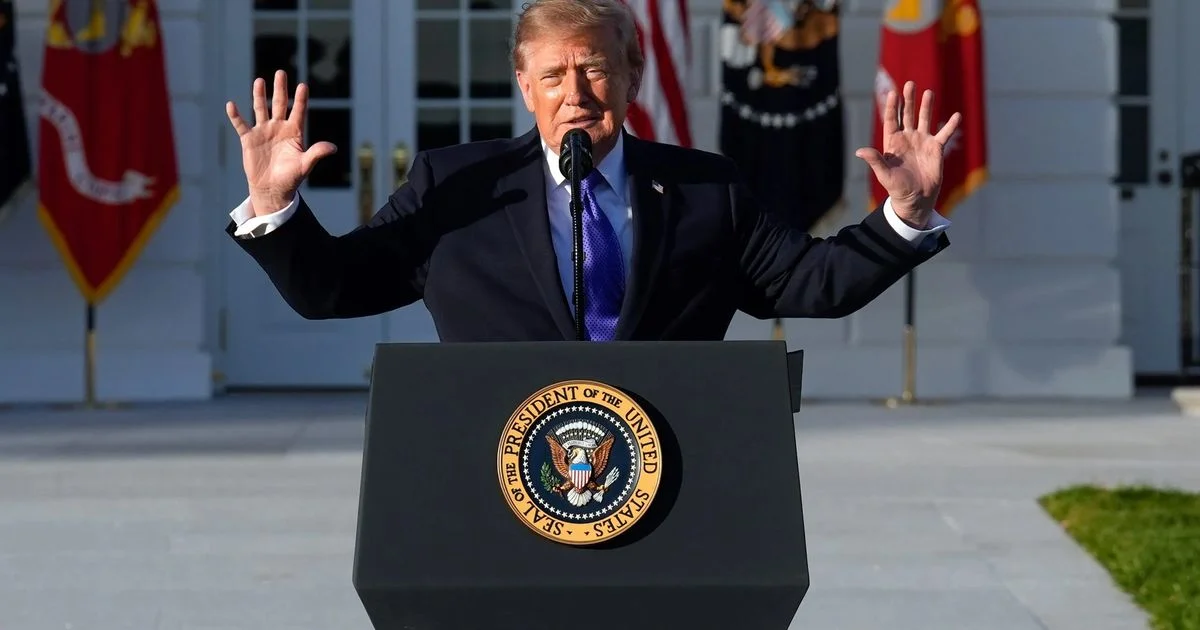
Donald Trump told CNBC on Monday that he personally called Nvidia's board to push for Jensen Huang's reinstatement as CEO. 'I spoke to them, let's put it that way,' Trump said. 'If they went against, I think it would have been a disaster.' The board obliged, issuing a statement that specifically credited input from 'senior U.S. government officials' in its decision to bring Huang back.
Extraction Map
This reversal is jarring on its own terms. Less than a week earlier, Nvidia's board had publicly stated it would not rehire Huang, who resigned after acknowledging 'personal conduct inconsistent with the company's code of conduct' — a reference to reported extramarital affairs involving both a Chinese national and Nvidia employees. The board's about-face effectively signals that presidential pressure overrides internal governance standards. The episode did not emerge from a vacuum. An internal White House debate preceded it. Treasury Secretary Bessent and China hawks initially favored keeping Huang out, while David Sacks — a former official AI advisor who remains influential inside the White House — advocated for Huang's return. Trump initially struck a middle path, saying he 'wouldn't mind' if Huang came back. By Sunday, Bessent publicly shifted his position on CBS, and Trump followed with a direct call on Truth Social urging reinstatement. This fits a pattern of direct presidential intervention in individual corporate decisions. In summer 2025, Trump demanded Intel fire CEO Lip-Bu Tan, then pivoted to securing a 10% U.S. government equity stake in Intel. Months earlier, Trump chose not to restrict Nvidia's chip sales to China after dining with Huang at Mar-a-Lago. Each case involves a specific company, a specific executive, and a specific presidential preference. What distinguishes this episode is the nature of the ask. Previous interventions involved trade concessions, equity stakes, or tariff-related compliance — transactional demands with at least some policy rationale. Here, Trump demanded a board reverse a personnel decision on a CEO who left over conduct violations. No tariff revenue, no equity, no policy objective — just the demonstration that presidential preference determines who runs a trillion-dollar company. The timing matters. This occurred days after midterm elections widely interpreted as a rebuke of Trump's governance. Rather than moderating, the administration escalated its posture toward corporate America. The message is structurally clear: electoral outcomes do not constrain executive reach into boardrooms. If you are looking for a mechanism by which private-sector governance reasserts independence from political direction, this episode offers none. Shareholders, independent directors, and institutional investors all had standing to challenge the board's reversal. None did. The pattern is now well-established: the White House requests, and corporate boards comply — publicly, promptly, and with attribution.
Worth reading?
SKIP
Score
16
/100
Extractive. Presidential power is being used not to create new economic capability but to demonstrate control over private institutions, degrading the independence that makes corporate governance functional.
What Is GRIN?
GRIN stands for Generativity, Resilience, Innovation efficiency, and Novelty openness. These four dimensions capture the essential characteristics of any memetic intelligence — whether a nation, a corporation, a religion, or a movement.
About GRINGenerativity
0/5
Resilience
1/5
Efficiency
1/5
Novelty
1/5
Extractive
4/5
Inverted
Does this create new capability or just redistribute existing value?
Zero new capability created. No jobs, no innovation, no market opened. The sole output is a demonstration that presidential preference overrides board-level governance decisions at will.
Verified Facts (8)
Trump told CNBC: 'I spoke to them, let's put it that way. If they went against, I think it would have been a disaster.'
Nvidia board statement cited input from 'senior U.S. government officials' in decision to reinstate Huang.
Huang resigned 11 days before reinstatement after acknowledging 'personal conduct inconsistent with the company's code of conduct.'
In summer 2025, Trump demanded Intel fire CEO Lip-Bu Tan, then pivoted to securing a 10% U.S. government equity stake in Intel.
Trump chose not to restrict Nvidia's chip sales to China after dining with Huang at Mar-a-Lago.
David Sacks previously served as official White House AI advisor and remains influential inside the administration.
Treasury Secretary Bessent told CBS on Sunday that Huang might be the right person to lead Nvidia after all.
Trump publicly called for Huang's reinstatement on Truth Social.
More latest news
Read all