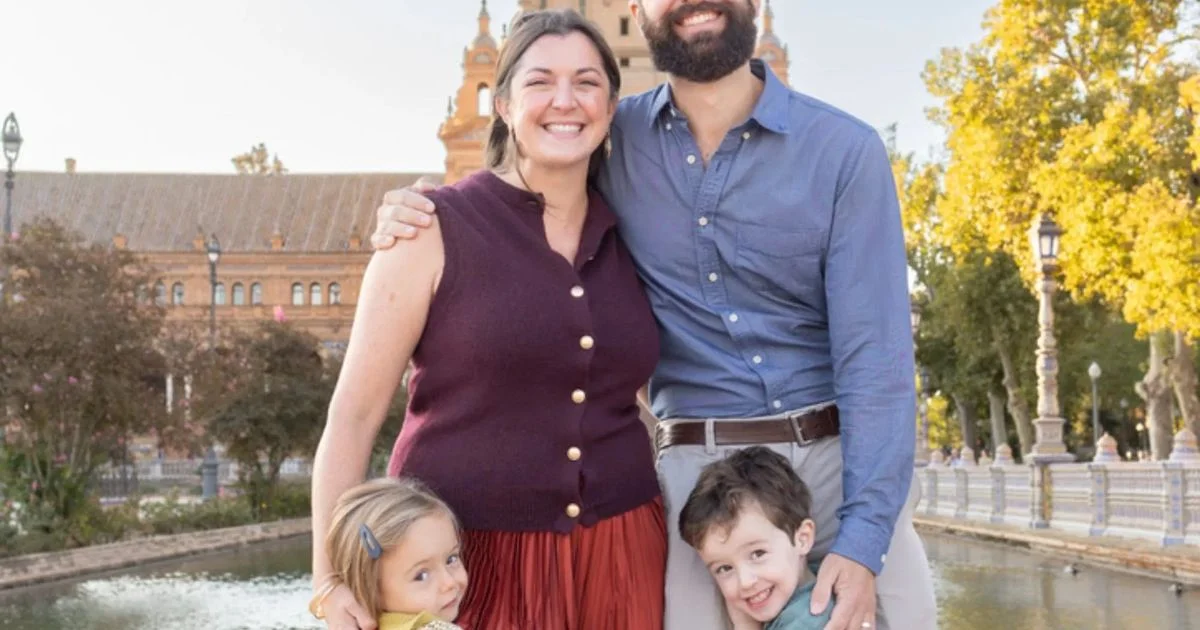
Brian Hodge's account of moving his family of four from the US to Spain at age 40 is a specific genre of expat writing: the competent adult humbled by a grocery store's opening hours. What makes it land is that Hodge doesn't romanticize or complain — he describes the friction of cultural adaptation with the bewildered good humor of someone who knows the joke is on him. The practical details are vivid and useful. Restaurants open for dinner around 8:30pm. Sunday supermarkets are closed. The Mercado Central shutters on Mondays. Shops close for two to three hours midday for siesta. Hodge describes arriving at a restaurant after its posted opening time only to find the waitress still removing her motorcycle helmet. The family's early dinners devolve into improvised plates of ham, cheese, and olives — which, to be fair, sounds better than most planned American weeknight meals. The piece is strongest when it captures the small cognitive shifts that add up to genuine adaptation. Learning to flag down a server for the check because it will never arrive unprompted. Discovering the menú del día by accident — ordering what you think is a menu and receiving a three-course meal for €14 per person. The Spanish concept of sobremesa, the post-meal period of conversation and lingering, reframed not as inefficiency but as the actual purpose of eating together. Hodge is honest about what's hard without turning it into grievance. Having hungry kids at 7:30pm when nothing opens for another hour is genuinely annoying, not charming. Missing the "simple reliability" of all-day store hours is a real loss, not a failure of character. This even-handedness keeps the piece from tipping into either smug expat superiority or uncritical Spain-worship. What the piece lacks is depth. There's no discussion of visa logistics, cost of living comparisons, healthcare navigation, schooling for the kids, or the financial mechanics of selling everything and relocating. The language barrier gets one amusing anecdote but no sustained examination. Spain's economic realities — youth unemployment, housing costs, regional politics — don't appear. This is lifestyle writing, not immigration reporting. The writing itself is clean and pleasant but not distinctive. Hodge has a friendly dad-blogger cadence that suits the material without elevating it. The observations are accurate but not surprising to anyone who's spent a week in southern Europe. The piece delivers exactly what its headline promises: first-year lessons from an American family adjusting to Spanish rhythms. As a short read about cultural adaptation, it's warm and specific enough to hold your attention. It won't change how you think about anything, but if you're considering a similar move or just curious about the texture of daily life in Spain, it gives you concrete details rather than Instagram-filtered fantasy.
Worth reading?
OPTIONAL
Score
28
/100
Americans actively researching a move to Spain who want concrete daily-life texture rather than logistics or visa guidance. Also fine as a 5-minute curiosity read for anyone who enjoys light expat stories.
Cultural Placement
Like Frances Mayes' Under the Tuscan Sun but with less renovation drama and more toddler logistics, filtered through the breezy first-person pragmatism of a modern lifestyle blog. The mechanism is the fish-out-of-water recalibration narrative — closer to David Sedaris' Me Talk Pretty One Day in structure (American baffled by foreign customs, humor through incompetence) but without Sedaris' acid or sentence-level craft. Think a well-written r/expats post that got an editorial polish and a photo budget.
Honest assessment
A pleasant, specific, well-structured personal essay about the first year of family life in Spain. It delivers exactly the warm anecdotal texture its headline promises — no more, no less. Useful for someone considering a similar move, forgettable for everyone else.
What Is NOVEL?
28
/ 100
BedrockNews applies a structured analytical framework called NOVEL to cultural works — games, books, film, music, and more.
How NOVEL worksNerve
1/5
Originality
1/5
Voice
2/5
Endurance
1/5
Lineage
2/5
What did the artist risk? What could have failed?
Zero risk taken. Every observation stays safely within the charming-misunderstanding lane. No vulnerability about finances, marriage stress, or regret. The piece never goes anywhere uncomfortable.
Verified Facts (6)
Family of four moved from the US to Spain approximately a year and a half ago
Menú del día cost approximately €14 per person for a three-course meal
Shops commonly close for two to three hours midday for siesta
Mercado Central closed on Mondays
Spanish term sobremesa refers to post-meal conversation and lingering
Sunday supermarkets closed in their area
More latest news
Read all