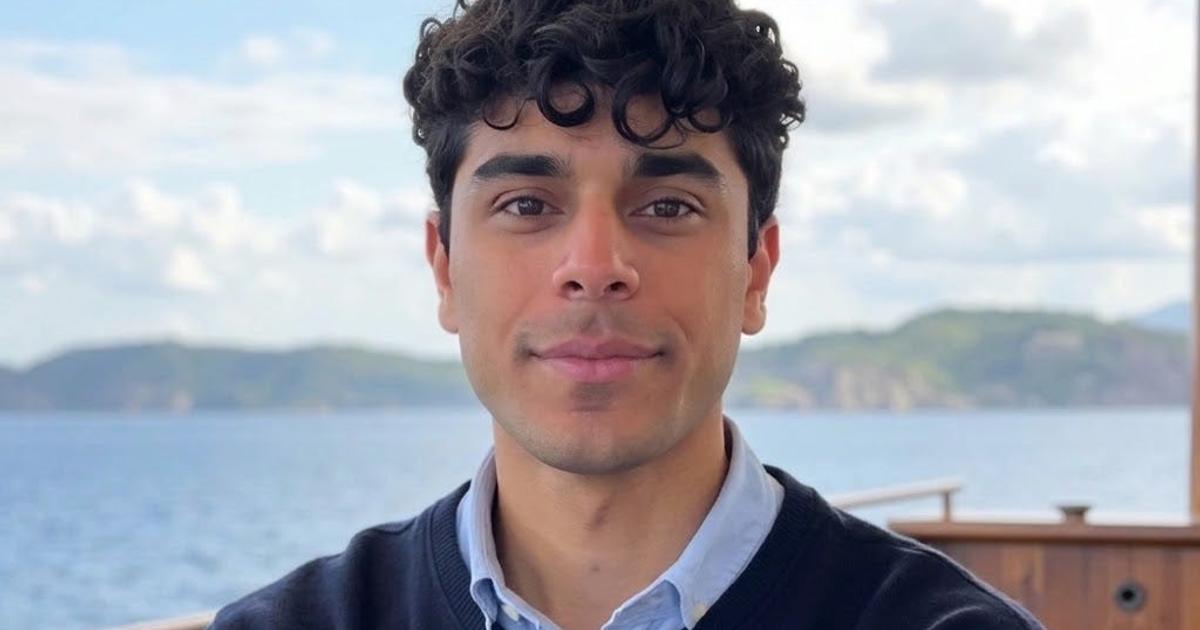
Ibrahim Noon grew up on a small farm in Pakistan reading biographies of conquerors and tech founders. By 17 he was at UC Berkeley studying economics and data science. By 20 he was working at Forerunner Ventures, one of the sharper consumer-tech VC firms in San Francisco. The path between those two points is more instructive than the destination. The resume reads like a speedrun: KPMG carbon-markets internship, a Miami brokerage stint, Morgan Stanley sales in New York, two failed startups built from scratch, and a Stanford education research program — all before graduating. None of it was wasted. The Wall Street work taught him to talk to strangers without flinching. The startups taught him to build from zero and interview customers. The Stanford program gave him his first American credential at 15. The Forerunner job came through a move that most career advice would call reckless. The application window had closed two months earlier. Noon spent an entire day writing — no AI — a custom email, resume, and a one-page consumer AI investment thesis built from Forerunner's own published materials. He already had a Morgan Stanley offer in hand for August. He sent the cold pitch anyway. What made the pitch land wasn't the document itself but the years of relationship infrastructure behind it. At Berkeley, Noon had been informally connecting founders to investors at Afore Capital, earning the classroom nickname "VC Noon." His case study for Forerunner's interview process argued that the best deal flow comes from building trust with talented people before they even have a startup idea — while they're still at OpenAI, Anthropic, or Cognition. The thesis was essentially: be the first call when they're ready to build. The networking philosophy here is worth isolating from the narrative. Noon draws a sharp line between LinkedIn connection counts and actual reciprocal relationships. His practical advice is granular: attend hackathons and conferences, set your phone lock screen to your LinkedIn QR code for fast exchanges, and send messages relentlessly — he was doing 250 cold outreaches a day during his Wall Street internship. His mantra is disarmingly simple: "If they don't reply, that's fine." The profile is honest about what didn't work. Both startups failed. Most of those 250 daily messages went unanswered. The Forerunner opportunity almost passed him by entirely. What Noon describes isn't a hack or a shortcut — it's a volume game played over years, where the wins compound and the losses cost nothing but time. There's a tension the piece doesn't fully interrogate: how replicable is this for someone without Berkeley, Stanford, Morgan Stanley, and KPMG on their resume? Noon's advice is genuine, but the platform from which he executed it is not average. The real takeaway may be narrower than the headline suggests — not "anyone can cold-email into VC" but "if you've built the substrate of credibility, one bold move can unlock the next level."
Worth reading?
OPTIONAL
Score
28
/100
College students or recent grads actively trying to break into VC or tech investing who need concrete tactical examples, not inspiration.
Cultural Placement
Like a Y Combinator application essay crossed with a Cal Newport career book, filtered through Business Insider's young-professional aspiration machine. The structure is the standard 'improbable origin → hustle montage → landing the dream job' arc that has powered BI career profiles for a decade, but Noon's specific details — the Pakistani farm, the failed startups, the 250-message days — give it more texture than the median entry. Think Gary Vaynerchuk's networking gospel delivered by someone who actually reads and builds things, with the self-awareness to admit what failed.
Honest assessment
A competent career profile with better-than-average specificity thanks to Noon's genuinely interesting background and his willingness to share tactics (the QR code trick, the 250-message volume). But the editorial frame is pure template, and the piece doesn't interrogate the privilege infrastructure that made the cold-email strategy viable. Useful as tactical reference for a narrow audience; forgettable as journalism.
What Is NOVEL?
28
/ 100
BedrockNews applies a structured analytical framework called NOVEL to cultural works — games, books, film, music, and more.
How NOVEL worksNerve
1/5
Originality
1/5
Voice
2/5
Endurance
1/5
Lineage
2/5
What did the artist risk? What could have failed?
Zero structural risk. This is the safest possible BI profile format: young overachiever, improbable origin, networking tips. Nothing could have failed editorially.
Verified Facts (13)
Ibrahim Noon is 20 years old and works at Forerunner Ventures in San Francisco
He grew up on a small farm in Pakistan; his father is a farmer and history enthusiast
He participated in a 2-month online research program at Stanford Graduate School of Education involving AR/VR simulations for environmental science
He enrolled at UC Berkeley at 17, studying economics and data science
He interned at KPMG (carbon emissions trading), a Miami brokerage, and Morgan Stanley (sales) in New York
He launched and abandoned two startups
He earned the nickname 'VC Noon' from classmates
He built informal connections with Afore Capital and referred entrepreneurs to them
He graduated from UC Berkeley in May 2026
He had a Morgan Stanley full-time offer for August but discovered Forerunner's opening in mid-July — 2+ months after the application deadline closed
He spent a full day creating an email, resume, and a 1-page consumer AI investment thesis without using AI
During his Wall Street internship he sent 250 messages per day, most unanswered
He recommends setting your phone lock screen to your LinkedIn QR code at events
More latest news
Read all