FLIGHTS CANCELLED
12,500+
ONE NIGHT · HOTEL
$621
GROUND STOP EVER
3rd
TARMAC · STRANDED
~4 hrs
On Friday, November 13, 2026, the FAA issued only the third nationwide ground stop in modern history — after the January 2023 NOTAM system failure and 9/11 — when a telecommunications disruption knocked out communications at en-route air traffic control centers responsible for guiding aircraft at cruising altitude. More than 12,500 flights were cancelled. The disruption arrived in an already jittery environment: a major Microsoft cloud outage had hit the day before, and National Weather Service data had gone haywire earlier that Friday.
Extraction Map
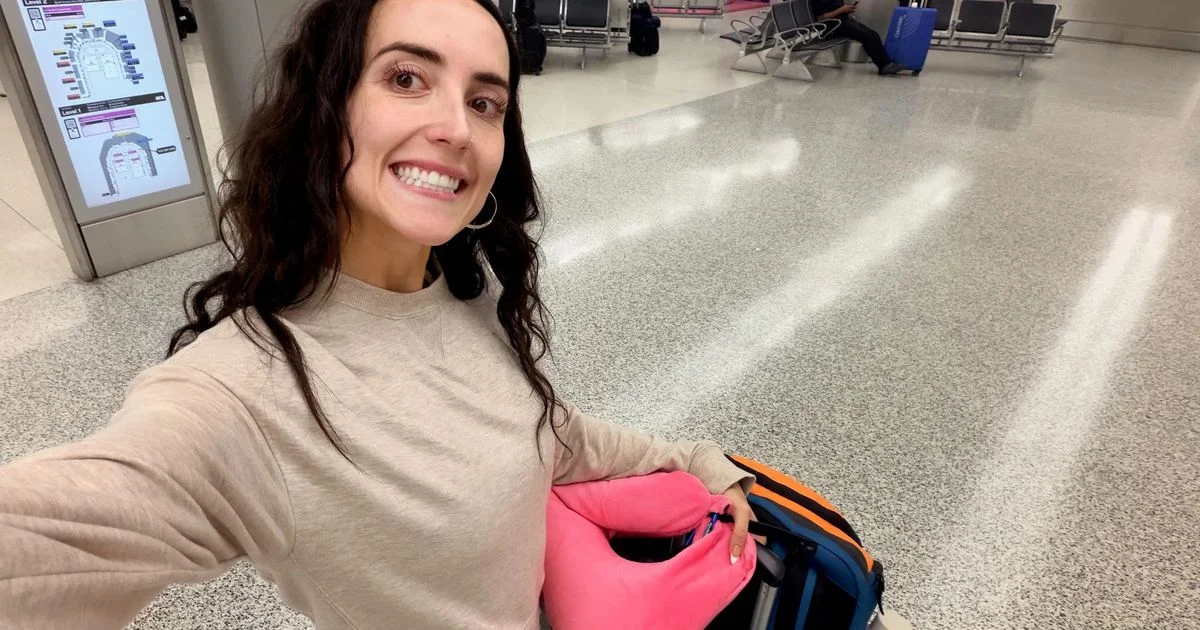
For passengers already airborne, the news landed mid-flight. Reporter Gentry Hale, returning from Curaçao to Salt Lake City via Miami, learned at 35,000 feet that the entire U.S. airspace was frozen. Pilots could still land — aircraft already en route were cleared to their destinations — but nothing was taking off. The reassurance was partial at best: passengers and crew aboard Hale's flight immediately began speculating about cyberattacks and AI malfunctions. Officials later said neither was the cause, which raised its own uncomfortable question: if not sabotage, what single point of failure could shut down the world's busiest airspace? The ground-level chaos was immediate and compounding. Miami International, still receiving inbound flights while outbound gates remained occupied, ran out of space. Hale's plane sat on the tarmac for two hours, engines idling, with no gate available. Inside the cabin, passengers scrambled on airline apps and hotel-booking platforms in a real-time race against scarcity. American Airlines eventually offered rebooking options — all requiring 12-to-14-hour itineraries with multiple connections the following evening. Hale grabbed one of the last three seats on a Saturday direct flight. The hotel market collapsed just as fast. Miami airport-area rooms sold out within hours. Hale booked a room at the Hyde Hotel downtown for $621 — a cost the airline had no obligation to cover, since the disruption was classified as beyond carrier control. The hotel's front desk reported going from roughly 40% occupancy at 5 PM to fully booked by 9 PM, a four-hour demand shock driven entirely by stranded travelers. Even in a major tourism hub, the buffer between normal operations and zero availability proved paper-thin. The cascading dynamics — what the aviation industry calls the snowball effect — were textbook but extreme. A single thunderstorm in Dallas or Atlanta can ripple delays across the network as aircraft and crew are displaced from scheduled positions. A simultaneous shutdown of the entire national airspace is categorically different: every aircraft, every crew, every gate, every hotel room in every city resets to zero at once. Recovery is not linear. The FAA lifted the ground stop later Friday evening, but the downstream disruption — displaced crews, mispositioned aircraft, overwhelmed rebooking systems — was already baked in for days. The timing compounded public unease. A Microsoft 365 outage affecting Outlook and Teams had struck the previous day. The NWS data anomaly hit Friday morning. Then the FAA's en-route communications failed. Officials insisted the events were unrelated and not the result of cyberattack, but the clustering of infrastructure failures across cloud services, weather systems, and air traffic control within 48 hours is precisely the kind of pattern that erodes institutional trust — whether the failures are connected or not. Hale's account is a single data point, but it maps the systemic exposure cleanly: a frequent flyer with resources, flexibility, and professional knowledge of the system was still reduced to frantically refreshing apps, paying $621 for a bed, and accepting a full day's delay with no recourse. For less experienced or less resourced travelers, the math was worse. The FAA ground stop revealed not a freak event but the baseline fragility of a system where one communications layer failing can halt 12,500 flights and convert every airport in the country into an unregulated auction for scarce rooms and seats.
Worth reading?
SKIP
Score
16
/100
Extractive — costs were socialized entirely onto passengers (time, money, stress) while systemic underinvestment in ATC redundancy and airline passenger-protection obligations remained unaddressed.
What Is GRIN?
GRIN stands for Generativity, Resilience, Innovation efficiency, and Novelty openness. These four dimensions capture the essential characteristics of any memetic intelligence — whether a nation, a corporation, a religion, or a movement.
About GRINGenerativity
0/5
Resilience
1/5
Efficiency
1/5
Novelty
1/5
Extractive
4/5
Inverted
Does this create new capability or just redistribute existing value?
Pure destruction. No new capability created — only existing travel capacity destroyed for days. $621 hotel bills and 12,500 cancelled flights represent net value loss across the system.
Verified Facts (10)
FAA has issued nationwide ground stops only three times in modern history: September 11, January 2023 NOTAM failure, and November 13 2026
More than 12,500 flights were cancelled
Officials stated the cause was telecommunications issues affecting en-route air traffic control centers
Officials said the disruption was not caused by AI or cyberattack
Hotel room cost $621 for one night at the Hyde Hotel in downtown Miami
Hotel went from approximately 40% occupancy at 5 PM to fully booked by 9 PM
A major Microsoft cloud outage affecting Outlook and Teams occurred the day before
National Weather Service data experienced anomalies earlier on Friday
Passengers were stranded on the tarmac for approximately two hours after landing in Miami
The airline had no obligation to assist the passenger with the uncontrollable disruption
More latest news
Read all