ENTITY LIST ACTIONS
0
CHIPS LEAKING TO CHINA
H-100+
CABINET DEPTS IN DISPUTE
2
CEO FORCED OUT
1
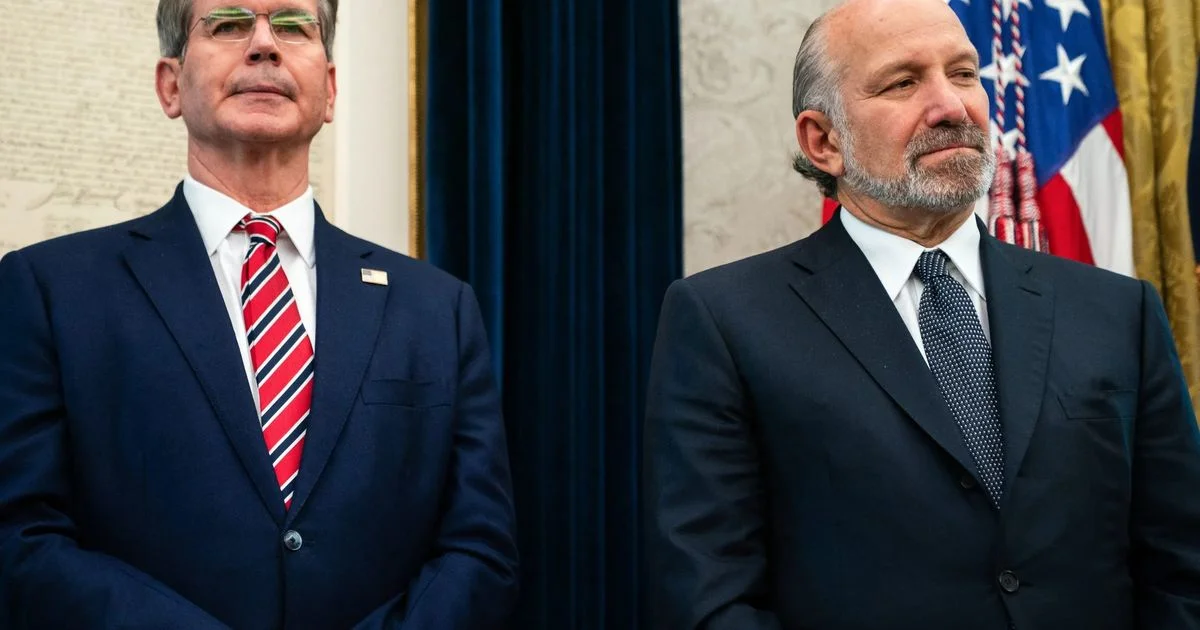
Treasury Secretary Scott Bessent went on CNBC Friday and did something unusual for a cabinet member: he pointed the blame directly at a colleague. Asked why the Trump administration hasn't cracked down on Megaspeed — the Singapore-based cloud company at the center of the Nvidia espionage and export-control scandal — Bessent said flatly that Commerce Secretary Howard Lutnick's department holds the keys and hasn't turned them. "Commerce has the decision," Bessent told CNBC. "You all need to ask them about their internal process."
Extraction Map
The public finger-pointing follows an Axios report that Bessent confronted Lutnick in the Situation Room, demanding to know why Megaspeed hadn't been placed on the Entity List — the trade blacklist controlled by Commerce. Bessent didn't deny the report. His department, he said, has been "pushing" for action against Megaspeed for months alongside his deputies. The implication is clear: Treasury is ready to act, Commerce is the bottleneck. The Megaspeed controversy sits inside a larger Nvidia implosion. Alice Huang, a former senior executive at Megaspeed, is suspected by U.S. officials of being a Chinese intelligence operative, according to The New York Times. The Times also reported she had an extramarital affair with then-Nvidia CEO Jensen Huang, who apologized to employees via memo on Sunday for the affair but did not address the espionage allegations. Jensen Huang resigned Thursday. China has repeatedly denied Huang was a spy. Bessent's sharpest move was to redirect the narrative away from the personal scandal and toward a systemic failure. "So far this story has been focused on Jensen Huang's personal failings," he said. "The real story here should be: did Nvidia know their customer?" He accused Nvidia of potentially selling chips to shell companies that were obviously middlemen funneling hardware to China, and said anyone at the company involved must be held accountable. The structural problem Bessent is surfacing is real. He stated that Chinese firms are obtaining chips with performance exceeding Nvidia's H-100, despite export restrictions. "President Trump has been very clear that China should not get any Nvidia chips above the H100S," Bessent said, adding that any leakage "hurts our great companies in the AI race and gives the Chinese an advantage." The gap between policy intent and enforcement reality is the core issue. The Bessent-Lutnick split reveals a governance failure more than a policy disagreement. Both men presumably agree Megaspeed should be blacklisted. The question is why it hasn't happened. Commerce controls the Entity List. Treasury can impose sanctions through OFAC but cannot unilaterally add entities to Commerce's list. This jurisdictional gap — or jurisdictional excuse — has let Megaspeed operate unimpeded while two cabinet secretaries publicly spar over whose job it is. Jensen Huang's forced departure from Nvidia is not the end of this story; it's a waypoint. The outstanding questions are about institutional failure: how export controls were designed, who enforced them, whether Nvidia performed adequate due diligence on its customers, and whether Commerce deliberately slow-walked action on Megaspeed. Bessent's public blame game may be self-serving, but the questions he's raising are the right ones.
Worth reading?
SKIP
Score
20
/100
Extractive — jurisdictional dysfunction between Treasury and Commerce allows advanced chips to leak to China, enriching intermediaries like Megaspeed while degrading U.S. technological advantage and undermining the stated policy of two administrations.
What Is GRIN?
GRIN stands for Generativity, Resilience, Innovation efficiency, and Novelty openness. These four dimensions capture the essential characteristics of any memetic intelligence — whether a nation, a corporation, a religion, or a movement.
About GRINGenerativity
1/5
Resilience
1/5
Efficiency
1/5
Novelty
1/5
Extractive
4/5
Inverted
Does this create new capability or just redistribute existing value?
Net-negative generativity. The enforcement vacuum destroys U.S. AI competitive advantage while generating zero new capability — value flows out through shell companies to a strategic competitor.
Verified Facts (11)
Bessent stated on CNBC: 'Commerce has the decision... You all need to ask them about their internal process.'
Axios reported Bessent confronted Lutnick in the Situation Room over Megaspeed's Entity List status.
Alice Huang was a senior executive at Megaspeed; NYT reported U.S. officials suspect her of being a Chinese intelligence operative.
NYT reported Alice Huang had an extramarital affair with then-Nvidia CEO Jensen Huang.
Jensen Huang apologized via employee memo on Sunday for the affair but did not mention Alice Huang or espionage allegations.
Nvidia board announced Thursday that Jensen Huang had resigned.
China has repeatedly denied Huang is a spy.
Bessent stated Chinese firms are obtaining chips with performance exceeding the Nvidia H-100.
Bessent said: 'President Trump has been very clear that China should not get any Nvidia chips above the H100S.'
Bessent said: 'The real story here should be: did Nvidia know their customer?'
Bessent stated his department and deputies had been 'pushing' for action against Megaspeed for months.
More latest news
Read all