PROPERTIES OWNED
12
MONTHLY RENTAL INCOME
$10K
1ST PROPERTY GAIN
$262K→$437K
TARGET PROPERTIES
100
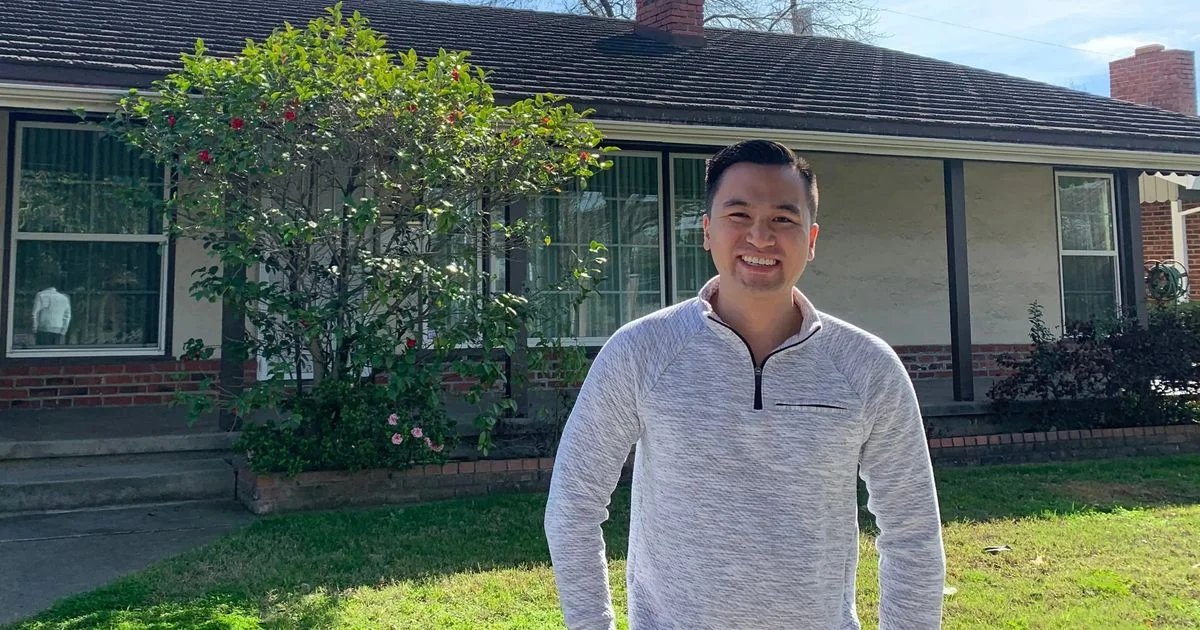
Ryan Chaw bought his first rental property at 23 in Stockton, California, across the street from University of the Pacific. He paid $262,000 with an oversized $100,000 down payment, then rented individual rooms to college students at $630 each — later raised to $720. By adding a fourth bedroom, he turned the house cash-flow positive against a $2,000 monthly mortgage he paid off in five years. The model was simple: captive demand from students who need proximity to campus, room-by-room leasing to maximize per-square-foot revenue, and repeat.
Extraction Map
Chaw bought one property per year for five years, all near UOP, all using the same rent-by-room strategy. He lived with his parents rent-free for the first five years, eliminating his largest personal expense and funneling his pharmacist salary into down payments and renovations. His sixth property doubled as his own residence using a house-hacking approach. The family subsidy and professional income were load-bearing elements of the strategy, rarely emphasized in the narrative. The catalyst was generational. Chaw's grandfather purchased apartments in the San Francisco Bay Area in the 1950s, properties that eventually sold for approximately $3.6 million — more than the family earned from decades of wage labor. That object lesson in asset appreciation versus labor income is the intellectual foundation of Chaw's approach, and he cites "Rich Dad Poor Dad" and the FIRE movement as confirmatory frameworks. By 2023, Chaw's rental income reached roughly $10,000 per month — enough to replace his pharmacist salary — and he quit his job. He then sold his original Stockton property for $437,500 (a 67% gain on purchase price) and reinvested into seven properties in Ohio, where purchase prices are lower and cash flow margins wider. A duplex there generates approximately $4,000 monthly. His current portfolio: four properties in Stockton, one in Sacramento, seven in Ohio. The story is presented as aspirational, but the structural dynamics deserve scrutiny. Rent-by-room models extract maximum revenue from housing units by treating bedrooms as independent income streams, often charging aggregate rents well above what a single-family tenant would pay. The tenants — college students — are a captive market with limited negotiating power and high turnover tolerance. The landlord benefits from inelastic demand near a university; the students pay above-market aggregate rents for below-market individual rooms. Chaw's stated goal is 100 properties. At that scale, the model transitions from individual wealth-building to institutional-grade extraction from rental markets. Each property acquired removes a unit from the owner-occupier market and converts it to a revenue asset. The 20-year question is straightforward: if thousands of investors replicate this playbook — and Business Insider is effectively distributing the manual — the aggregate effect is upward pressure on housing prices and rents in college towns and affordable markets like Ohio. None of this makes Chaw unusual or villainous. He executed a disciplined strategy with family advantages, professional income, and geographic arbitrage. But the framing as "passive income" and "financial freedom" obscures who pays: tenants whose rent funds the landlord's early retirement, and future buyers priced out of markets where investors concentrate. The story is a clean illustration of how individual rationality scales into collective extraction.
Worth reading?
SKIP
Score
28
/100
Extractive. No new housing is created; existing units are converted to higher-extraction-per-square-foot rental configurations, with value flowing from student tenants and future homebuyers to the investor.
What Is GRIN?
GRIN stands for Generativity, Resilience, Innovation efficiency, and Novelty openness. These four dimensions capture the essential characteristics of any memetic intelligence — whether a nation, a corporation, a religion, or a movement.
About GRINGenerativity
1/5
Resilience
2/5
Efficiency
2/5
Novelty
1/5
Extractive
4/5
Inverted
Does this create new capability or just redistribute existing value?
Zero new housing created. The model redistributes existing units from owner-occupier to investor-rental use, maximizing revenue per room without adding supply.
Verified Facts (13)
First property purchased at age 23 in Stockton, CA for $262,000 with $100,000 down payment
Room rents started at approximately $630, raised to approximately $720
Monthly mortgage approximately $2,000 on a 10-year loan, paid off in 5 years
Grandfather's San Francisco Bay Area properties sold for approximately $3.6 million
Quit pharmacist job in August 2023 after approximately 8 years of investing (started late 2015)
First property sold for $437,500
Ohio duplex generates approximately $4,000 monthly cash flow, purchased for $367,000
Current portfolio: 4 Stockton, 1 Sacramento, 7 Ohio = 12 total
Goal is 100 properties
Rental income target of approximately $10,000/month to replace pharmacist salary
Lived with parents rent-free for first 5 years
Chaw is currently 34 years old
Cites Rich Dad Poor Dad and FIRE movement as influences
More latest news
Read all