BOND AMOUNT
$1M
DEFENDANT'S SHARE
$500K
EXPECTED IPO YEAR
2027
CURFEW WINDOW
7PM–7AM
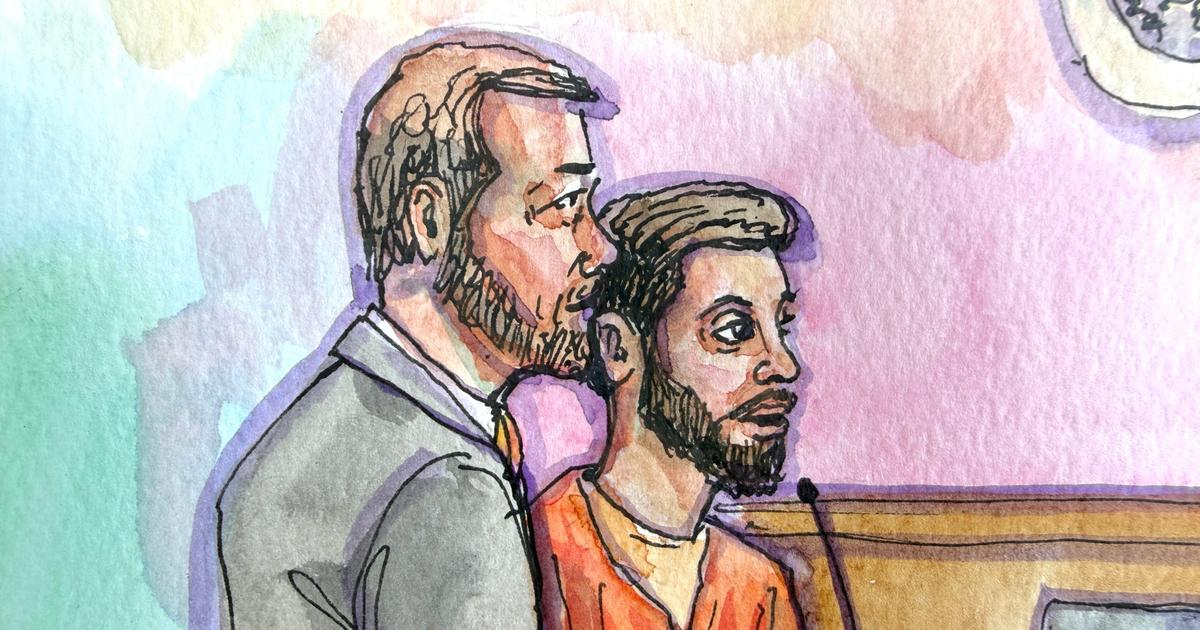
Abdulrahman Alfozan, the former OpenAI engineer arrested in October 2026 for allegedly planting eavesdropping devices in the company's offices, will be released from federal custody after posting $500,000 of a $1 million bond. The remaining $500,000 is guaranteed by three friends. His release, expected November 25, marks a sharp reversal from Judge Alex Tse's earlier decision to keep him detained over flight-risk concerns.
Extraction Map
The shift came after Alfozan replaced his legal counsel with David Rizk, who mounted an aggressive challenge to the prosecution's case. Rizk argued that the government had been too slow with evidence disclosure and had failed to present any proof that Alfozan was engaged in economic espionage. The charge itself — illegal interception of oral communications using a device — is narrower than the spy narrative that dominated early coverage. Prosecutor Nick Parker pushed back, arguing Alfozan remains a flight risk. His wife and children have already returned to Saudi Arabia, he has no current employment, and his ties to the Bay Area are thin. The government has seized his passport and travel documents. The most revealing detail surfaced during the hearing: Alfozan's OpenAI stock options have already vested, and the company cannot claw them back. Prosecutor Parker acknowledged that if OpenAI proceeds with its anticipated 2027 IPO, Alfozan could sell shares and convert them to cash. Judge Tse pressed on whether a guilty verdict would change this, and the answer was limited — damages liability, not forfeiture. Alfozan's release conditions are severe. He must wear a GPS ankle monitor, observe a 7 PM to 7 AM curfew, stay within California's Northern District, avoid airports and transit hubs, and have zero access to OpenAI records outside formal discovery. Any single violation triggers bond forfeiture. Rizk told Business Insider he plans to seek a continuance of the January 2027 trial date once his client is free. The defense strategy is becoming clear: slow down the timeline, attack the prosecution's evidentiary foundation, and force the government to either strengthen a case that currently rests on a wiretapping charge — not espionage — or negotiate. The case sits at the intersection of AI trade secrets, geopolitical suspicion, and corporate security. That an accused wiretapper still holds equity in the company he allegedly surveilled, with an IPO potentially making those shares liquid, is the kind of structural absurdity that highlights how unprepared legal frameworks are for the AI industry's speed and scale.
Worth reading?
SKIP
Score
20
/100
Extractive. The alleged act — if proven — was pure intelligence extraction from a generative enterprise. The legal process itself generates no new value; it redistributes costs (legal fees, security overhauls, reputational risk) while the accused retains equity upside.
What Is GRIN?
GRIN stands for Generativity, Resilience, Innovation efficiency, and Novelty openness. These four dimensions capture the essential characteristics of any memetic intelligence — whether a nation, a corporation, a religion, or a movement.
About GRINGenerativity
0/5
Resilience
1/5
Efficiency
1/5
Novelty
2/5
Extractive
4/5
Inverted
Does this create new capability or just redistribute existing value?
Zero generativity. An alleged surveillance operation and its legal aftermath create nothing — they consume security budgets, legal resources, and institutional trust at OpenAI.
Verified Facts (13)
Alfozan was arrested in October after being fired by OpenAI for allegedly planting eavesdropping devices in the company's offices.
$1 million bond: $500,000 from Alfozan, $500,000 guaranteed by three friends.
Judge Alex Tse, federal magistrate, initially ordered continued detention over flight-risk concerns.
Defense attorney David Rizk replaced Alfozan's previous counsel.
Prosecutor Nick Parker, assistant U.S. attorney, is lead prosecutor.
Alfozan's wife and children have returned to Saudi Arabia.
Alfozan joined OpenAI in 2025.
Stock options already vested and cannot be clawed back by OpenAI.
OpenAI IPO anticipated in 2027.
Alfozan pleaded not guilty at a November 6, 2026 hearing.
Release conditions: GPS ankle monitor, 7 PM–7 AM curfew, restricted to Northern District of California, barred from airports and transit hubs.
Funds to be transferred from Robinhood account via power of attorney to Rizk.
Trial currently set for January 2027.
More latest news
Read all