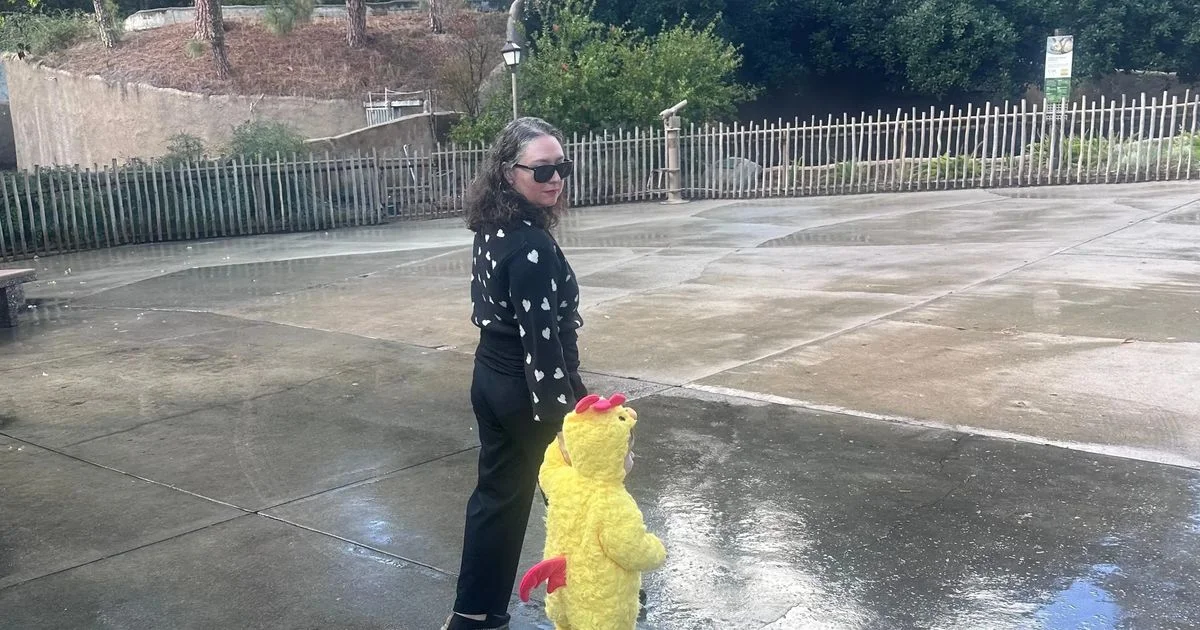
Virginia Isaad's essay opens with an observation so universal among new parents it's almost a cliché: pregnancy draws people in, postpartum pushes most of them back out. The piece's value isn't in the novelty of that insight but in the specificity of how she tracks the sorting mechanism — the difference between someone who likes a photo and someone who shows up with a cooked meal and a mop. The sharpest passage distinguishes between two kinds of "help" offers: people who say they'll watch the baby while you clean, versus people who come over and clean while you hold the baby. That's a real observation about how social support actually works for new mothers, and it lands because it's concrete. Isaad isn't theorizing about friendship; she's describing a lived triage. She's also honest about the cost. Shrinking your trust circle in the postpartum period can feel isolating, and she says so without pretending it's entirely liberating. The essay holds both truths — fewer people, but better people — without collapsing into either self-pity or false empowerment. What the piece doesn't do is interrogate the other side. Friends without children may genuinely not know what's needed, may feel unwelcome, may be dealing with their own invisible struggles. The essay frames non-engagement as a character reveal rather than a communication gap, which simplifies a more complicated dynamic. The writing is clean and direct, typical of the first-person personal essay form that Business Insider US runs regularly. It doesn't overstay its welcome. There's no performative vulnerability, no dramatic arc — just a mother reorganizing her social priorities and explaining why. For readers currently navigating the postpartum period or approaching it, there's genuine validation here. For everyone else, it's a five-minute read that might prompt a useful question: when was the last time you showed up for someone with action rather than a double-tap?
Worth reading?
OPTIONAL
Score
28
/100
New or expectant mothers feeling the postpartum friendship shift and wanting validation that it's normal. If you're not in that window, this won't stick.
Cultural Placement
Like a condensed version of Rachel Yoder's 'Nightbitch' minus the surrealism, filtered through the confessional directness of Heather Havrilesky's Ask Polly columns. Sits in the tradition of the BI/HuffPost first-person motherhood essay — a form with enormous volume and a narrow originality window. The mechanism is social triage under resource scarcity, closer to Dunbar's number research than to memoir. If you've read Glennon Doyle or Emily Oster's community chapters, you've walked this terrain before, though Isaad walks it more plainly.
Honest assessment
A clean, honest, emotionally accurate five-minute essay that will resonate deeply with its target audience and evaporate for everyone else. It does exactly what the form asks — no more, no less. The craft is competent; the territory is well-trodden.
What Is NOVEL?
28
/ 100
BedrockNews applies a structured analytical framework called NOVEL to cultural works — games, books, film, music, and more.
How NOVEL worksNerve
1/5
Originality
1/5
Voice
2/5
Endurance
1/5
Lineage
2/5
What did the artist risk? What could have failed?
No risk taken. Every claim is safe, every observation pre-validated by the audience. Nothing here could fail or alienate — which means nothing surprises.
Verified Facts (5)
Author is Virginia Isaad
Published November 22, 2026 on Business Insider Taiwan, translated from Business Insider US
Author's child is 18 months old at time of writing
Author distinguishes between friends who offer to watch the baby while she cleans versus those who come and cook a meal or help clean themselves
Author states she narrowed her trust circle after becoming a mother
More latest news
Read all