AGENTS BLOCKED
3
INSTINCT CC LINK · 3WK
40%
MUSE BLOCK DATE
Sep 2026
RETAILER OPEN (SHOPIFY)
1
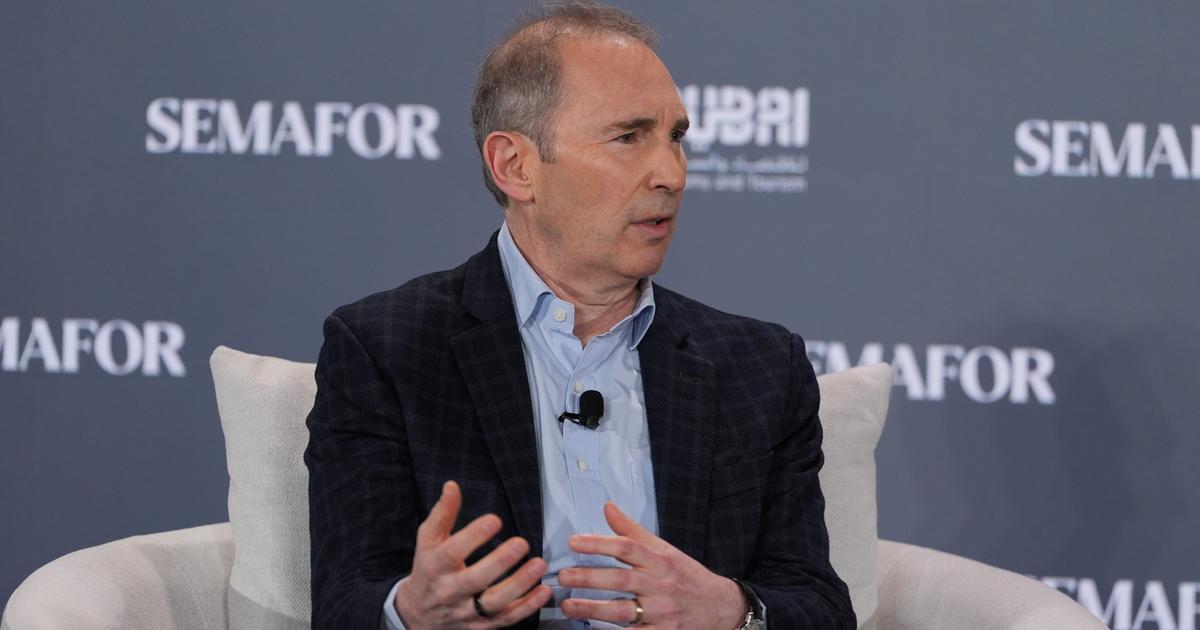
Amazon CEO Andy Jassy told Semafor's Silicon Valley & The World conference on November 17 that the company's block on external AI shopping agents is not permanent — but conditional. "We never said we wouldn't open the door," Jassy stated. "It just has to be a good experience for the customer. It has to be a fair value exchange." The framing is diplomatic. The substance is strategic leverage.
Extraction Map
The block, imposed in September 2026, prevents Meta's AI agent Muse, Instinct AI, and OpenAI's Dots from completing purchases on Amazon's platform. Amazon cited "safe, secure, and trustworthy customer experience" as the rationale, applied uniformly across all external agent operators. Users have confirmed that Instinct AI and Dots also struggle to execute proxy purchases on the site. The real contest is over who controls the shopping relationship. AI agents threaten to disintermediate retailers from the browsing experience they have spent decades engineering. If a customer says "buy me deodorant" to an external agent, Amazon loses the product discovery surface, the ad impressions, and the behavioral data that feeds its recommendation engine. Jassy made this explicit: "I think agent-based shopping is going to be primarily something where the user works with their favorite retailer," pointing to Amazon's own tools — Alexa for Shopping, the Buy for Me feature, and the About You customer profile built from purchase history, search behavior, and Alexa conversations. Amazon is simultaneously building its own agent infrastructure while blocking competitors' agents from its marketplace. The About You profile — aggregating purchase history, search data, and voice assistant conversations — is the moat. Jassy's argument that users will want agents connected to "all the order history, delivery addresses, payment info" is true, but it is also a description of lock-in. The "fair value exchange" he demands from external agents almost certainly means access to Amazon's data layer on Amazon's terms. Other retailers are making different bets. Shopify is actively welcoming external AI agents. Home Depot's CIO said the company would accept agent purchases but wants agents to identify themselves as AI first — a transparency-focused middle path. Amazon's position is the most restrictive among major players, reflecting its uniquely large data advantage and advertising revenue at stake. Jassy confirmed Amazon is in active discussions with all the major agent companies. The negotiation is not about whether agents will eventually transact on Amazon — it is about the terms. Who gets the customer data? Who controls the product recommendation? Who sells the ads? Who is liable when an agent orders the wrong thing? These are not technical questions. They are questions about who captures the margin in AI-mediated commerce. The 20-year question is whether Amazon can maintain its position as the default commercial infrastructure layer even as the user interface shifts from browsers and apps to autonomous agents. If agents become the primary shopping interface, the retailer with the deepest customer profile and the most friction-free agent integration wins. Amazon is betting that by controlling when and how agents connect, it can ensure that layer is Amazon's — not Meta's, not OpenAI's.
Worth reading?
SKIP
Score
24
/100
Extractive. Amazon is using platform control to ensure AI-mediated commerce routes through its data layer, converting an infrastructure monopoly into an AI-era gatekeeper position rather than enabling open agent interoperability.
What Is GRIN?
GRIN stands for Generativity, Resilience, Innovation efficiency, and Novelty openness. These four dimensions capture the essential characteristics of any memetic intelligence — whether a nation, a corporation, a religion, or a movement.
About GRINGenerativity
1/5
Resilience
1/5
Efficiency
2/5
Novelty
1/5
Extractive
4/5
Inverted
Does this create new capability or just redistribute existing value?
No new capability created. Amazon blocks external innovation while building proprietary substitutes. The 'fair value exchange' is code for terms that preserve Amazon's data monopoly, not expand the market.
Verified Facts (10)
Amazon blocked Meta's Muse from purchasing on its platform in September 2026
Jassy spoke at Semafor's Silicon Valley & The World conference on November 17
Jassy stated: 'We never said we wouldn't open the door' and 'It just has to be a good experience for the customer. It has to be a fair value exchange'
Users reported Instinct AI and Dots also struggle with proxy purchases on Amazon
Shopify actively welcomes external AI shopping agents
Home Depot CIO said agents should identify themselves as AI first
Amazon's About You profile is built from purchase history, search history, and Alexa conversations
40% of Instinct users linked credit cards within 3 weeks
Amazon tools mentioned: Alexa for Shopping, Buy for Me feature, About You customer profile
AI agents mentioned: Meta's Muse, Instinct AI, OpenAI's Dots
More latest news
Read all