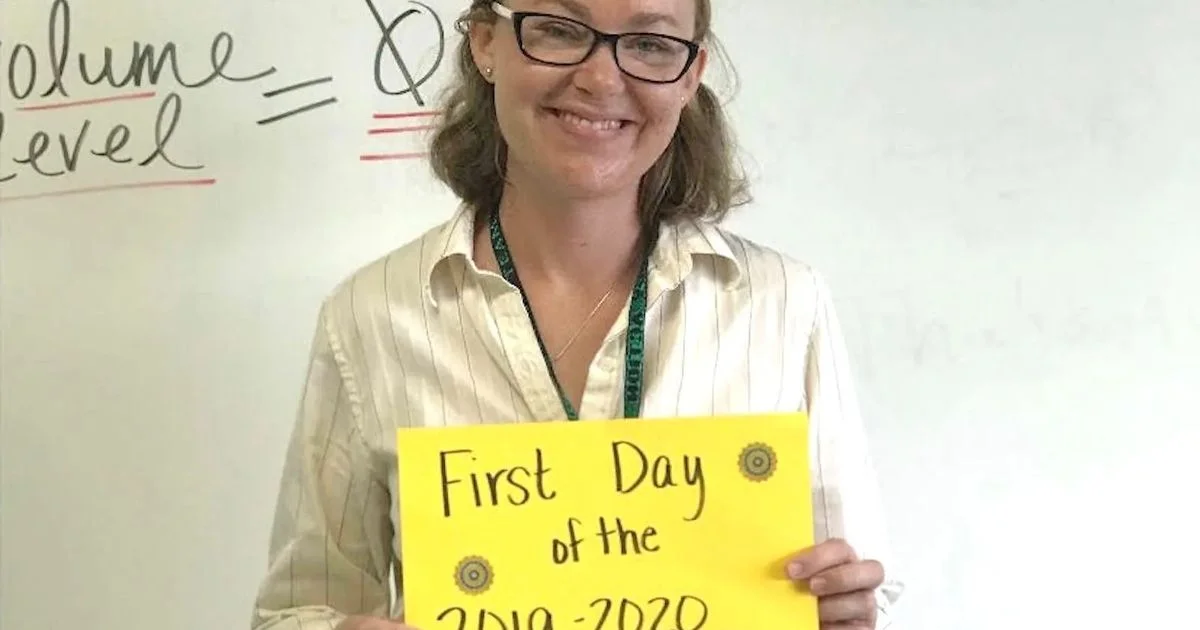
Ashley Archambault didn't leave teaching because she wanted to. She left because her body made continuing impossible. Years of worsening symptoms — eventually diagnosed as endometriosis — pulled her out of the classroom in stages: first a months-long medical leave, then a failed return, then the permanent exit she and her husband agreed to enforce with mutual promises. The essay's central act is small and administrative: she let her professional teaching certificate expire in summer 2026 rather than spend the time and money to renew it. But the psychic weight of that bureaucratic non-event is the whole piece. The certificate represented years of coursework, a professional identity she'd built from scratch, and a future she'd planned — teaching at her son's middle school, coaching kids she cared about. Letting it lapse meant admitting that future was gone. Archambault is honest about how hard the admission was. A friend mentioning recertification courses sent her spiraling into Reddit threads, looking for permission to do what she'd already decided. Visiting her son's school for a basketball game — the same building where she'd once taught — produced a rush of magical thinking: maybe someday, when the kids are older, when the body cooperates. She had to talk herself back down each time. The endometriosis diagnosis, which came after she'd already left teaching permanently, added a cruel clarity. Five years of declining health finally had a name, but the damage to her career was already done. Two major surgeries in two years have consumed most of her energy since. The disease doesn't go away. The classroom isn't coming back. What makes the piece work is its refusal to dress up the loss as a blessing. Archambault doesn't pretend she discovered her true calling. She says plainly that she's still grieving the person she was before the disease changed her trajectory. The freedom she describes isn't euphoric — it's the relief of no longer maintaining a fiction. Without the certificate to renew, the question of returning stops being a live temptation and becomes a closed door. The forward-looking section is modest and specific: volunteering for her son's art club, making resources for other teachers, thinking about how teaching skills transfer to other work. No grand reinvention narrative. Just a person clearing mental space by accepting what's real. This is a personal essay doing exactly what the form is supposed to do — making a private experience legible to strangers by being precise about the feelings rather than inflating them. It won't change anyone's policy views on teacher retention or chronic illness accommodation. It might help someone else who's sitting on an expired credential and feeling like a failure.
Worth reading?
OPTIONAL
Score
40
/100
Teachers or professionals who've lost a career to chronic illness and need to see their experience reflected back. Also useful for partners or friends trying to understand that specific grief.
Cultural Placement
Like the illness essays of Meghan O'Rourke or Porochista Khakpour but smaller in scope and more domestic in register, with the career-loss specificity of a McSweeney's piece about professional identity. The mechanism is grief-through-bureaucracy — the certificate renewal deadline as emotional proxy, the way administrative deadlines force existential decisions. Closer to a Tiny Beautiful Things letter than a published memoir chapter, and effective on those terms.
Honest assessment
A solid, emotionally precise personal essay that does exactly what the form promises: makes one person's specific loss legible to others in similar positions. It doesn't transcend its genre or attempt to. If you're in Archambault's situation — grieving a credential-dependent career your body took away — this will land. For everyone else, it's a five-minute read that earns its time without demanding it.
What Is NOVEL?
40
/ 100
BedrockNews applies a structured analytical framework called NOVEL to cultural works — games, books, film, music, and more.
How NOVEL worksNerve
2/5
Originality
2/5
Voice
3/5
Endurance
1/5
Lineage
2/5
What did the artist risk? What could have failed?
Low structural risk. The form — first-person chronic illness essay on a lifestyle platform — is well-established and safe. The emotional honesty is real but the container is familiar.
Verified Facts (6)
Author diagnosed with endometriosis after leaving teaching permanently
Two major surgeries in the past two years
Professional teaching certificate expired summer 2026
Son started middle school this year
Author had planned to teach at the same middle school
Author's husband made mutual promises about not returning to teaching
More latest news
Read all