NURSING HOME / YR
$130K
ADU COST RANGE
$37K–$475K
VILLA SALES · MULTIGENERATIONAL
75%
LIVE-IN CARE STAFF
$520/day
The arithmetic is stark. A private room in a U.S. nursing home now costs $130,000 a year, up from $111,000 in 2022. Families priced out of institutional care are turning to accessory dwelling units — small homes built on existing property — to keep aging parents close. The trend is real: Villa, a California ADU builder, reports 75% of its 2026 sales are for multigenerational households, most tied to caregiving.
Extraction Map
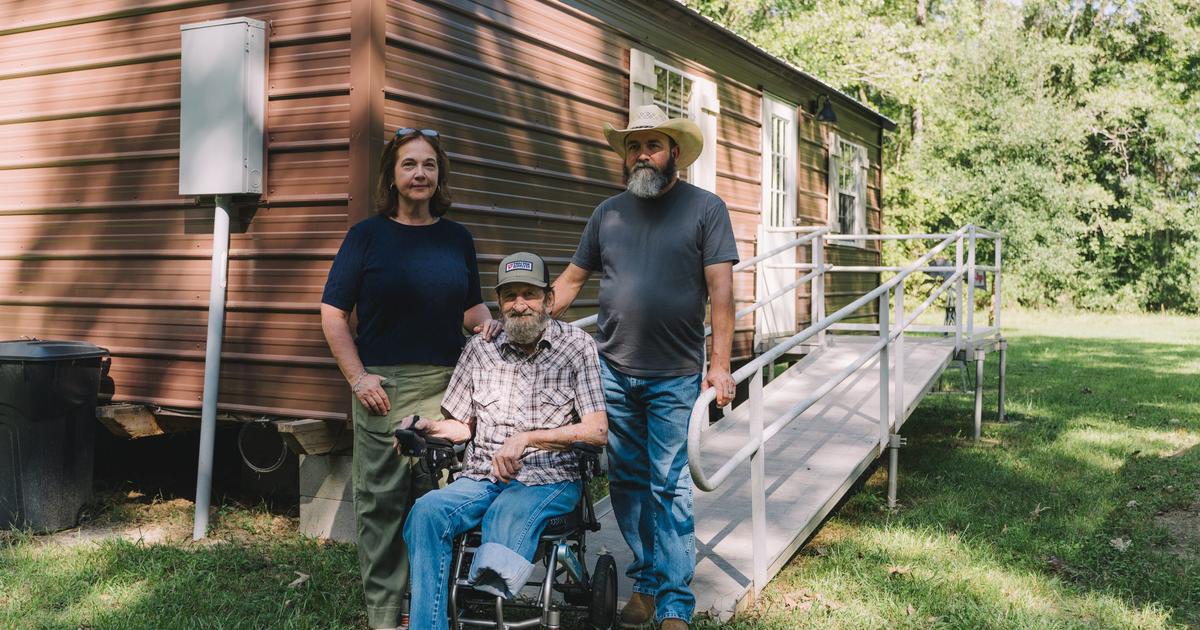
The cost range is enormous and reveals the class fault lines. Linda Barton in Houston bought two prefab tiny houses for $37,000 and $43,000 — roughly $80,000 total — for three parents. Shalini Karnani Bonjour is spending $475,000 on a purpose-built ADU in Coachella Valley. Lena Koropey's Long Island build is running $450,000, plus $520–$550 per day for live-in care staff. James Richard Cornell built a 93-square-meter home from scratch for $110,000, with his mother covering 90% of the cost. These are not comparable solutions; they're different income brackets improvising within the same policy vacuum. The human stories are honest about what goes wrong. Barton says she's "crushed" by care costs despite Medicare and hospice support. Alison George spent $45,000 renovating a cottage for her mother, only to watch Alzheimer's progress beyond what home care could handle — monthly costs hit $7,800 before she moved her mother to a Medicaid facility. The cottage sits empty. Cornell University professor Mildred Warner states the obvious: ADUs work when care needs are moderate and someone has time to provide hands-on support. When conditions deteriorate, institutional care becomes unavoidable anyway. Permitting is a consistent obstacle. More than half of the 13+ families interviewed reported difficulty obtaining building permits. Some faced unexpected costs. One family abandoned the ADU route entirely after nearly a year of bureaucratic struggle and built on separate land instead. North Carolina has introduced legislation to mandate local governments allow at least one ADU per single-family lot — a small but meaningful deregulatory step. The deeper issue is what's NOT happening. Medicare doesn't meaningfully cover long-term care. Medicaid only kicks in after assets are depleted. There is no federal ADU policy, no standardized permitting, no care-infrastructure subsidy. Every family interviewed is essentially self-financing a solution to a systemic gap. The 75% multigenerational sales figure from Villa isn't a market success story — it's a distress signal dressed as consumer choice. California's housing politics have made it the ADU laboratory, but the underlying economics are national. Nursing home costs are rising faster than wages. The sandwich generation — working adults caring for both children and parents — is growing. The ADU boom is a rational individual response, but it shifts the burden of elder care from institutions to families, from public systems to private savings, from collective risk-pooling to household balance sheets. What emerges is a pattern familiar across American policy: a genuine need, creative private adaptation, and the absence of structural reform. ADUs add housing flexibility and keep families together. They also let governments off the hook for building the care infrastructure that an aging population requires.
Worth reading?
SKIP
Score
28
/100
Extractive at the system level. Families generate local solutions but absorb costs that institutional care systems should distribute. Value flows from household savings to a fragmented care industry with no public backstop.
What Is GRIN?
GRIN stands for Generativity, Resilience, Innovation efficiency, and Novelty openness. These four dimensions capture the essential characteristics of any memetic intelligence — whether a nation, a corporation, a religion, or a movement.
About GRINGenerativity
2/5
Resilience
1/5
Efficiency
1/5
Novelty
2/5
Extractive
4/5
Inverted
Does this create new capability or just redistribute existing value?
Modest generativity. ADUs add housing stock and keep families together, but create no new care capacity — they relocate the burden from institutions to households with no scale economies.
Verified Facts (9)
Nursing home private room annual cost rose from $111,000 (2022) to $130,000 (2025) per CareScout.
Linda Barton purchased tiny houses for $37,000 and $43,000 in Houston, TX.
Shalini Karnani Bonjour's ADU plan in Coachella Valley costs $475,000.
Lena Koropey's Long Island ADU estimated at $450,000; live-in care staff costs $520–$550/day.
James Richard Cornell built a 1,000 sq ft (93 sqm) home for ~$110,000; mother covered 90%.
Alison George spent $45,000 renovating a cottage; mother's care costs reached $7,800/month.
Villa reports 75% of 2026 sales are multigenerational, most related to caregiving.
Cornell University professor Mildred Warner studies ADUs.
North Carolina ADU bill co-sponsored by state legislator Vernetta Alston.
More latest news
Read all