SLOTS AVAILABLE
10
PRIOR APPLICANTS
8,000+
ACCEPTANCE RATE
0.125%
ANNUAL SALARY
$164K
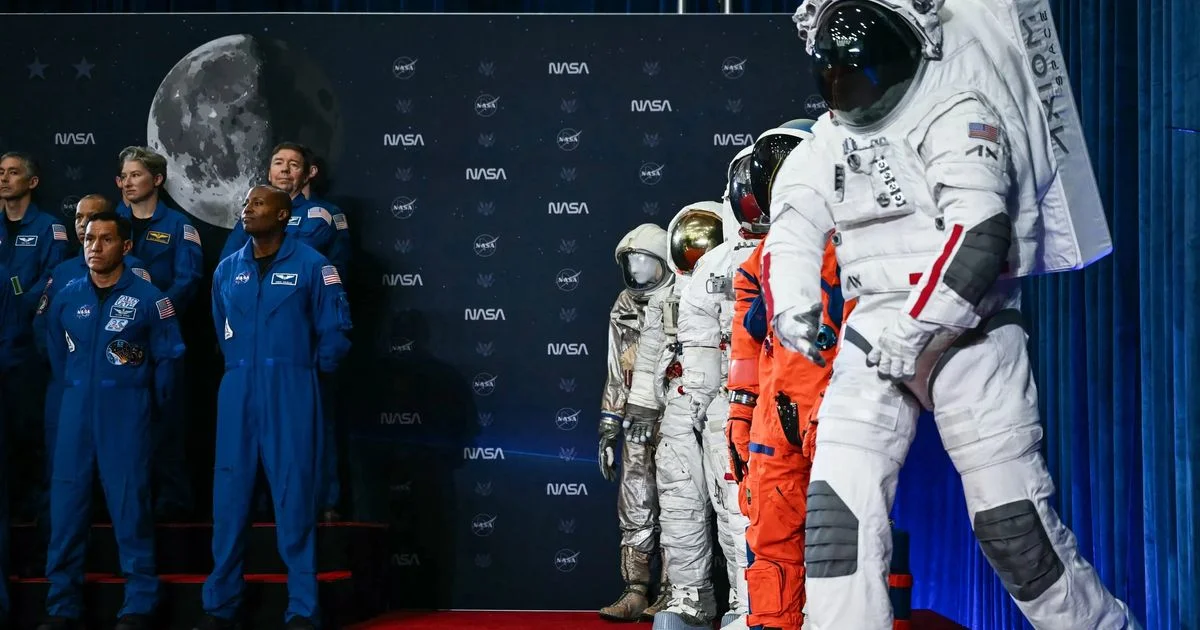
NASA announced Saturday it is accepting applications for its next astronaut candidate class, the first intake since 2024. The agency frames it as staffing for a "golden age of innovation and exploration" — specifically lunar south pole missions and eventual Mars expeditions.
Extraction Map
The numbers tell the real story of how selective this pipeline is. The last recruitment cycle drew over 8,000 applicants and selected exactly 10. That's a 0.125% acceptance rate, roughly ten times harder than getting into Harvard Medical School. Applicants must be U.S. citizens holding a STEM master's degree or equivalent (medical degree, doctoral research, or test pilot school), plus three full years of relevant professional experience. NASA Administrator Jared Isaacman stated that the people selected "may walk on the Moon, live and work at a lunar base, and help pioneer the systems and operations that will eventually send humans to Mars." The language is deliberately expansive — "may" does a lot of heavy lifting in that sentence, but the institutional commitment to sustained crewed exploration appears genuine. The job itself is a study in contrasts. The salary is $164,395 per year — solid by federal pay scale standards, modest by the standards of the STEM talent pool NASA competes with. Successful candidates face drug testing, security background checks, vision screening, psychiatric evaluation, and a water survival qualification. Training lasts two years. The hours are described as "non-standard," and remote work is not an option. NASA expects to announce the new class by the end of 2027. The deeper question is whether NASA's human spaceflight ambitions are structurally funded or rhetorically funded. Recruiting astronauts is the visible, inspirational end of a pipeline that depends on launch vehicles, habitats, life support systems, and sustained congressional appropriations — none of which are guaranteed over the 10-to-20-year timelines these missions require. For the individuals selected, this represents an extraordinary professional opportunity with genuine personal risk. For NASA, it's a talent acquisition move that also functions as a public narrative device — astronaut selection generates media coverage and public enthusiasm that lubricates political support for the broader program. The institutional bet is clear: NASA is building a human exploration workforce for missions that don't yet have firm launch dates. Whether the hardware and funding catch up to the headcount will determine if these astronauts fly to Mars or spend careers in simulators and ISS rotations.
Worth reading?
OPTIONAL
Score
56
/100
Mildly generative — astronaut recruitment builds human capital for exploration missions, but the generative value depends entirely on whether downstream infrastructure (launch systems, habitats, funding) materializes.
What Is GRIN?
GRIN stands for Generativity, Resilience, Innovation efficiency, and Novelty openness. These four dimensions capture the essential characteristics of any memetic intelligence — whether a nation, a corporation, a religion, or a movement.
About GRINGenerativity
3/5
Resilience
2/5
Efficiency
2/5
Novelty
3/5
Extractive
1/5
Inverted
Does this create new capability or just redistribute existing value?
Moderate generative potential. Recruiting elite STEM talent for lunar/Mars missions creates real capability — but only if hardware and funding timelines hold. Without missions, it's credential stockpiling.
Verified Facts (7)
NASA received over 8,000 applications in the last recruitment cycle and selected 10.
Applicants must be U.S. citizens with a STEM master's degree or equivalent and 3 years of relevant experience.
Annual salary is $164,395.
Training lasts 2 years with non-standard working hours and no remote work.
NASA Administrator Jared Isaacman stated selectees 'may walk on the Moon, live and work at a lunar base.'
NASA expects to announce the new astronaut class by end of 2027.
Mars is approximately 140 million miles (225 million km) from Earth.
More latest news
Read all