NASDAQ 100 · 1MO
-14%
NVDA + INTC DROP
~40%
CHIPOTLE · 1MO
+29%
BRK CASH HOARD
$357B
The AI trade has cracked. The Nasdaq 100 fell 14% over the past month, hitting levels not seen since April, dragged down by Nvidia and Intel each plunging roughly 40%. Investors who rode the AI wave up are now scrambling for the exits, and the money is landing in a revealing set of destinations.
Extraction Map
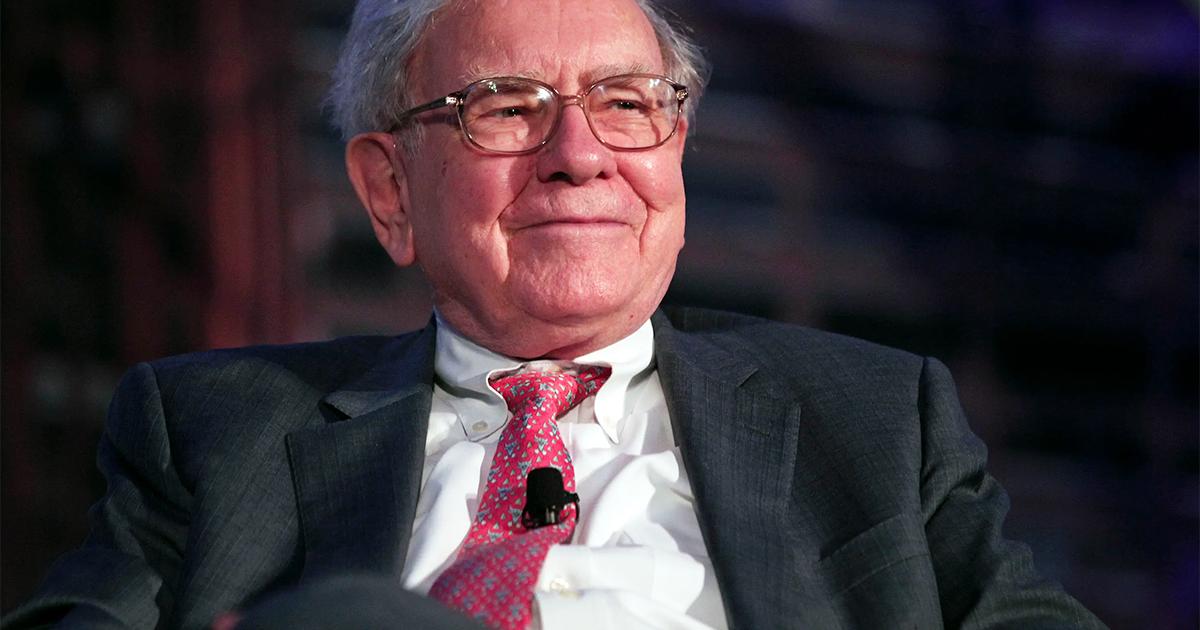
The rotation's winners read like a shopping list for a recession: Walmart (+23%), Chipotle (+29%), Clorox (+21%), Charter (+19%), Tyson Foods (+15%), and Berkshire Hathaway (+14%, hitting all-time highs). These are companies that sell things people buy regardless of economic conditions — groceries, cleaning products, chicken, broadband, and fast-casual burritos. The common thread is not growth but predictability. Berkshire Hathaway sits at the center of the safety trade. The conglomerate held $357 billion in cash and liquid assets as of September 2026 — roughly 30% of its $1.2 trillion market cap. That cash hoard, built under Warren Buffett's six-decade tenure before his departure, functions as a fortress balance sheet that makes Berkshire the default safe harbor when volatility spikes. Russ Mould, investment director at UK platform AJ Bell, frames the shift as capital moving toward "duller sectors" where demand is less sensitive to consumer sentiment and economic cycles. He notes that companies with net-cash balance sheets — where liquid assets exceed interest-bearing debt — are regaining favor, while firms that have been issuing debt and equity to fund AI infrastructure are facing investor anxiety about overextension. The catalysts for the AI selloff extend beyond valuation excess. Concerns about overinvestment in AI infrastructure, the possibility of Democratic legislators constraining data center construction, and persistent inflation pushing interest rates higher have all contributed. The convergence of these pressures turned what might have been a routine correction into a broader crisis of confidence in the AI capex thesis. Walmart's strength is structurally interesting: the retailer not only weathers downturns but actively benefits from them, as consumers trade down from higher-priced competitors. Chipotle's 29% surge suggests investors believe fast-casual dining occupies a similar sweet spot — affordable enough to survive a squeeze on household budgets, branded enough to retain pricing power. The durability of this rotation is the open question. Defensive trades built on fear tend to reverse quickly when sentiment shifts. If AI earnings materialize or inflation cools, the same capital could rush back to tech just as abruptly. For now, the market is pricing in a world where selling chicken and bleach looks safer than selling the future.
Worth reading?
SKIP
Score
36
/100
Extractive at both ends — the AI bubble extracted from retail investors on the way up via momentum and hype, and the defensive rotation extracts from AI-exposed workers and firms on the way down. No new value is being created; existing capital is sloshing between buckets.
What Is GRIN?
GRIN stands for Generativity, Resilience, Innovation efficiency, and Novelty openness. These four dimensions capture the essential characteristics of any memetic intelligence — whether a nation, a corporation, a religion, or a movement.
About GRINGenerativity
1/5
Resilience
3/5
Efficiency
2/5
Novelty
1/5
Extractive
3/5
Inverted
Does this create new capability or just redistribute existing value?
Zero generativity. Capital is moving from one set of existing assets to another. No new products, capabilities, or markets are being created by the rotation itself — pure portfolio rebalancing.
Verified Facts (12)
Nasdaq 100 fell 14% over the past month, hitting April lows as of November 20 close
Nvidia and Intel each dropped approximately 40%
Walmart stock up 23% since end of September
Berkshire Hathaway stock up 14% since end of September, hitting all-time highs in mid-November
Chipotle stock up 29% over the past month
Clorox stock up 21% over the past month
Charter stock up 19% over one month
Tyson Foods stock up 15% over the past month
Berkshire held $357 billion in cash and liquid assets as of September 2026
Berkshire market cap at $1.2 trillion
Warren Buffett led Berkshire from 1965 to 2025
Russ Mould is investment director at AJ Bell
More latest news
Read all