20s AT RISK
50%+
ALL-AGE RISK
41%
SAFE TEMP
40°C
SAFE DURATION
10 min
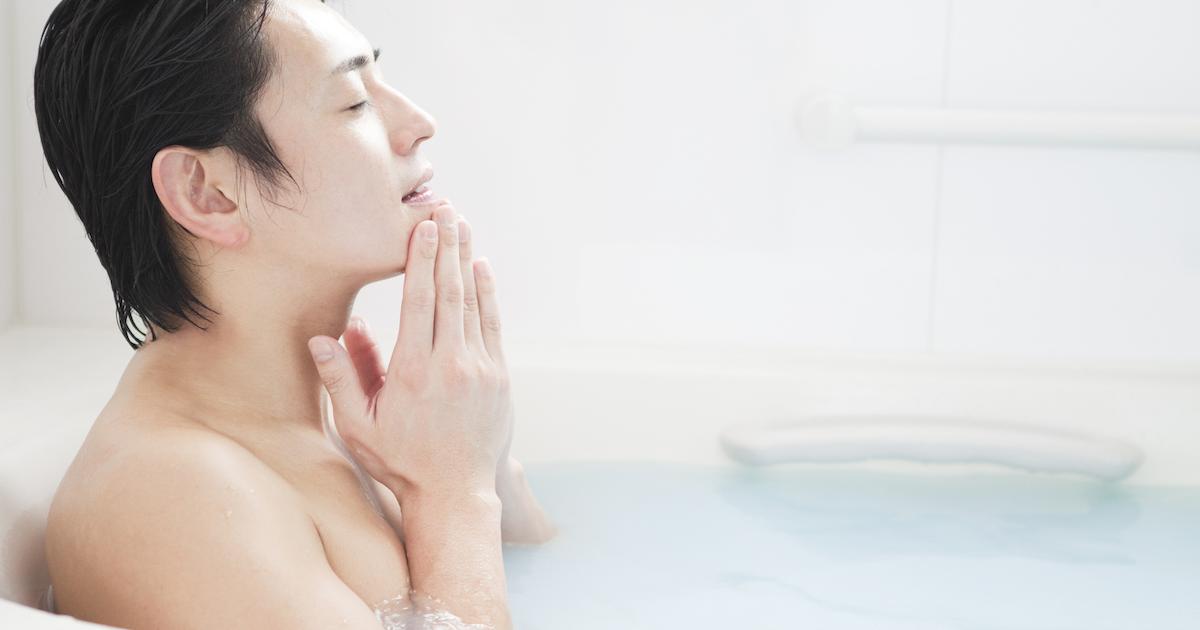
Heat shock — the cardiovascular crisis triggered by rapid temperature swings between cold changing rooms and hot bathwater — kills and hospitalizes thousands in Japan every winter. It is overwhelmingly framed as an elderly person's problem. New survey data supervised by Tokyo City University professor Shinya Hayasaka suggests that framing is dangerously incomplete: more than half of respondents in their 20s qualified as "heat shock reserves" based on their bathing habits.
Extraction Map
The survey, commissioned by gas appliance manufacturer Rinnai, used a 10-item diagnostic checklist developed by Hayasaka. Items include entering the bath without telling family members, tolerating a cold bathroom without pre-warming, immediately submerging in hot water without acclimation, bathing in water above 42°C, continuing to soak after sweating begins, bathing right after meals, and bathing with a fever of 37.5°C or higher. Five or more checked items places the respondent in the risk zone. Across all age groups, 41% qualified. Hayasaka distinguishes two mechanisms. "Peak-type" heat shock is the well-known pattern: blood pressure spikes in a cold changing room, spikes further in very hot water, then crashes as vessels dilate — producing the wild oscillation that triggers stroke or cardiac arrest. This is most dangerous for those with aged or hardened arteries. "Valley-type" heat shock, however, targets younger and lower-blood-pressure individuals: standing up from the tub releases water pressure on the body while vessels are already dilated, causing a sudden blood pressure drop that can produce fainting, falls, and drowning. The recommended bathing protocol is what Hayasaka calls the "cost-performance type": 40°C water for approximately 10 minutes. This minimizes both heat shock and overheating risk. For those who prefer longer soaks, the advice is to lower the water temperature or reduce water volume. The "hot-blooded type" — high temperature, short duration — carries significant blood pressure spike risk, though Hayasaka notes a narrow exception: young people with low blood pressure may benefit from a brief hot bath after morning hydration to boost daytime alertness. The most dangerous profile is the "stoic type" — high temperature, long duration. Counterintuitively, prolonged hot soaking triggers the body's cooling response, making the bather more susceptible to chilling after exiting. If someone insists on this pattern, Hayasaka recommends breaking the soak with rest periods or switching to half-body immersion. The structural issue here is information asymmetry wrapped in cultural habit. Japanese bathing culture normalizes long, hot soaks as restorative, and public health messaging on heat shock targets the elderly almost exclusively. The survey data suggests a generation of young bathers is accumulating cardiovascular stress events without recognizing them as warning signs — standing dizziness after bathing being the clearest red flag. Rinnai's commercial interest is obvious: it sells bathroom heating systems that would mitigate temperature differentials between living spaces and bathrooms. But the underlying medical claims are supervised by a credentialed specialist, the diagnostic checklist is specific and actionable, and the core public health gap — young people don't think heat shock applies to them — is real and measurable.
Worth reading?
OPTIONAL
Score
48
/100
Mildly generative — real safety information reaches an underserved demographic, but the delivery vehicle is a corporate survey designed to sell bathroom heating equipment.
What Is GRIN?
GRIN stands for Generativity, Resilience, Innovation efficiency, and Novelty openness. These four dimensions capture the essential characteristics of any memetic intelligence — whether a nation, a corporation, a religion, or a movement.
About GRINGenerativity
3/5
Resilience
2/5
Efficiency
2/5
Novelty
2/5
Extractive
2/5
Inverted
Does this create new capability or just redistribute existing value?
Creates genuine awareness that heat shock risk extends to young adults. The 10-item checklist and two-mechanism explanation are actionable knowledge, not just marketing copy.
Verified Facts (10)
41% of all survey respondents qualified as heat shock reserves
Over 50% of respondents in their 20s qualified as heat shock reserves
Survey supervised by Tokyo City University professor Shinya Hayasaka
Survey commissioned by Rinnai
Recommended safe bathing: 40°C for 10 minutes ("cost-performance type")
10-item diagnostic checklist; 5 or more checks indicates risk
Valley-type heat shock caused by blood pressure drop when standing from tub
Peak-type heat shock caused by blood pressure oscillation between cold rooms and hot water
42°C or above further promotes blood pressure spikes
Article originally published December 18, 2024, republished November 11, 2026
More latest news
Read all