GLOBAL ENERGY SHARE
80%
USE SINCE 1950
8×
PARIS PARTIES
194
WARMING LIMIT
1.5°C
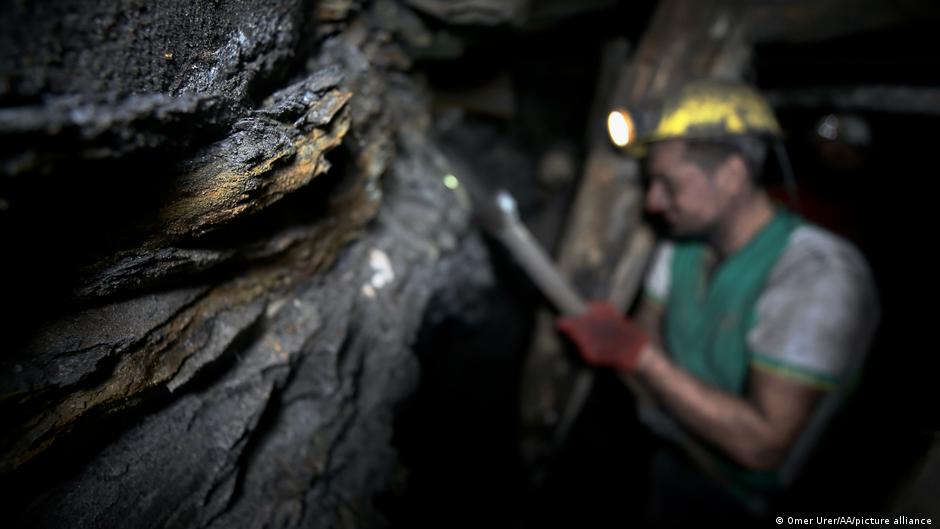
Fossil fuels — coal, oil, and natural gas — are carbon-hydrogen compounds formed over hundreds of millions of years from decomposed plants, plankton, and algae buried under heat and pressure in the earth's crust. The US, Saudi Arabia, and Russia hold disproportionate reserves. Coal is mined; oil and gas are drilled from reservoirs beneath land and ocean. The geological lottery of where these deposits sit has shaped geopolitics for two centuries.
Extraction Map
Global consumption has increased eightfold since 1950. Today, fossil fuels provide 80% of all energy needs — heating, electricity generation, and transport. They are burned directly in furnaces, converted to steam in power plants to generate electricity, and refined into diesel, gasoline, and kerosene for vehicles, aircraft, and ships. Natural gas is also compressed for buses and cars. Beyond energy, fossil fuels are feedstock for entire material economies. Steel production depends on coke derived from coal. Plastics are produced by refining crude oil and gas. The modern built environment, from infrastructure to consumer goods, is structurally dependent on these hydrocarbons in ways that extend far beyond the tailpipe. The cost ledger is unambiguous. Burning fossil fuels is by far the largest contributor to climate change, releasing CO2 that traps atmospheric heat. With 2025 officially one of the warmest years on record, the consequences are materializing: melting polar ice, intensifying floods, droughts, wildfires, and storms. Air pollution from combustion causes millions of premature deaths annually — a cost externalized onto populations who often benefit least from fossil energy. Scientists stress the need to limit warming to 1.5°C above pre-industrial levels, as codified in the 2015 Paris Agreement, now with 194 parties. Progress has been too slow; overall emissions continue to rise. Three years after COP28 in Dubai produced an agreement to transition away from fossil fuels, COP29 in Brazil failed to reach consensus on a concrete plan. Brazil has since presented a roadmap to convert that pledge into national action plans. UN Secretary-General António Guterres put the political reality plainly: "It is long past time to stop treating the transition away from fossil fuels as taboo or intractable." The statement targets the structural inertia — incumbent industries, petrostates, and captured regulatory systems — that treats the status quo as a default rather than a choice. The core extraction dynamic is straightforward. A concentrated set of producer states and corporations capture the revenue from fossil fuel sales. The costs — climate disruption, health damage, infrastructure destruction — are distributed globally and borne disproportionately by the poorest and most climate-vulnerable populations. This is not a market failure in the conventional sense; it is a subsidy structure where the atmosphere serves as an unpriced waste dump and future generations absorb the compounding debt.
Worth reading?
SKIP
Score
16
/100
Extractive — fossil fuels generate enormous economic value but externalize catastrophic climate and health costs onto the global commons, with benefits concentrated among producer states and incumbent corporations while costs fall on vulnerable populations and future generations.
What Is GRIN?
GRIN stands for Generativity, Resilience, Innovation efficiency, and Novelty openness. These four dimensions capture the essential characteristics of any memetic intelligence — whether a nation, a corporation, a religion, or a movement.
About GRINGenerativity
1/5
Resilience
1/5
Efficiency
1/5
Novelty
1/5
Extractive
5/5
Inverted
Does this create new capability or just redistribute existing value?
Historically generative — powered industrial civilization. Now net-destructive: each unit of fossil energy produces diminishing marginal returns against compounding climate and health costs that erode the gains.
Verified Facts (11)
Fossil fuels provide 80% of our energy needs through heating, electricity generation and transport.
Use of fossil fuels has increased eight-fold since 1950.
2025 officially one of the warmest years on record.
Scientists stress the need to limit global warming to 1.5 degrees Celsius (2.7 degrees Fahrenheit).
The 2015 Paris Agreement currently has 194 parties.
Three years after countries agreed at COP28 in Dubai to transition away from coal, oil and gas.
Brazil has now presented a roadmap aimed at turning that promise into national plans.
The pollution from burning fossil fuels causes millions of premature deaths every year.
UN Secretary-General Antonio Guterres said: 'It is long past time to stop treating the transition away from fossil fuels as taboo or intractable.'
The US, Saudi Arabia and Russia have bigger reserves than others.
Steel is formed using a coal-derived material called coke; plastic is produced by refining and processing crude oil and gas.
More latest news
Read all