GLOBAL OIL VIA HORMUZ
~20%
STRAIT REOPENING
Months
INFRA REPAIR
Years
CRISIS CYCLE
50yr
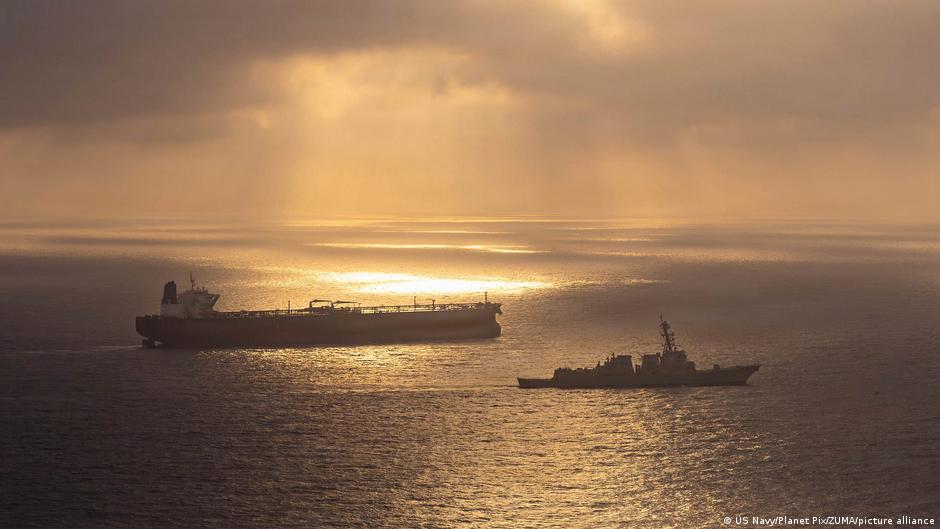
The conventional narrative frames the US-Iran confrontation as a binary: war or peace, crisis or relief. The energy reality is more stubborn. Even if diplomats deliver a deal tomorrow, the Strait of Hormuz cannot be switched back on like a tap. Experts warn that reopening the strait and repairing damaged infrastructure could take months or years — a timeline that decouples the energy crisis from the diplomatic one.
Extraction Map
The Strait of Hormuz remains the world's most consequential chokepoint, channeling roughly 20% of global oil supply through a narrow passage vulnerable to mines, debris, and insurance risk. Physical reopening is only the first step; maritime insurers must reclassify the corridor, shipping companies must redeploy tankers, and port infrastructure on both sides must be assessed for damage. Each layer adds weeks to months of delay. Supply chain disruption compounds the problem. Refineries that shut down do not restart instantly — cold-start procedures, safety inspections, and feedstock procurement create their own bottleneck. Countries that pivoted to alternative suppliers during the crisis will have locked in contracts that won't unwind on a political schedule. The growing energy and supply chain crisis is unlikely to ease even if the US and Iran step back from the brink. The cost distribution is starkly asymmetric. Oil-importing nations — particularly in Europe and South and Southeast Asia — absorb the price shock while oil-exporting states outside the conflict zone capture windfall revenues. Consumers and manufacturers at the end of the chain bear the full friction cost of rerouting, repricing, and rationing, while commodity traders and alternative suppliers extract margin from the disruption. This pattern reveals a structural fragility that predates the current conflict. Decades of underinvestment in energy diversification, strategic reserves, and refining capacity left import-dependent economies with no buffer. The crisis didn't create the vulnerability — it exposed it. The political response so far has been reactive fiscal transfers (fuel subsidies, emergency rebates) rather than structural investment in redundancy. The policy window is narrow. If governments treat a ceasefire as the end of the crisis rather than the beginning of a multi-year recovery, they will miss the only moment when public urgency aligns with the political capital needed for real infrastructure reform. The pattern of the last fifty years — crisis, relief, complacency, repeat — is the default trajectory unless something structurally changes. Experts are right to decouple the diplomatic timeline from the energy timeline. The former is measured in weeks of negotiation; the latter in months of logistics and years of capital investment. Anyone waiting for a peace deal to fix their energy bill is waiting for the wrong signal.
Worth reading?
SKIP
Score
20
/100
Extractive — the crisis redistributes wealth from energy-importing consumers and manufacturers to commodity traders, alternative suppliers, and oil-exporting states, with no generative capacity created.
What Is GRIN?
GRIN stands for Generativity, Resilience, Innovation efficiency, and Novelty openness. These four dimensions capture the essential characteristics of any memetic intelligence — whether a nation, a corporation, a religion, or a movement.
About GRINGenerativity
1/5
Resilience
1/5
Efficiency
1/5
Novelty
1/5
Extractive
4/5
Inverted
Does this create new capability or just redistribute existing value?
Value destruction, not creation. No new energy capacity, infrastructure, or supply diversification emerges from the crisis. Fiscal transfers (subsidies, rebates) merely redistribute existing resources under duress.
Verified Facts (2)
The growing energy and supply chain crisis is unlikely to ease even if the US and Iran step back from the brink
Experts warn that reopening the Strait of Hormuz and repairing infrastructure could take months or years
More latest news
Read all