MUSK NET WORTH
$1T+
DAY-ONE POP
+25%
PAPER TRILLIONAIRE
1st
WESTERN LAUNCH MONOPOLY
1
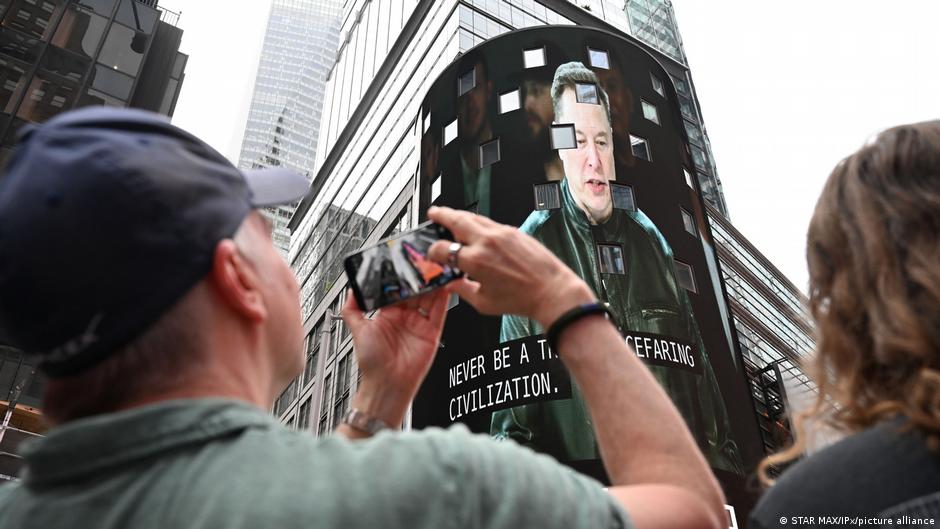
SpaceX has floated on the Nasdaq stock exchange, with shares climbing more than 25% above the opening price on the first day of trading. The listing makes Elon Musk the world's first paper trillionaire, at least by market capitalization — a threshold no individual has previously crossed.
Extraction Map
The milestone is as much about concentration as achievement. Musk's trillion-dollar status rests on controlling stakes across SpaceX, Tesla, xAI, and other ventures. But SpaceX is the crown jewel: it operates the only reliable high-cadence launch system in the Western world, holds the dominant position in satellite internet via Starlink, and is the sole commercial provider currently ferrying NASA astronauts to the International Space Station. The IPO converts that operational monopoly into liquid capital. Public markets are now pricing SpaceX not as a launch company but as an infrastructure monopoly with government-contract revenue, consumer broadband ambitions, and a long-dated Mars optionality premium. The 25%+ first-day pop signals institutional demand was badly underserved at the offering price — meaning early investors and insiders captured the spread, while public buyers paid the markup. The generativity case is real but narrow. SpaceX has genuinely reduced launch costs by an order of magnitude, enabled a new satellite economy, and forced legacy aerospace (ULA, Arianespace, Roscosmos) to either adapt or concede. Starship, if it delivers on full reusability, could unlock interplanetary logistics. These are capabilities that did not exist a decade ago. But the extraction pattern is equally real. A single individual now holds decisive control over Western orbital access, military launch infrastructure, battlefield communications (Starlink's role in Ukraine established the precedent), and a growing share of global internet connectivity. The IPO doesn't create new capability — it monetizes existing dominance and converts operational leverage into financial leverage. Public shareholders get exposure but no governance power in a structure designed to preserve founder control. The resilience implications are the most concerning on a 20-year horizon. National space programs, military communications, and civilian internet access increasingly route through one company controlled by one person whose political activities and erratic public behavior introduce non-diversifiable risk. No democratic process approved this concentration. It emerged from genuine engineering excellence, favorable contracting, and regulatory forbearance — but the structural outcome is a single point of failure for critical infrastructure. The trillion-dollar number will dominate headlines. The structural question beneath it — whether democratic societies can tolerate this degree of infrastructure concentration in private hands, regardless of the founder's competence — is the one that matters.
Worth reading?
SKIP
Score
32
/100
Extractive. The IPO converts an existing operational monopoly over critical infrastructure into concentrated private wealth, without creating new capability or distributing governance power to public shareholders.
What Is GRIN?
GRIN stands for Generativity, Resilience, Innovation efficiency, and Novelty openness. These four dimensions capture the essential characteristics of any memetic intelligence — whether a nation, a corporation, a religion, or a movement.
About GRINGenerativity
2/5
Resilience
1/5
Efficiency
2/5
Novelty
2/5
Extractive
4/5
Inverted
Does this create new capability or just redistribute existing value?
SpaceX genuinely created new launch capability and slashed costs. But the IPO itself generates nothing new — it monetizes existing dominance. The generative work happened years ago; this is the harvest.
Verified Facts (3)
SpaceX has floated on the Nasdaq stock exchange
Shares climbing more than 25% above the opening price
This makes Musk the world's first paper trillionaire, at least by market capitalization
More latest news
Read all