GLOBAL OIL · HORMUZ
20%
STRAIT WIDTH
~21 mi
MINE-CLEAR TIME
Months
RISK PREMIUM RESET
∞
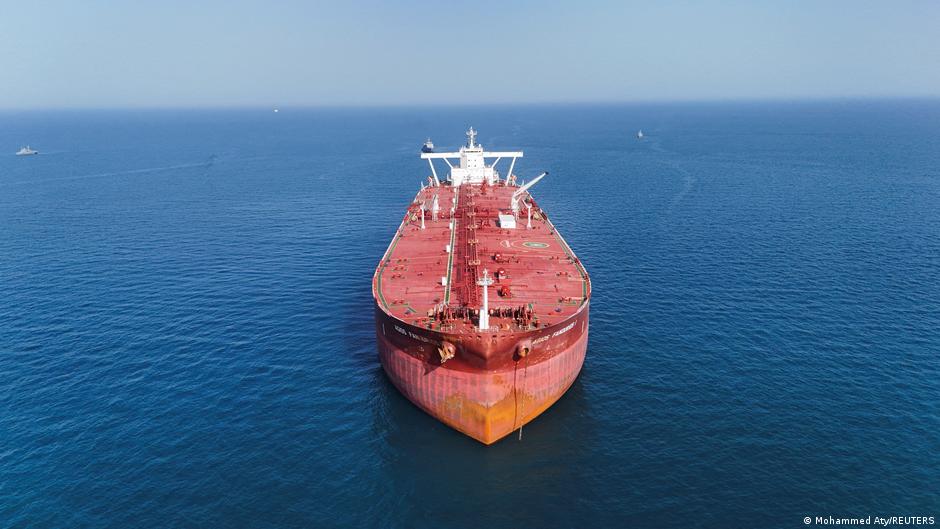
The Strait of Hormuz is the single most consequential bottleneck in global energy logistics — roughly 20% of the world's oil passes through a channel narrow enough that a handful of naval mines can shut it down. A proposed US-Iran deal to reopen the strait is generating optimism in oil futures and shipping boardrooms. The optimism is premature.
Extraction Map
The physical problem comes first. Naval mines do not disappear when diplomats shake hands. Mine-clearing operations in contested waters are slow, dangerous, and expensive. The US Navy's mine countermeasure fleet is small and aging. Even under best-case conditions — full Iranian cooperation, no spoiler attacks from proxy forces — clearing the strait to commercial-shipping safety standards takes weeks to months, not days. Then comes the insurance layer. War-risk premiums on vessels transiting the strait spiked when the closure began, and they will not snap back to pre-crisis levels on a press release. Insurers price tail risk, and the tail risk here is obvious: the deal could collapse, Iran could re-mine, a regional escalation could reignite the crisis overnight. Shipping companies face a choice between paying elevated premiums or rerouting around the Cape of Good Hope — both of which keep freight costs elevated for global consumers. The geopolitical overhang is the deepest layer. A US-Iran deal on Hormuz does not resolve the underlying tensions that produced the closure. It addresses a symptom. The structural incentives for Iran to weaponize the strait remain intact as long as the broader confrontation continues. Every future crisis will carry the demonstrated precedent that Hormuz can be closed — and that precedent permanently raises the risk premium on Gulf-origin energy. For oil markets, the deal creates a ceiling on panic pricing but not a floor on elevated costs. Brent crude may retreat from crisis peaks, but the pre-closure price equilibrium is gone. Traders now price in a nonzero probability of re-closure at all times. That probability premium flows through to refined products, petrochemicals, and anything that moves by ship. The beneficiaries of this liminal state are identifiable: defense contractors supplying mine-clearance and naval escort capabilities, alternative energy-route infrastructure (pipelines bypassing the strait), and insurance underwriters collecting elevated premiums. The cost-bearers are equally clear: energy-importing economies, shipping companies eating margin compression, and consumers at the end of every supply chain that touches Gulf oil. The honest read is that reopening Hormuz is necessary but radically insufficient. The strait's vulnerability has been demonstrated, and that demonstration cannot be un-demonstrated. Global energy logistics now operate in a permanently higher-risk environment, and the friction costs of that risk will be distributed — unevenly — for years.
Worth reading?
SKIP
Score
20
/100
Extractive. The crisis and its half-resolution concentrate costs on energy importers and consumers while generating windfall value for insurers, defense contractors, and alternative-route operators.
What Is GRIN?
GRIN stands for Generativity, Resilience, Innovation efficiency, and Novelty openness. These four dimensions capture the essential characteristics of any memetic intelligence — whether a nation, a corporation, a religion, or a movement.
About GRINGenerativity
1/5
Resilience
1/5
Efficiency
1/5
Novelty
1/5
Extractive
4/5
Inverted
Does this create new capability or just redistribute existing value?
No new capability created. A deal merely attempts to restore pre-crisis baseline. The demonstrated vulnerability permanently destroys value by raising the global risk premium on Gulf energy transit.
Verified Facts (2)
A proposed US-Iran deal to reopen the Strait of Hormuz is raising hopes for global shipping and oil markets
Naval mines, high insurance costs and geopolitical risks mean disruption could persist for months
More latest news
Read all