GLOBAL OIL · HORMUZ
~20%
STABILIZATION LAG
Months
CHOKEPOINT · STRAIT
1
The prospect of a US-Iran deal to end the war and reopen the Strait of Hormuz has triggered predictable optimism about a swift return to normal energy markets. The optimism is premature. The chokepoint may reopen, but the damage pattern it revealed — a global energy system with catastrophic single-point-of-failure architecture — will take far longer to unwind than the war itself.
Extraction Map
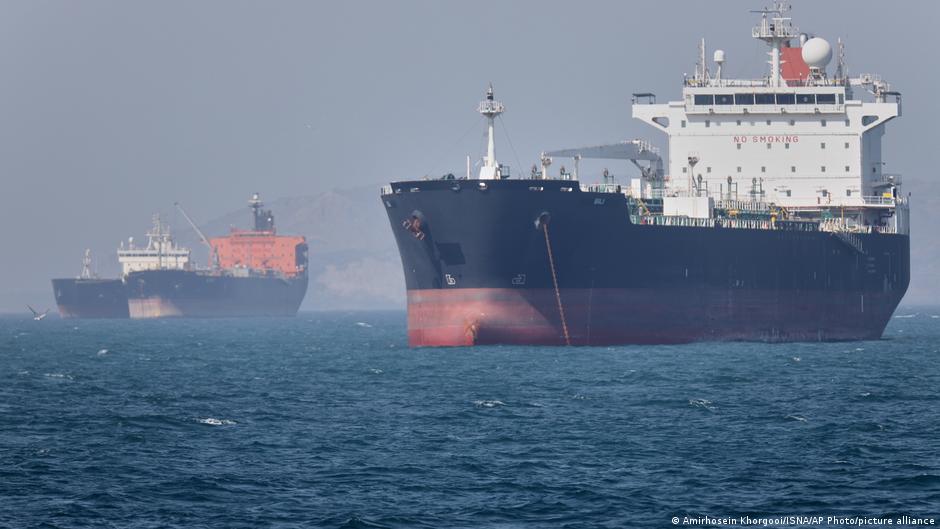
The Strait of Hormuz handles roughly 20% of the world's oil supply on any given day. Its closure during the Iran conflict didn't just spike prices; it exposed how little redundancy exists in global energy logistics. Pipeline alternatives are limited, strategic petroleum reserves were drawn down, and refinery systems optimized for specific crude grades couldn't simply switch inputs. The supply chain isn't a pipe you turn back on — it's a complex system that needs to re-equilibrate. Even with a deal in place, the timeline for stabilization stretches months, not weeks. Shipping lanes require de-mining and insurance re-rating. Port infrastructure in the Gulf needs inspection and repair. Tanker fleets that scattered to alternative routes must reposition. Contracts written during the crisis — at crisis prices — have to expire or be renegotiated. Every step has friction, and every friction point has someone extracting margin. The beneficiaries of slow stabilization are not hard to identify. Trading houses that accumulated positions during the crisis profit from volatility on the way down just as they did on the way up. Alternative energy exporters — the US, Norway, West Africa — who gained market share during the closure face no incentive to accelerate the return of Gulf supply. Insurance and shipping companies will re-rate Hormuz transit at permanently higher premiums, embedding a war tax into global energy costs for years. Consumers and energy-importing economies bear the cost on both ends: price spikes during the crisis, then a slow bleed as stabilization friction gets passed through. Governments that deployed emergency fiscal packages — fuel subsidies, rebates, price caps — now face the political problem of unwinding those transfers without triggering backlash. The crisis created constituencies for intervention that will outlast the crisis itself. The structural lesson is stark. The global energy system was already fragile before Iran; the war simply made the fragility undeniable. A deal restores flow but does nothing to address concentration risk. Twenty percent of global oil through a single waterway was a known vulnerability for decades. The war was the stress test. The system failed. The real question isn't whether the energy crisis ends soon. It's whether anyone builds the redundancy that would prevent the next one. History suggests they won't — cheap oil will return, urgency will fade, and the same chokepoint will sit waiting for the next geopolitical shock.
Worth reading?
SKIP
Score
20
/100
Extractive — the crisis concentrated value toward traders, alternative exporters, and shipping intermediaries while consumers absorbed price shocks on the way up and friction costs on the way down.
What Is GRIN?
GRIN stands for Generativity, Resilience, Innovation efficiency, and Novelty openness. These four dimensions capture the essential characteristics of any memetic intelligence — whether a nation, a corporation, a religion, or a movement.
About GRINGenerativity
1/5
Resilience
1/5
Efficiency
1/5
Novelty
1/5
Extractive
4/5
Inverted
Does this create new capability or just redistribute existing value?
Near-zero generativity. Reopening Hormuz restores prior capacity, creates nothing new. No investment in alternative routes, renewables acceleration, or redundancy emerges from this cycle.
Verified Facts (2)
A US-Iran deal to end the war and reopen the Strait of Hormuz could ease the global energy crunch
Oil prices and supplies may take months to stabilize as shipping restarts and infrastructure recovers
More latest news
Read all