KILLED · KARAK
7
WOUNDED
34
POPULATION AFFECTED
10M
PLATFORM BAN SINCE 2022
2nd
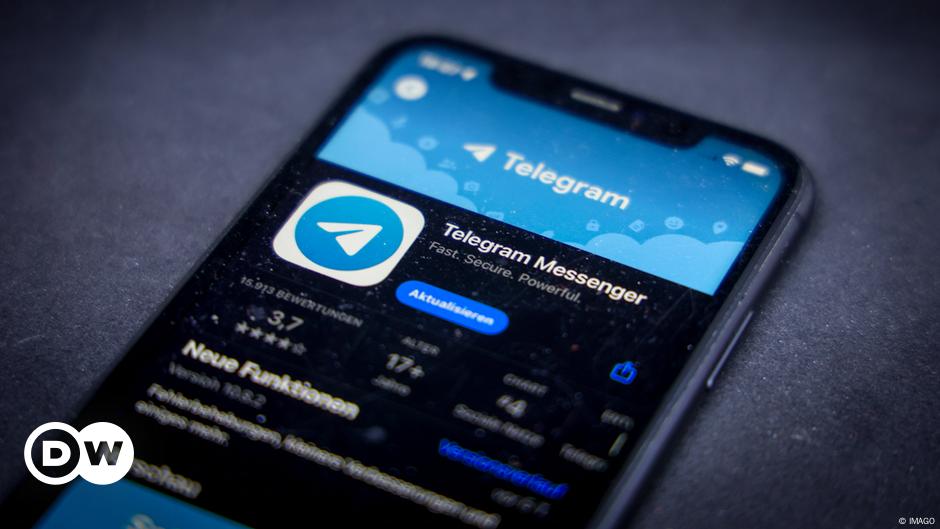
Jordan banned Telegram on Monday, citing the need to protect society from "extremism and radicalisation" following a deadly October 23 shooting at a Greek Orthodox church in Karak governorate that killed seven people and wounded 34. The Public Security Directorate framed the move as a national security imperative, linking Telegram's encrypted channels to the coordination infrastructure of groups like the so-called Islamic State.
Extraction Map
This is not Jordan's first platform ban. In December 2022, authorities blocked TikTok over videos they claimed "promoted killing and chaos." The pattern is now established: a violent incident triggers a platform-level shutdown, justified by content concerns, with no public evidence tying the specific attack to the specific platform's unique affordances. The ban arrived days after a Jordanian court sentenced three men to death by hanging for the church attack, identifying them as "followers of a hardline Islamist ideology." Jordan also responded militarily, launching airstrikes on neighbouring Syria and claiming to have killed 20 IS militants — while acknowledging civilian casualties. The combination of kinetic strikes, death sentences, and a messaging-app ban constitutes a three-pronged response calibrated more for domestic political signalling than for dismantling recruitment networks, which migrate across platforms faster than governments can ban them. Telegram's relationship with state authority is genuinely complicated. IS has used the platform for propaganda and operational coordination for years. Russian-born founder Pavel Durov, now based in Dubai, was charged by Russia in July with "aiding terrorist activities" — an accusation he rejects, arguing Telegram has exceeded its moderation obligations. Durov describes himself as a libertarian and has repeatedly clashed with governments demanding backdoor access. The structural problem with platform bans as counterterrorism is well-documented: encrypted communication migrates to alternatives (Signal, Briar, mesh networks, or Telegram itself via VPN), while ordinary citizens — journalists, activists, businesses — lose access to a primary communication tool. Jordan's population of 10 million includes a Christian community of roughly 3% that such security measures ostensibly protect, but the ban's costs fall on the entire population. Jordan remains a relatively stable US ally in the Middle East, maintaining diplomatic and military ties with Israel and hosting one of the world's oldest Christian communities. That stability depends on a social contract that balances security with civic space. Each platform ban narrows that space without producing measurable security gains — a pattern that, extended over decades, erodes the trust infrastructure that keeps Jordan stable in the first place. The core question is not whether Telegram hosts extremist content — it does — but whether a national ban is the right tool. Content moderation, channel takedowns, and intelligence cooperation with platform operators target the problem. Blanket bans target the symptom and impose costs on everyone.
Worth reading?
SKIP
Score
20
/100
Extractive. A blanket ban removes communication infrastructure from 10 million people to address a threat that will migrate to other platforms within days, concentrating information control in the state while distributing costs across the entire population.
What Is GRIN?
GRIN stands for Generativity, Resilience, Innovation efficiency, and Novelty openness. These four dimensions capture the essential characteristics of any memetic intelligence — whether a nation, a corporation, a religion, or a movement.
About GRINGenerativity
1/5
Resilience
1/5
Efficiency
1/5
Novelty
1/5
Extractive
4/5
Inverted
Does this create new capability or just redistribute existing value?
Destroys communication capacity for an entire population without generating new security capability. Extremist networks migrate; ordinary users lose tools. Net negative value creation.
Verified Facts (10)
Jordan announced a ban on Telegram after a deadly attack on a church last month
Shooting on October 23 at a Greek Orthodox church in the southern Karak governate killed seven people and wounded 34
Jordan organised airstrikes on neighbouring Syria and said it had killed 20 so-called Islamic State militants
The government also acknowledged that a number of civilians had been killed in the strikes
A Jordanian court sentenced three men to death by hanging on Sunday in connection with the attack
In December 2022, Jordan also banned TikTok over videos authorities claimed promoted killing and chaos
Christians make up around 3% of Jordan's population of 10 million
In July, Russia said it had charged Durov with aiding terrorist activities
Pavel Durov describes himself as a libertarian
Durov argues that Telegram has gone beyond its obligations in moderating content and assisting authorities in tackling crime
More latest news
Read all