US CASES · 2026
5,400+
VS 2024 CASES
19×
US KINDER VAX
92%
BRAZIL CASES · 2026
70
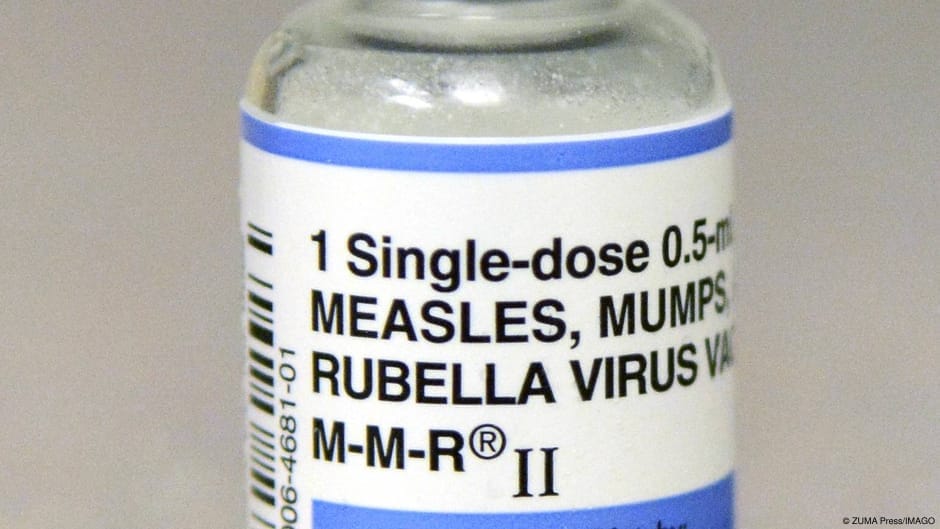
The United States lost its measles elimination status on November 17, 2026, alongside Mexico, after the Pan American Health Organization confirmed the same viral strain had circulated domestically for over 12 months. The country recorded more than 5,400 cases in 2026 — 19 times the 2024 figure. Nearly every patient was unvaccinated or of unknown vaccination status. This was not a surprise. Epidemiologists had flagged the risk months earlier, warning that "amnesia" about measles severity was eroding uptake.
Extraction Map
Brazil offers the structural counter-example. After losing its own measles-free status in 2019 with over 21,000 cases, Brazil rebuilt its defenses and regained elimination status within five years — during the COVID-19 pandemic, no less. It has held that status since 2024 and recorded only 70 cases in 2026, all traced to imported infections from Peru. The difference is operational speed and infrastructure, not population willingness. Brazil's protocol demands case reporting within 24 hours, investigation within 48, and ring vaccination within 72. Its "Dia S" program sends health workers door-to-door — schools, daycares, churches — hunting for unreported illness. Mass vaccination days ("Dia D") target border regions. In 2026, Brazil administered over 16 million measles vaccine doses and donated 500,000 to Peru. Even so, only 76% of Brazilian children received both required doses in 2025, well below the 95% threshold epidemiologists consider necessary given measles' extraordinary R0 of up to 18. The US problem is structural, not just attitudinal. Before COVID-19, 95% of American kindergartners had measles shots. That figure has dropped to 92%, leaving roughly 280,000 kindergartners unprotected. The gap is not evenly distributed: in Texas counties where the 2025 outbreak began, coverage was as low as 77%. In 24 states, religious and personal exemption rates are so high that reaching the 95% threshold is mathematically impossible even if every non-exempt child gets vaccinated. The federal policy environment compounds the problem. President Trump's August 2026 executive order listed measles vaccination in the top recommended category for children — a sound technical position. But Health Secretary Robert F. Kennedy Jr. has repeatedly opposed measles vaccination, recommending vitamin A instead. In Texas, this advice led to children hospitalized with toxic vitamin A levels and no measles protection. The mixed signaling corrodes public trust at exactly the moment clear communication matters most. The math is unforgiving. Measles vaccine provides 97% protection after two doses — not 100%. That 3% residual vulnerability means community protection depends on near-universal uptake. One school at 70% coverage creates a viable outbreak epicenter regardless of the national average. The virus lingers airborne for two hours after a sick person leaves a room and spreads for four days before the rash appears. One in five unvaccinated US patients who contract measles is hospitalized, and the disease suppresses immune function for years afterward. Globally, the picture is mixed but instructive. The EU cut cases from 35,000 in 2024 to 2,300 in 2025. Hungary, at 99% childhood vaccination, has had zero cases. Romania dropped from 30,000 to 4,200. Sudan, despite active war, raised first-dose coverage by 22 percentage points — the world's largest gain. Meanwhile, Africa reported nearly 1,800 measles deaths in 2026, with the Democratic Republic of Congo accounting for 1,650. The Americas recorded 58,000 cases total, four times the 2025 figure. The lesson from Brazil and Hungary is identical: operational discipline and political consistency beat rhetoric.
Worth reading?
SKIP
Score
28
/100
Extractive — anti-vaccination rhetoric and exemption loopholes concentrate political benefit for a few actors while distributing disease risk across millions of unprotected children and immunocompromised people.
What Is GRIN?
GRIN stands for Generativity, Resilience, Innovation efficiency, and Novelty openness. These four dimensions capture the essential characteristics of any memetic intelligence — whether a nation, a corporation, a religion, or a movement.
About GRINGenerativity
2/5
Resilience
1/5
Efficiency
2/5
Novelty
1/5
Extractive
4/5
Inverted
Does this create new capability or just redistribute existing value?
Brazil's model is generative: 16M doses, door-to-door surveillance, cross-border donation. The US federal response — mixed messaging, no rapid-response protocol — destroys capability rather than building it.
Verified Facts (11)
On November 17, 2026, the Pan American Health Organization (PAHO) said the US had lost its measles elimination status, along with Mexico.
Brazil had only had 70 measles cases in 2026, all linked to infections brought in from abroad, often from neighboring Peru.
Before the COVID-19 pandemic, 95% of US kindergartners had their measles shots. Now, it's 92%, according to the US Centers for Disease Control and Protection (CDC). That leaves about 280,000 kindergartners unprotected.
In 24 states, so many children were exempt that those states couldn't reach the 95% threshold even if every other child got vaccinated.
The US has had more than 5,400 cases in 2026, more than twice as many as in all of 2025, and about 19 times as many as in 2024.
Brazil has so far provided more than 16 million doses of the measles vaccine in 2026 and has donated 500,000 doses to Peru.
Health Secretary Robert F. Kennedy Jr. has often declared opposition to vaccination, including against measles, advising people to take vitamin A instead. In Texas, this led to children being hospitalized with toxic levels of the supplement.
In the Texas counties, where a 2025 measles outbreak began, coverage was as low as 77% at the time.
Hungary, where 99% of children are vaccinated, there have been no measles cases in the past year.
Sudan, despite the war, raised first-dose measles coverage by 22 percentage points in 2025, which was the world's largest gain.
African Union countries have so far reported nearly 1,800 measles deaths in 2026, about 1,650 of them in Democratic Republic of Congo.
More latest news
Read all