PAGES IN BILL
~500
MAX EMISSION CUT · 2040
4%
HOUSEHOLD SAVINGS/YR
$41–$66
QUEUE BACKLOG
2,600 GW
The Bipartisan American Affordability and Jobs Act is a nearly 500-page overhaul of how the United States permits energy infrastructure. It would speed up environmental reviews, simplify transmission-line construction, make permits harder to revoke, and force data centers to pay for the grid upgrades they consume. The bill has cleared the Senate with cross-party support and now faces a House vote before the new Congress takes office in 2027. President Trump backs it.
Extraction Map
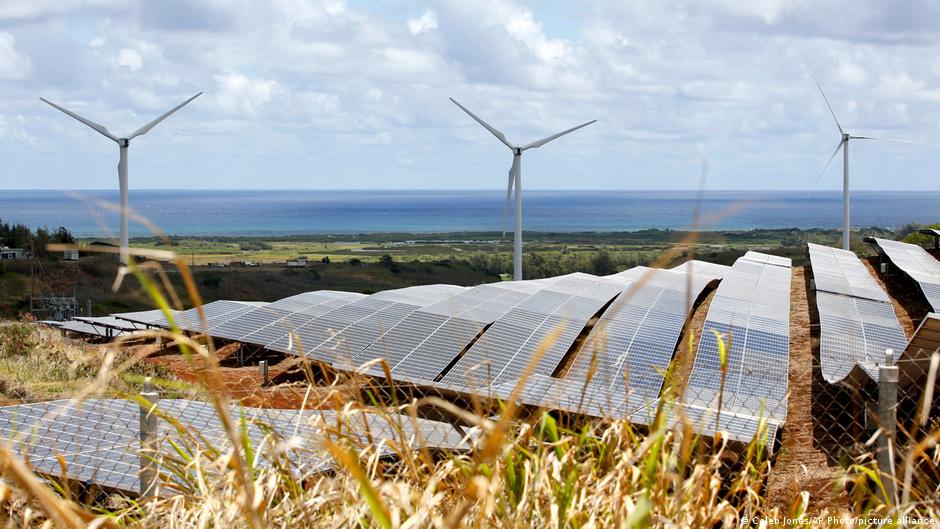
The core tension is structural: BAAJA is technology-agnostic. The same streamlined process that lets a solar farm connect to the grid in two years instead of seven also lets a gas pipeline move faster. The Rhodium Group, an independent research firm, found the bill would lower US greenhouse gas emissions by up to 4% by 2040 in every scenario it modeled. Purdue University engineer Kevin Kircher reached the opposite conclusion — a roughly 2% emissions increase — because his non-peer-reviewed analysis assumes the bill disproportionately accelerates fossil fuel production. The divergence is not about the bill's text; it is about which administration is signing the permits. On household bills, the claims are real but modest. The White House Council of Economic Advisers estimates savings of $178 to $251 per household per year, but that figure covers only faster environmental reviews and comes with no timeline. The Rhodium Group's independent estimate is more conservative: $41 to $66 per household by 2035, driven mostly by new transmission lines carrying cheaper power and by shifting data-center grid costs off residential ratepayers. Critics, including Oil Change International, note these are relative savings — electricity demand from data centers will push bills up regardless, and permitting reform merely slows the rise. The environmental coalition is split but mostly opposed. The Sierra Club called the bill "fundamentally flawed." Earthjustice warned that provisions making federal permits harder to revoke would lock in decisions by any administration — Arctic drilling authorized under Trump could not be reconsidered by a successor, but neither could a future president easily halt clean energy projects. The provision is a double-edged sword that rewards whoever holds power when permits are granted. The one provision drawing near-universal praise is the transmission-line overhaul. The windiest and sunniest places in the US are often hundreds of miles from the cities that need power, and building long-distance lines currently takes a decade or more. BAAJA would streamline that process — a genuinely generative move that unlocks stranded renewable capacity. Without transmission, solar panels in West Texas and wind farms in the Dakotas are expensive ornaments. Some Democrats want to wait until January 2027, when they control Congress, to pass a cleaner version focused on renewables. That gamble carries its own risk: any bill still requires Trump's signature. The permitting bottleneck is real and getting worse — the interconnection queue for US power projects now exceeds 2,600 gigawatts, more than double total installed capacity. Delay has its own cost. The bill's ultimate climate impact is not written in its text but in the political economy of its implementation. A technology-neutral fast lane is generative when the market favors the cheapest electrons — which are increasingly renewable. It becomes extractive when administrative discretion tilts the queue toward incumbents. BAAJA is a bet that process reform is worth the risk of political capture. Whether that bet pays off depends on elections, not engineering.
Worth reading?
RECOMMENDED
Score
64
/100
Mixed — genuinely generative on transmission and process reform, but technology-neutral design means the generative or extractive outcome is determined by which administration controls implementation, not by the bill itself.
What Is GRIN?
GRIN stands for Generativity, Resilience, Innovation efficiency, and Novelty openness. These four dimensions capture the essential characteristics of any memetic intelligence — whether a nation, a corporation, a religion, or a movement.
About GRINGenerativity
3/5
Resilience
3/5
Efficiency
4/5
Novelty
3/5
Extractive
2/5
Inverted
Does this create new capability or just redistribute existing value?
Real generative potential in transmission buildout and queue clearing. But technology-neutral design means fossil incumbents can ride the same fast lane as renewables, diluting net value creation.
Verified Facts (7)
The Rhodium Group found the bill would lower US greenhouse gas emissions in every scenario it ran, by up to 4% in 2040 compared with no bill.
Purdue University engineer Kevin Kircher estimates domestic emissions would rise by about 2%; his analysis has not been peer-reviewed.
The White House Council of Economic Advisers estimates it would eventually cut the average household's electricity bill by $178 to $251 a year.
The Rhodium Group estimates the bill's passage would save the average household $41 to $66 a year by 2035.
The Sierra Club called it 'fundamentally flawed.'
BAAJA has already cleared the Senate and now faces a vote in the House of Representatives.
The bill is backed by US President Donald Trump.
More latest news
Read all