N. MACEDONIA VETO LIMBO
17 yrs
CROATIA DEMAND
€2.4B
STATES BLOCKING SERBIA
8
NEW MEMBERS SINCE 2013
0
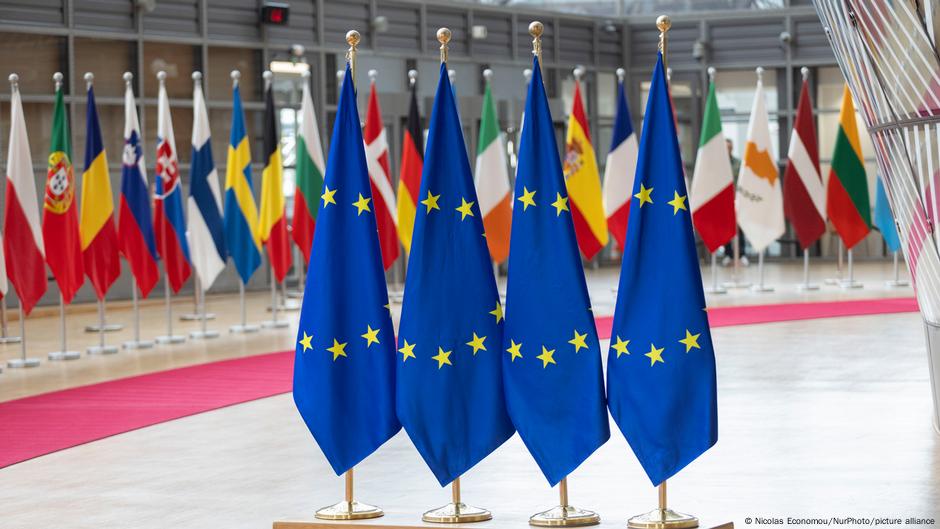
The European Union has not admitted a new member since Croatia joined in 2013. Montenegro, population 620,000, is the closest to the door — EU Enlargement Commissioner Marta Kos announced in October that accession could happen by early 2028. Within weeks, Croatia threatened a veto unless Montenegro satisfies eight demands, several rooted in 1990s Yugoslav War grievances including €2.4 billion for former Yugoslav People's Army assets.
Extraction Map
The pattern is now structural, not exceptional. Croatia is blocking closure of three already-negotiated chapters with Montenegro. Hungary obstructed Ukraine's candidacy under Viktor Orbán, ostensibly over Hungarian minority rights in Transcarpathia but functionally as an election campaign tool — anti-Ukrainian sentiment polls well in Hungary. New Prime Minister Peter Magyar has softened the posture slightly, lifting temporary blocks after Ukraine passed a minority-education law in October, but the leverage architecture remains intact. North Macedonia holds the record for veto paralysis: candidate status since 2005, accession talks not opened until July 2022. Greece blocked negotiations for 13 years over the country's name, extracted a full name change to "Republic of North Macedonia" in 2018-19, and was immediately replaced by Bulgaria, which disputes the existence of a distinct Macedonian language and nation. Former President and current Prime Minister Rumen Radev fueled the Bulgarian escalation for domestic political positioning. Serbia, negotiating since 2014, faced opposition from eight member states — including Croatia — when it sought to open further chapters in July. Democratic backsliding and rule-of-law concerns are the stated reasons, but bilateral war-era disputes over missing persons, war crimes, and historical interpretation layer on top. Albania, a candidate since 2014 with negotiations opened in 2022, faces Greek threats over property rights of the Greek minority. The common mechanism across every case is the same: domestic electoral incentives in existing member states convert enlargement vetoes into cost-free political signaling. Croatian PM Andrej Plenkovic, regularly accused of being too pro-EU, uses the Montenegro dispute to perform nationalist credibility. Orbán used Ukraine to energize his base. Radev used North Macedonia to build his profile. The candidate country absorbs all the cost; the vetoing government captures all the domestic benefit. The European Commission proposed reform in early October: qualified majority voting for decisions to open negotiations, plus a requirement that new members forgo vetoes in certain policy areas for a specified period. The reform is structurally sound in principle. The problem is fatal in practice — adopting it requires unanimity. Any member state currently benefiting from veto leverage can veto the reform that would remove it. This is a textbook institutional trap: the dysfunction protects itself. The 20-year trajectory is a bloc that talks about enlargement while its own rules make enlargement functionally impossible for any candidate with a neighbor inside the EU. Western Balkan countries remain in permanent candidacy, their reform incentives eroding as the accession promise loses credibility. The geopolitical cost — these countries drifting toward Russian, Chinese, or Turkish influence — is diffuse and long-term, which means no single election cycle prices it in.
Worth reading?
SKIP
Score
20
/100
Extractive — the veto system allows individual member states to convert collective enlargement decisions into zero-cost domestic political capital, with all costs borne by candidate countries and EU institutional credibility.
What Is GRIN?
GRIN stands for Generativity, Resilience, Innovation efficiency, and Novelty openness. These four dimensions capture the essential characteristics of any memetic intelligence — whether a nation, a corporation, a religion, or a movement.
About GRINGenerativity
1/5
Resilience
1/5
Efficiency
1/5
Novelty
1/5
Extractive
4/5
Inverted
Does this create new capability or just redistribute existing value?
Net negative. Vetoes freeze candidate countries in reform limbo, destroying the accession incentive structure that drove previous enlargements. No new capability is created; existing political capital is consumed.
Verified Facts (13)
Croatia was the last country to join the EU in 2013.
Montenegro has a population of just 620,000.
EU Enlargement Commissioner Marta Kos announced in October that Montenegro could join the EU in early 2028.
Croatia is blocking the closure of three chapters that have already been negotiated.
Croatia is demanding payment of about €2.4 billion for assets that belonged to the Yugoslav People's Army.
North Macedonia was granted EU candidate status in 2005 but only began accession negotiations in July 2022.
Greece blocked the start of negotiations for 13 years over the name 'Republic of Macedonia.'
Bulgaria blocked the opening of talks with North Macedonia in November 2020.
Serbia has been negotiating EU accession since 2014.
No less than eight EU member states opposed opening further negotiating chapters with Serbia in July.
The EU opened accession negotiations with Albania in July 2022; Albania has been a candidate since 2014.
The European Commission proposed in early October that decisions to open negotiations be made by qualified majority rather than unanimously.
New EU members would be required to give up the right to veto decisions in certain policy areas for a specified period under the proposal.
More latest news
Read all