REQUESTED
$2.8B
AVAILABLE (12%)
$342M
DISBURSED
$0
PLEDGES RECEIVED
~50%
The Loss and Damage Fund was the marquee diplomatic achievement of COP27 in 2022, born from the moral argument that the countries least responsible for climate change should not bear the financial cost of its consequences. Two and a half years later, the fund has disbursed precisely nothing.
Extraction Map
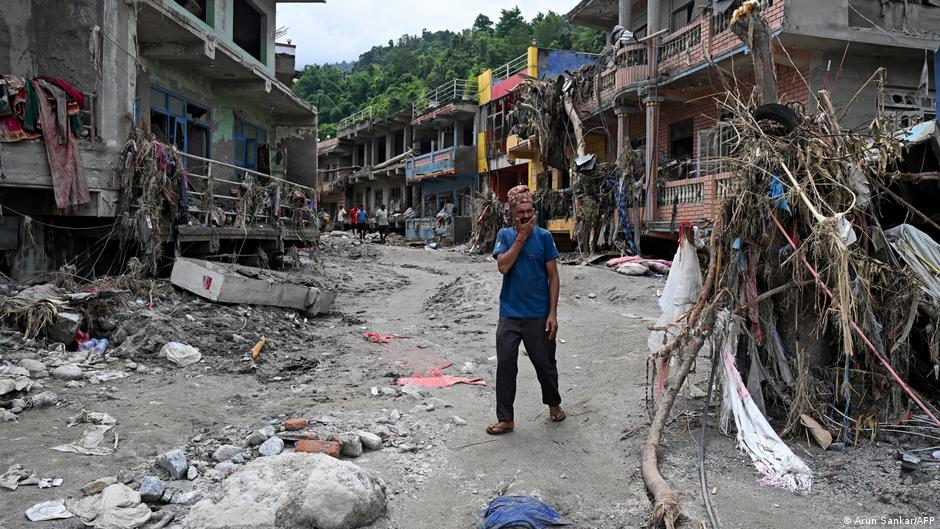
The numbers tell the structural story. The fund received $2.8 billion in urgent requests in its first call for funding. It had $342 million available — roughly 12 cents on the dollar. Even that figure overstates capacity: only about half of pledged money had actually arrived by this summer. The European Commission formalized a €25 million contribution at COP31 in Antalya, and Spain added €15 million, but the pipeline remains a trickle against the flood of need. Nepal is the designated first recipient, with $21.6 million provisionally earmarked after a catastrophic glacier collapse in August that killed more than 1,500 people, with 5,600 still missing. The money has not moved. Nepal must first submit a detailed funding proposal explaining how it will spend the allocation — a bureaucratic requirement imposed on a government in the middle of a disaster response. Nepal already has a second proposal pending for Kathmandu floods and eastern hill landslides. Neither has been acted on. Pakistan — the country whose 2022 floods affecting 33 million people created the political momentum for the fund's creation — has received nothing. Minister of State Shezra Mansab Ali Khan Kharal confirmed to DW that Pakistan has submitted two projects and was told the cap is $200 million. "We haven't seen anything on the ground at all as yet," Kharal said. The country that built the case for the fund has been told to wait in line. The debt dimension compounds the extraction. As Abid Qaiyum Suleri of SDPI in Islamabad noted, other forms of climate aid frequently arrive as loans, converting climate disasters into sovereign debt. Pakistan's position is explicit: grants, not loans. For a heavily indebted country absorbing climate shocks it did not cause, the form of the money is as consequential as the amount. Sixteen-year-old Rasel Babu traveled from the sandbars of Bangladesh's Brahmaputra to Antalya to address COP31 delegates. His testimony — "the floodwater swallows everything" — lands against a backdrop where the institutional response to that swallowing is a funding proposal template. Nepali climate finance expert Bibek Raj Kandel warned plainly: unless the fund speeds up, it's "going to disappoint many, many countries." The architecture is now clear. The fund exists as a diplomatic achievement, not an operational one. Rich nations pledged enough to claim moral credit at successive COPs without delivering enough to change outcomes on the ground. The bureaucratic intake process ensures that urgency is absorbed by procedure. The result is a system where the most climate-vulnerable populations subsidize the credibility of the global climate regime with their patience, their proposals, and their ongoing losses.
Worth reading?
SKIP
Score
16
/100
Extractive. The fund converts the political energy and moral claims of vulnerable nations into diplomatic credibility for wealthy donors, while delivering zero dollars to affected populations. Bureaucratic friction is the extraction mechanism.
What Is GRIN?
GRIN stands for Generativity, Resilience, Innovation efficiency, and Novelty openness. These four dimensions capture the essential characteristics of any memetic intelligence — whether a nation, a corporation, a religion, or a movement.
About GRINGenerativity
0/5
Resilience
1/5
Efficiency
1/5
Novelty
1/5
Extractive
4/5
Inverted
Does this create new capability or just redistribute existing value?
Zero new capability created. No money disbursed, no disaster response enabled. The fund generates diplomatic optics for donors while producing nothing for recipients on the ground.
Verified Facts (11)
Fund received $2.8 billion in urgent requests in first call for funding, with only $342 million available
Only about half of the money currently pledged had been received by this summer
European Commission signed a €25 million contribution agreement at COP31
Spain pledged an additional €15 million
Nepal's first emergency response: $21.6 million provisionally set aside after glacier collapse killing more than 1,500 people with 5,600 more missing
Pakistan 2022 floods affected 33 million people and killed more than 1,730
Pakistan told the cap is $200 million and has submitted two projects
16-year-old Rasel Babu traveled from Bangladesh to Antalya to speak at COP31
Bibek Raj Kandel is a Nepali climate finance expert
Abid Qaiyum Suleri is Executive Director of SDPI in Islamabad
Shezra Mansab Ali Khan Kharal is Pakistan's Minister of State for Climate Change
More latest news
Read all