COUNTS GUILTY
10/12
VICTIM FIRMS
5
POTENTIAL FINES
$B+
YEARS OF CONDUCT
20+
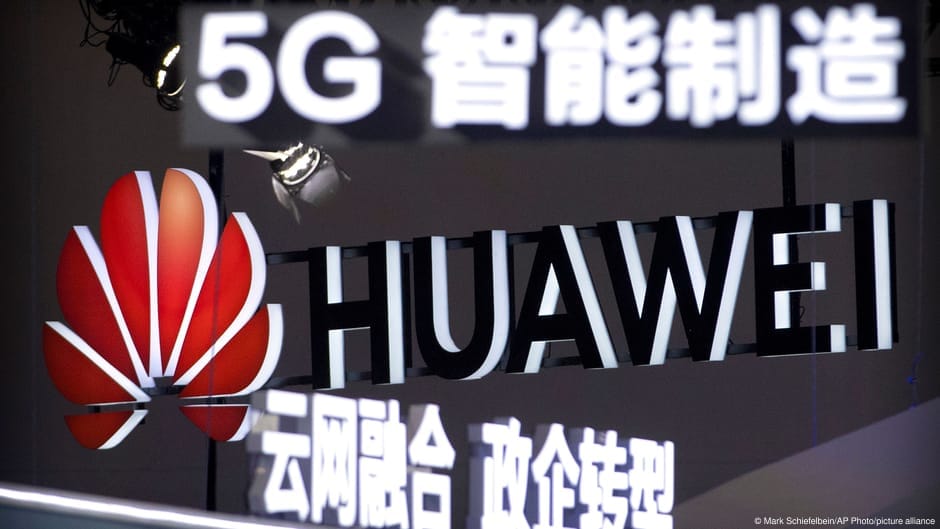
A federal jury in Brooklyn convicted Huawei Technologies on 10 of 12 criminal counts Tuesday, capping a prosecution that spans decades of alleged intellectual property theft and sanctions evasion. The guilty counts included stealing trade secrets, bank fraud, wire fraud, and violating US sanctions by conducting business in Iran and North Korea while lying to banks and government officials about it. The jury acquitted Huawei on two charges: racketeering and conspiring to obstruct justice.
Extraction Map
The trade secret theft was granular and brazen. Prosecutors detailed episodes including a Huawei employee sneaking into a competitor's booth at a Chicago trade fair to photograph circuitboards, routers shipped containing a rival's source code, and a robotic arm physically removed from a competitor's lab for measurement. Named victims include Cisco Systems, Motorola Solutions, T-Mobile, Quintel USA, and Fujitsu. The stolen IP covered router source code, user manuals, antenna technology, and robotic testing systems. The sanctions dimension is equally pointed. Prosecutors established that Huawei conducted business in countries under US sanctions — Iran and North Korea — then made false statements to US officials and financial institutions to conceal the activity. Attorney General Todd Blanche stated that "for decades, Huawei and three of its subsidiaries conducted their business in the United States on the basis of lies and theft." US Attorney Joseph Nocella called the conduct "a decades-long pattern of endangering US national security." Huawei denied the charges even after the verdict. The company argued the five trade secret disputes "were all civil matters that were resolved over the past two decades" and that "no court ever found Huawei liable for willful intellectual property misappropriation." Defense lawyer Brian Heberlig confirmed the company will appeal. The distinction Huawei draws — between civil resolutions and criminal liability — will be the crux of their appellate argument. The conviction is the latest escalation in a broader Western effort to contain Huawei's market access. The company has been banned from selling networking equipment to US and allied telecom carriers for years. But Huawei's consumer electronics division has continued growing, and its networking business outside the Western bloc remains substantial. The verdict constrains Huawei's legal position but does not necessarily shrink its global footprint. Sentencing is scheduled for September 2026. Potential penalties reach into the billions of dollars. The practical question is whether financial penalties change Huawei's behavior or simply become a cost of doing business for a company backed by the Chinese state. The appeal will test whether criminal prosecution can accomplish what export controls and entity-list designations have only partially achieved. The deeper pattern here is jurisdictional: the US is using criminal law to enforce trade-secret norms and sanctions compliance against a company that operates primarily outside US jurisdiction. The effectiveness of this approach depends entirely on whether the penalties actually bite — and whether China retaliates through its own legal or trade mechanisms.
Worth reading?
SKIP
Score
24
/100
Extractive on both sides: Huawei extracted IP from US firms for decades; the US now extracts legal leverage but creates no new productive capacity. The conviction is enforcement, not generation.
What Is GRIN?
GRIN stands for Generativity, Resilience, Innovation efficiency, and Novelty openness. These four dimensions capture the essential characteristics of any memetic intelligence — whether a nation, a corporation, a religion, or a movement.
About GRINGenerativity
1/5
Resilience
2/5
Efficiency
1/5
Novelty
1/5
Extractive
4/5
Inverted
Does this create new capability or just redistribute existing value?
Zero new capability created. This is backward-looking enforcement of existing rules against past theft. No new technology, market, or productive capacity emerges from the verdict itself.
Verified Facts (11)
Jury in Brooklyn federal court found Huawei guilty on 10 of 12 criminal counts
Huawei acquitted on two charges of racketeering and conspiring to obstruct justice
US Attorney General Todd Blanche: 'For decades, Huawei and three of its subsidiaries conducted their business in the United States on the basis of lies and theft'
A Huawei employee slipped into a competitor's booth at a Chicago trade fair to photograph circuitboards
Huawei sold routers containing source code from a rival company
A Huawei employee removed a robotic arm from a competitor's lab for photographing and measuring
Victim companies included Cisco Systems, Motorola Solutions, T-Mobile, Quintel USA and Fujitsu
Huawei did business in countries subject to US sanctions including Iran and North Korea
Defense lawyer Brian Heberlig said: 'We fully expect to appeal'
Huawei is set to be sentenced next September and could face billions of dollars in penalties
US Attorney Joseph Nocella: 'Few crimes are as serious as Huawei's decades-long pattern of endangering US national security'
More latest news
Read all