PORTALS DOWN
48h+
RECORDS STOLEN · AUG
8.7M
SERVICES OFFLINE
3
DWP USERS
~20M
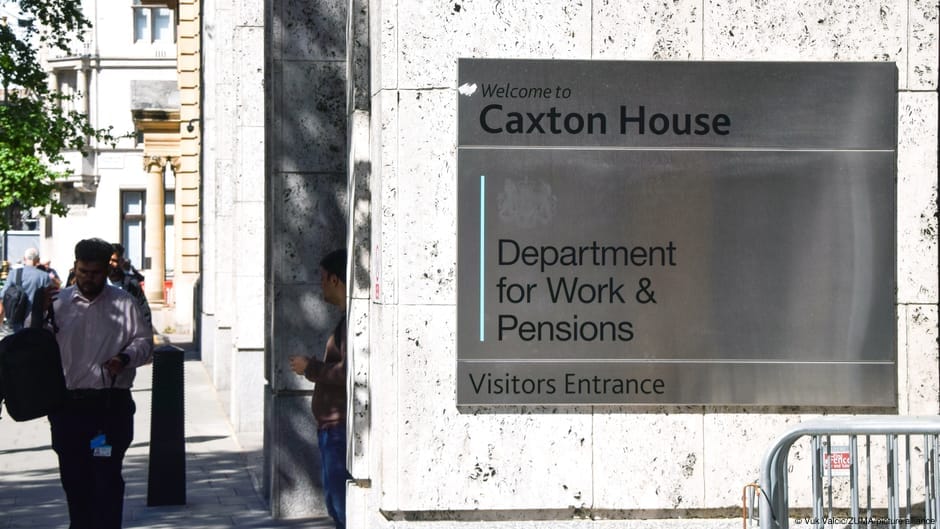
The UK's Department for Work and Pensions confirmed Saturday that an incident detected late Thursday was a deliberate cyberattack — not a glitch, not a drill. Someone attempted unauthorized access to systems that serve millions of the country's most financially vulnerable people. Online portals for state pensions, Universal Credit, and Personal Independence Payment were taken offline as a precaution. Some remained down more than 48 hours later.
Extraction Map
The DWP activated contingency plans and said pension and welfare payments continued as normal despite the disruption. The department is working with the National Cyber Security Centre and the Government Cyber Coordination Centre to investigate and restore services. Officials said there was no evidence personal data had been compromised. Downing Street said no other government departments appeared to have been targeted. The attack lands in a context that makes it more significant than any single incident. British public institutions and businesses have been absorbing cyberattacks at an accelerating clip: the British Library, Transport for London, Marks & Spencer, Jaguar Land Rover, the Co-op, Manchester Airports Group (8.7 million customer records stolen in August), meat suppliers, Next, and Asos have all been hit in recent years. This is not a list of isolated events. It is a pattern. The NCSC warned earlier this month that the UK should prepare for AI-powered cyberattacks targeting critical national infrastructure within the next two years. That warning now reads less like a forecast and more like a description of the present. Meanwhile, MI5 and the Ministry of Defence issued separate warnings this week about increased Russian sabotage attempts targeting UK military suppliers to Ukraine — a reminder that cyber disruption and geopolitical conflict are no longer separate categories. The structural problem is clear: the UK has digitized critical public services without building commensurate cyber resilience. The DWP serves roughly 20 million people through systems that, when attacked, have no seamless digital fallback — only contingency plans that mean reverting to slower, less accessible processes. The people most affected by portal outages are precisely those least able to absorb disruption: pension recipients, disability claimants, and welfare beneficiaries. No attribution has been made public. Investigations are ongoing. The Information Commissioner's Office is in contact with DWP about the incident. But the question that matters is not who did this — it is why the UK's critical public infrastructure keeps proving this vulnerable, and what changes before the next one.
Worth reading?
SKIP
Score
20
/100
Extractive — attackers extract disruption costs from the most vulnerable populations while exposing years of underinvestment in public-sector cyber resilience. The state digitized services to save money but did not invest proportionally in defending them.
What Is GRIN?
GRIN stands for Generativity, Resilience, Innovation efficiency, and Novelty openness. These four dimensions capture the essential characteristics of any memetic intelligence — whether a nation, a corporation, a religion, or a movement.
About GRINGenerativity
1/5
Resilience
1/5
Efficiency
1/5
Novelty
1/5
Extractive
4/5
Inverted
Does this create new capability or just redistribute existing value?
Net destruction. The attack creates zero new capability and forces reversion to slower processes. Any generative value from digitized welfare services is temporarily erased.
Verified Facts (10)
The DWP detected an attempt to gain unauthorized access to its systems late Thursday
Several services, including online portals for state pensions, Universal Credit and Personal Independence Payment (PIP), were taken offline as a precaution
Some remained unavailable as of 5 p.m. local time (1700 GMT) on Saturday
Officials said there was no evidence that personal information had been compromised
Pension and welfare payments continued as normal despite the disruption
Cyberattacks have disrupted operations at the British Library, Transport for London and major retailers including Marks & Spencer, Jaguar Land Rover and the Co-op
A cyberattack in August targeted three British airports belonging to the Manchester Airports Group, resulting in the theft of personal data of 8.7 million customers
The UK's National Cyber Security Centre warned earlier this month that the country should prepare for the possibility of AI-powered cyberattacks targeting critical national infrastructure in the next two years
Downing Street said on Friday, November 27, that there was no evidence other government departments had been targeted
MI5 and the Ministry of Defence this week warned UK military suppliers to Ukraine about an increase in Russian sabotage attempts
More latest news
Read all