DAX · ALL-TIME HIGH
27,000
ADULTS IN DEBT DISTRESS
7.36M
WORKERS · STRIKE THREAT
3.7M
EMPLOYER PAY OFFER · 2028
1.3%
Germany's DAX stock index cleared 27,000 points for the first time on November 12, 2026, powered by a 5% surge in Siemens shares and falling oil prices. The index now trades at roughly double its pre-COVID level. But the headlines beneath the ticker tell a different story — one of industrial contraction, rising household debt, and a labor standoff that could shut down entire sectors.
Extraction Map
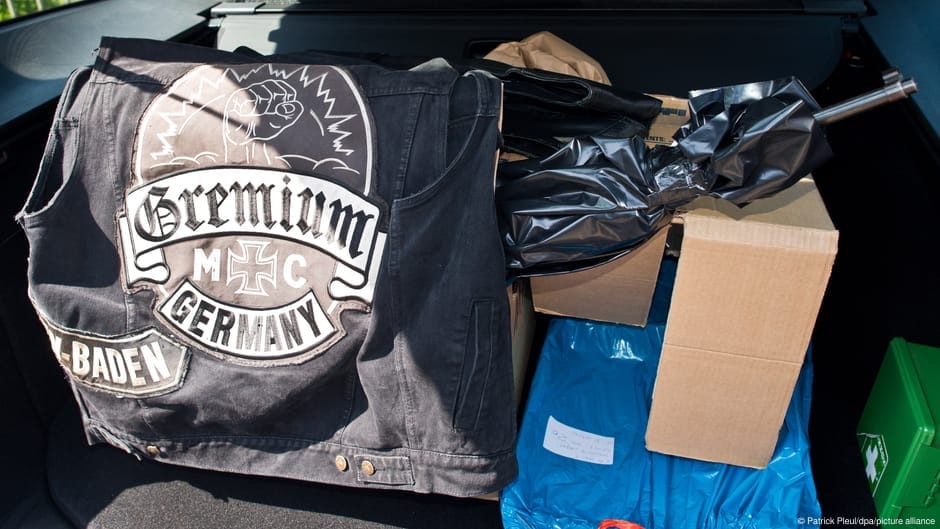
Mercedes-Benz announced it is halting investment at German facilities, with board member Britta Seeger stating the company is "forced to examine, in concrete and detailed terms, which sites in Germany we can still afford to maintain." The luxury automaker joins a broader retreat by German manufacturers, who have been cutting well-paid jobs in recent months while relocating production capacity abroad. IG Metall, Germany's largest industrial union representing 3.7 million metalworking and electronics workers, authorized 24-hour warning strikes after three fruitless negotiation rounds. The union demands a 5% pay increase; employers have offered a one-off payment in 2027 and a 1.3% raise starting summer 2028 — effectively a real-terms pay cut given current inflation. An estimated 464,000 workers already participated in shorter warning strikes earlier in November. Gesamtmetall president Udo Dinglreiter called the escalation "completely excessive," warning hundreds of thousands of jobs could be at risk. Credit bureau Creditreform's 2026 Debtors' Atlas found 10.16% of German adults — 7.36 million people — show early warning signs of excessive debt, up from 9.74% a year ago. Patrik-Ludwig Hantzsch attributed the deterioration to "sharply increased living costs, energy costs and housing costs." The fastest-growing debt cohort is adults under 30, while consumers are increasingly financing even smaller purchases on credit at rising interest rates. Bremen, Berlin, Saxony-Anhalt, and North Rhine-Westphalia have the highest rates; Bavaria and Baden-Württemberg the lowest. In other news, police raided apartments and meeting sites of the "Gremium MC" biker gang across Baden-Württemberg, with the state interior ministry moving to outlaw three sub-chapters: Böblingen, Leonberg, and the "Gremium MC Chapter Nomads Bosphorus Türkiye." Hundreds of officers were deployed in the early-morning operation. Separately, a sauna fire in Papenburg caused at least €10 million in damage to a mixed residential-commercial complex, injuring multiple civilians and first responders. Even Christmas market Glühwein tells the story. Mulled wine prices average €4.60 nationwide, with Munich peaks at €7 per cup, though the year-on-year increase of roughly 1% actually trails overall inflation. Cup deposits range from €1 to €5. The pattern is unmistakable: capital markets celebrate efficiency gains and falling input costs while the productive middle — industrial workers, young debtors, consumers — absorbs the cost of structural adjustment. When Mercedes-Benz halts German investment as its stock rides a market-wide high, the question is not whether Germany's economy is growing, but for whom.
Worth reading?
SKIP
Score
24
/100
Extractive. Capital markets are capturing value from industrial restructuring — job cuts, investment freezes, and real-terms wage offers — while household debt rises and the cost of living erodes purchasing power for 7.36 million Germans.
What Is GRIN?
GRIN stands for Generativity, Resilience, Innovation efficiency, and Novelty openness. These four dimensions capture the essential characteristics of any memetic intelligence — whether a nation, a corporation, a religion, or a movement.
About GRINGenerativity
1/5
Resilience
1/5
Efficiency
2/5
Novelty
1/5
Extractive
4/5
Inverted
Does this create new capability or just redistribute existing value?
Value destruction for workers and households. Mercedes halts domestic investment, well-paid manufacturing jobs vanish, and employers offer a real-terms pay cut. The DAX records mask a shrinking productive base.
Verified Facts (10)
Mercedes-Benz board member Britta Seeger said the company is 'forced to examine, in concrete and detailed terms, which sites in Germany we can still afford to maintain.'
IG Metall is calling for a 5% pay increase for some 3.7 million workers; employers have offered a one-off payment in 2027 coupled with a 1.3% increase starting in the summer of 2028.
Around 464,000 employees took part in the initial wave of warning strikes.
Creditreform finds 10.16% of German adults, or 7.36 million people, exhibit at least early warning signs of excessive debt, up from 9.74% a year ago.
Germany's DAX stock market index cleared the 27,000-point mark for the first time, climbing around 1.3%.
Siemens shares rose by almost 5%, to just over €291 each.
DAX now trades twice as high as it was prior to the COVID pandemic.
Average Glühwein price is around €4.60, with Munich peaking at €7; year-on-year increase roughly 1%.
Sauna fire in Papenburg caused damages worth 'at least €10 million.'
Police raided Gremium MC chapters in Böblingen, Leonberg, and the Gremium MC Chapter Nomads Bosphorus Türkiye.
More latest news
Read all