ELECTRIFICATION TARGET
23→35%
YEARS OF COP TALKS
30+
US FORMAL DELEGATES
0
IPCC BLOCKERS
3
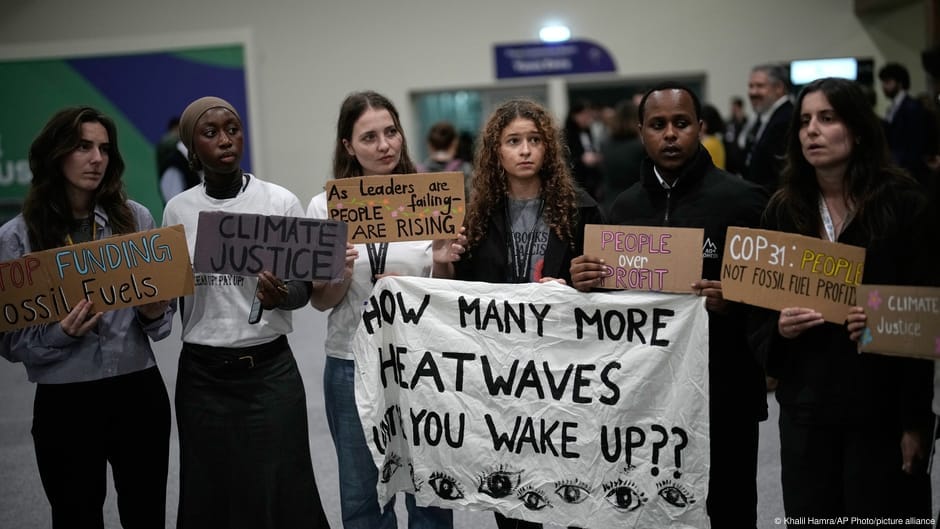
COP31 in Antalya, Turkey, has blown past its Friday deadline with no deal in sight — an annual ritual that long ago stopped being surprising and started being diagnostic. The revised draft political declaration has dropped explicit references to fossil fuels, replacing them with an "electrification" target: raise electricity's share of global energy use from 23% to 35% by 2035. The omission is not accidental. It is the central negotiating concession that fossil fuel producers demanded and received.
Extraction Map
The 35-by-35 target sounds ambitious until you notice what it doesn't say. The draft does not specify that the electricity must come from clean sources. Australia's Climate Minister Chris Bowen called electrification "the key to transitioning away from fossil fuels," but the text as written permits gas-fired and even coal-fired electricity to count toward the target. Multiple delegations are pushing to insert the word "clean" before electrification. Whether they succeed will determine if the target is a pathway or a loophole. The geopolitics are bleak. Russia, Saudi Arabia, and Iran have successfully delayed the IPCC's next round of scientific assessments — the multi-year reports that form the evidentiary backbone of climate negotiations. Without updated science, future COPs negotiate in an information vacuum that benefits the status quo. This is not a side issue. It is a deliberate strategy to slow the ratchet mechanism that Paris created. The United States sent no formal delegation for the second consecutive year under Trump. A group of Democratic lawmakers, mayors, and governors — including 2024 VP candidate Tim Walz — traveled to Antalya to project American climate engagement. The gesture is symbolically important and structurally irrelevant. Subnational actors cannot negotiate binding commitments or deliver on finance pledges. Veteran climate advocate Victor Menotti accused European governments, Germany in particular, of adopting Trump-style tactics: deny, dilute, weaken obligations, then demand more from developing nations. Germany continues to subsidize coal and expand LNG infrastructure while pressing developing countries to report on how they spend climate finance. Uganda's environment minister Beatrice Atim Anywar captured the mood plainly: "We are here begging for funds that are not forthcoming." The Maldives' climate minister Ali Sharif articulated the impossible position of small island states. Rising seas, damaged coral reefs, disrupted fish stocks, and flooding are already reshaping daily life. But switching to renewable energy on small islands carries financial and logistical costs that dwarf available funding. The country needs the transition and cannot afford it — the structural trap that climate finance was supposed to address. Ethiopia, the COP32 host, described the process as a relay rather than a sprint. The metaphor is apt in ways the foreign minister may not have intended: in a relay, dropping the baton means the whole race is lost. After thirty-plus years of negotiations, global greenhouse gas emissions continue to rise. The baton has been fumbled at every handoff.
Worth reading?
SKIP
Score
20
/100
Extractive. The COP process is consuming diplomatic capital, public attention, and developing-nation resources while producing targets calibrated to protect incumbent fossil fuel interests.
What Is GRIN?
GRIN stands for Generativity, Resilience, Innovation efficiency, and Novelty openness. These four dimensions capture the essential characteristics of any memetic intelligence — whether a nation, a corporation, a religion, or a movement.
About GRINGenerativity
1/5
Resilience
1/5
Efficiency
1/5
Novelty
1/5
Extractive
4/5
Inverted
Does this create new capability or just redistribute existing value?
Near-zero generativity. The 35-by-35 electrification target creates no new capability because it doesn't mandate clean sources — it repackages existing energy mix trends as ambition.
Verified Facts (8)
The revised draft declaration highlights electrification of the global economy as a central pillar of the energy transition, aiming to increase electricity's share of global energy use from 23% to 35% by 2035.
Russia, Saudi Arabia and Iran urged delay of the IPCC's next series of multi-year scientific assessments.
The US government sent no formal delegation for the second year in a row under Trump.
Minnesota Governor Tim Walz, the 2024 Democratic vice presidential candidate, traveled to Antalya with the delegation.
Germany is subsidizing quite a bit of coal still and fossil fuels, LNG expansion infrastructure, according to Victor Menotti.
Uganda's environment minister Beatrice Atim Anywar stated: 'We are here begging for funds that are not forthcoming.'
Ethiopia's foreign minister Gedion Timothewos confirmed Addis Ababa's intentions to host COP32.
Australian Climate Minister Chris Bowen said: 'Electrification is the key to transitioning away from fossil fuels.'
More latest news
Read all