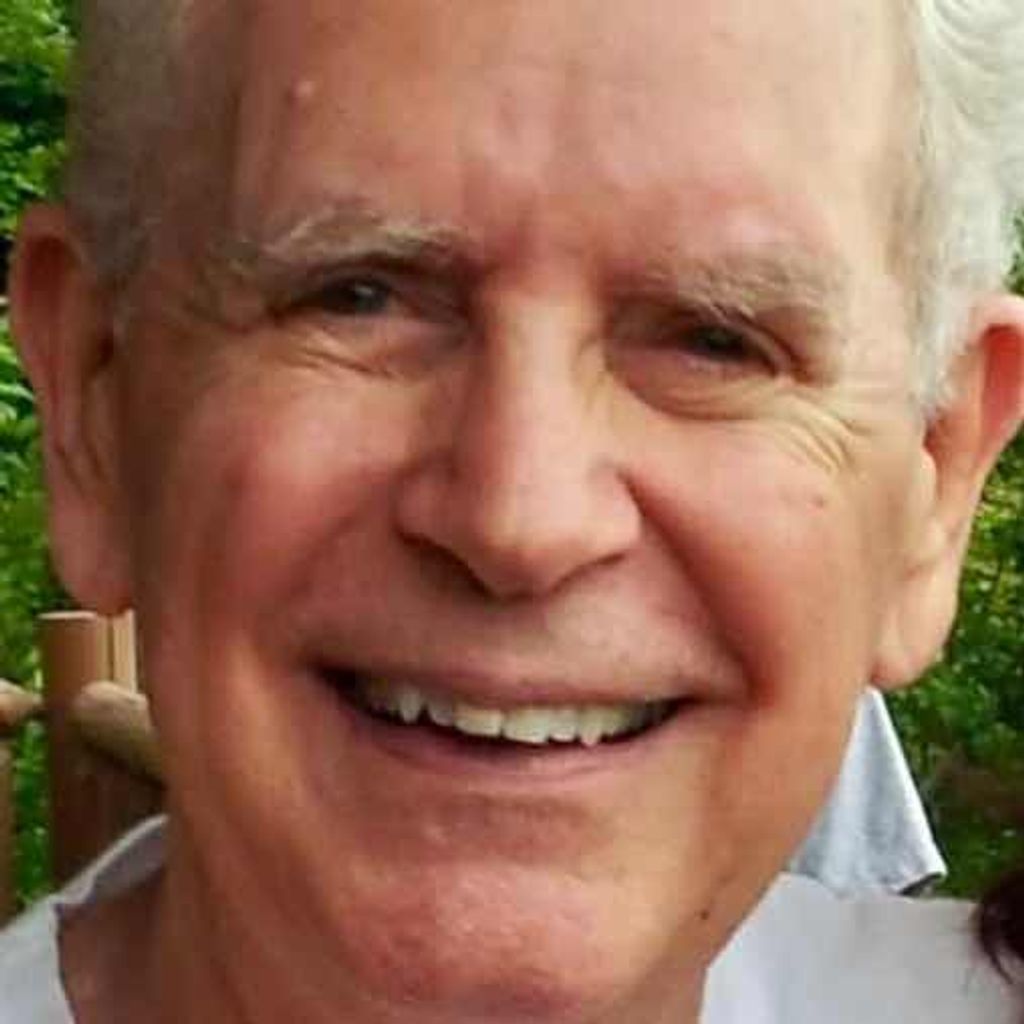
Bobby Prince's career path reads like a dare: Army platoon leader in Vietnam, counselor, practicing attorney, and then — in his mid-forties — one of the founding composers of video game music. Not a pivot from one creative discipline to another, but a lateral leap from law into a medium that barely existed as an art form when he arrived. The soundtracks he wrote for id Software and Apogee between 1992 and 1996 didn't just accompany games; they taught an entire generation that games could have music worth caring about. Born March 12, 1945, in Madison, Indiana, Prince grew up an Army brat — Birmingham, then Athens, Georgia, where he graduated from Athens High School and attended the University of Georgia. The Athens music scene of the 1960s gave him his first performing life, playing with bands including the original Jesters alongside his brother David Prince. That musical foundation never left, even as his professional life wound through the military and the courtroom. The work that matters most landed in the early 1990s. Prince composed and designed sound for Wolfenstein 3D, Doom, Doom II, Rise of the Triad, and Duke Nukem 3D — the games that built the first-person shooter genre and, not incidentally, proved that MIDI-era game audio could carry emotional weight, pacing, and identity. His Doom soundtrack in particular became the template: heavy metal energy compressed into FM synthesis, tracks that players could identify from three notes. The Video Game Industry awarded him a Lifetime Achievement Award in 2005. In 2026, the original Doom soundtrack was selected for preservation in the Library of Congress. Prince married Connie Freeman in 2005 after proposing at Dollywood — he arranged a message on the Dollywood Express Train, then appeared with a guitar and dropped to one knee. They settled in Pigeon Forge, Tennessee, and spent twenty-one years writing songs, producing recordings, and performing together. The proposal story tells you everything about how he operated: elaborate setup, personal execution, music at the center. He is survived by his wife Connie Freeman Prince, sons Robert Caskin Prince IV and Andrew Prince, granddaughter Anabel Prince, sister Patricia Clark, and a large extended family. He was preceded in death by his parents LTC Robert C. Prince Jr. and Dorothy Humber Prince, his brother David Prince, and brother-in-law Bob Clark. Prince's trajectory — from Athens bar bands to Vietnam to a law career to composing some of the most recognizable game music ever written — resists the usual narrative of the focused prodigy. He came to games late, from outside, with skills honed in entirely different disciplines. That outsider energy is audible in the work: the Doom soundtrack doesn't sound like a game composer trying to write metal. It sounds like a musician who happened to be composing for a game. The Library of Congress selection confirms what players already knew — this music outlived its medium's technical constraints and became part of the culture. Celebrations of Life have been announced as forthcoming. The family expressed gratitude to medical teams at the VA, UT Medical Center, Vanderbilt University Medical Center, Covenant Health, Enhabit Home Health, and Amedisys Hospice.
Worth reading?
REVISIT
Score
88
/100
Anyone who played 90s FPS games and hasn't listened to these soundtracks outside the games. Also: game audio students, composers interested in constraint-driven creativity, and anyone curious about how a medium's sonic identity gets established.
Cultural Placement
Think of Ennio Morricone scoring spaghetti westerns — a classically trained outsider arriving in a disreputable genre and giving it a musical identity it didn't know it needed. Prince operated with the same mechanism but different materials: a gigging rock musician and practicing attorney who walked into early-90s PC gaming and wrote the sonic DNA of the first-person shooter. Like Trent Reznor's later game work but rawer, more constrained by hardware, and more foundational — Reznor inherited a tradition Prince helped invent. The closest parallel in games is Koji Kondo's Nintendo work, but where Kondo built whimsy and wonder, Prince built adrenaline and dread within FM synthesis limitations.
Honest assessment
Bobby Prince's body of work is a genuine canon entry in game music — not because of volume or technical sophistication, but because he arrived first and arrived with real musical chops in a medium that had neither. The Doom soundtrack's Library of Congress selection is the institutional confirmation of what the culture already decided. His late-career pivot from law to games is itself a lesson in how foundational creative work often comes from outsiders who don't know what they're not supposed to do.
What Is NOVEL?
88
/ 100
BedrockNews applies a structured analytical framework called NOVEL to cultural works — games, books, film, music, and more.
How NOVEL worksNerve
4/5
Originality
4/5
Voice
5/5
Endurance
5/5
Lineage
4/5
What did the artist risk? What could have failed?
High risk, fully landed. A mid-career attorney entering a medium with no established composer tradition, writing heavy metal for FM synth chips. If the games had flopped, nobody would know his name.
Lineage tree
Athens GA rock scene
formative musical training ground
Koji Kondo (Nintendo)
parallel pioneer in different tonal register
Heavy metal / Southern rock
direct genre source material
FM synthesis constraints
hardware limitation that shaped the voice
Verified Facts (12)
Robert Caskin 'Bobby' Prince III passed peacefully on June 16, 2026
Born March 12, 1945, in Madison, Indiana
Eldest son of the late LTC Robert C. Prince, Jr. and Dorothy Humber Prince
Graduated from Athens High School and attended the University of Georgia
Served in the United States Army during the Vietnam War as a platoon leader
Compositions and sound design for Doom, Doom II, Wolfenstein 3D, Rise of the Triad, and Duke Nukem 3D
In 2005, the Video Game Industry honored him with a Lifetime Achievement Award
In 2026, the soundtrack to the original Doom was selected for preservation in the Library of Congress
Met and married Connie Freeman Prince in 2005
Made their home in Pigeon Forge, Tennessee, sharing twenty-one years
Marriage proposal at Dollywood with message on the Dollywood Express Train
Survived by wife Connie Freeman Prince, sons Robert Caskin Prince IV and Andrew (Cristy) Prince, granddaughter Anabel Prince, sister Patricia Clark
More latest news
Read all