Watch
The Europa Concept
on NASA+
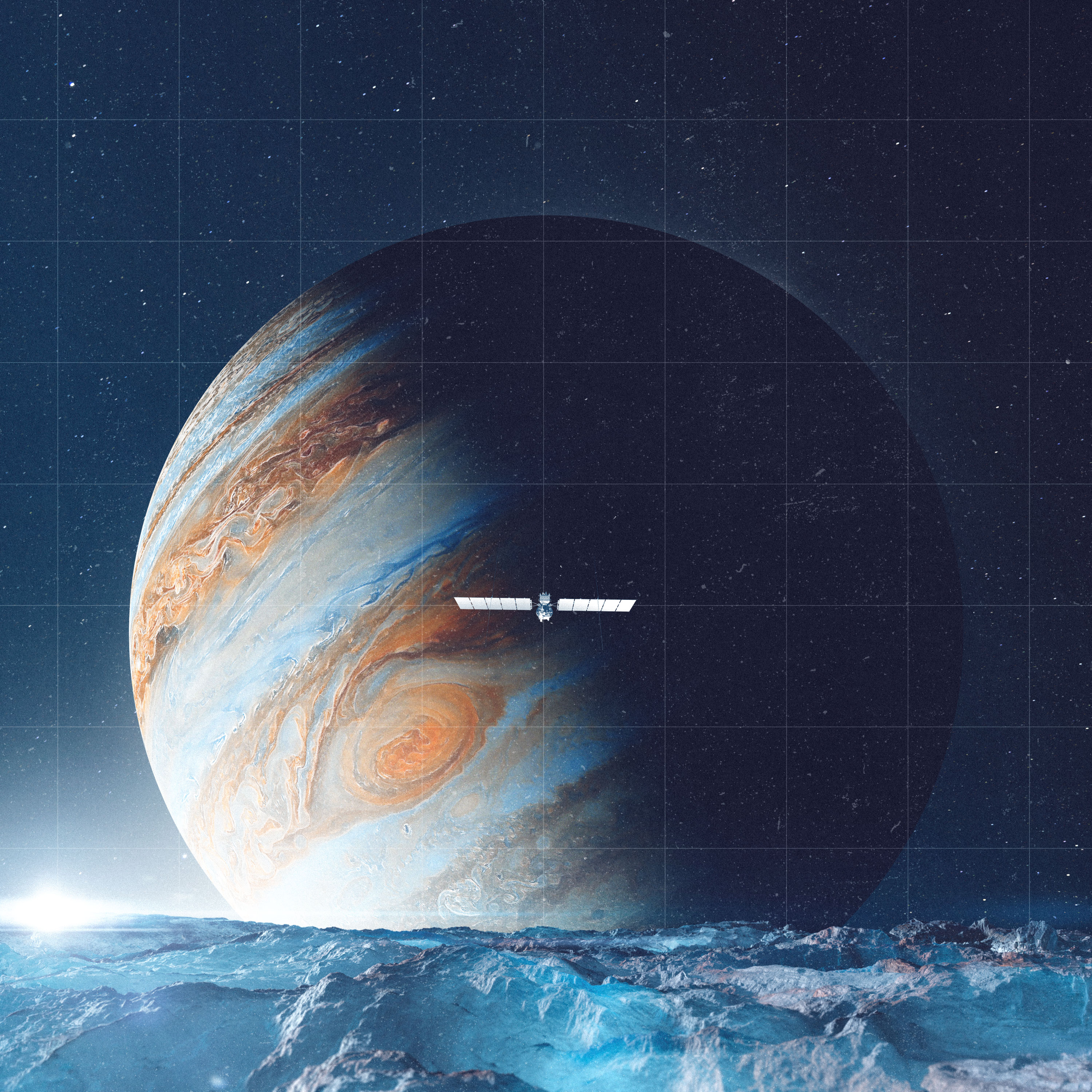
NASA has been making documentaries about its own missions for decades, and the results range from glorified press releases to genuinely moving records of human ambition. "The Europa Concept" lands closer to the latter. The subject matter alone does most of the heavy lifting: a spacecraft the size of a basketball court, hurtling 1.8 billion miles toward a moon that might harbor life beneath its ice. That's not a pitch you need to dress up. The documentary follows the team at JPL and partner institutions through 11 years of development — from the mission's official start in 2013 through the October 2024 launch, with all the obstacles in between. Those obstacles are where the film earns its keep. A global pandemic. A Category 5 hurricane bearing down on Kennedy Space Center days before launch. The relentless engineering challenge of building instruments that can survive Jupiter's radiation environment. These aren't manufactured tensions; they're the actual production log of the mission. The talking-head structure is standard institutional documentary fare. Curt Niebur, the program scientist, delivers the film's best line about exploration being the desire to do it again somewhere else. Jordan Evans, the former project manager, speaks to the teamwork with genuine feeling. The film wisely lets the engineers and scientists carry the narrative rather than layering on celebrity narration or overwrought scoring. What works is the scale. Europa Clipper is the largest spacecraft NASA has ever sent into deep space, carrying nine science instruments designed to probe an ocean we've never directly observed. The documentary does a credible job of conveying the lineage — Pioneer 10 in 1973, Voyager 1 in 1979, Galileo, Cassini, Juno — that made this mission conceivable. Each predecessor revealed something new about Europa, and the film traces that chain of discovery without rushing through it. The limitations are the limitations of the form. This is NASA telling the story of NASA, which means certain questions go unasked. Budget fights, political headwinds, the transistor scare that briefly threatened the mission's electronics — the documentary sticks to the inspirational register. That's a choice, not a failure, but it means the film is more celebration than interrogation. The runtime is mercifully tight for what it covers. You get the history, the engineering, the human drama, and enough science to understand what Europa Clipper is actually looking for without feeling lectured. The flybys won't begin until the spacecraft reaches Jupiter in 2030, so this is a story told at the midpoint — the launch accomplished, the discoveries still ahead. For anyone who watched the launch in October 2024 and wondered about the decade of work behind it, this fills in the picture. It won't convert anyone who doesn't already care about planetary science, but for the audience that does, it's a solid, competent, occasionally moving piece of institutional filmmaking.
Worth reading?
OPTIONAL
Score
44
/100
Space enthusiasts who followed the Europa Clipper launch and want the behind-the-scenes story. If you watched the October 2024 launch live, this is for you.
Cultural Placement
Like "Good Night Oppy" but without the emotional climax of a mission's end, with the institutional steadiness of a Ken Burns PBS episode and the subject-matter grandeur of "The Farthest." This is mid-mission documentary — closer to a NASA JPL open-house presentation given cinematic polish than to independent science filmmaking. The form is familiar: talking heads, archival footage, CGI flybys, swelling music. What distinguishes it is the genuine drama embedded in the production timeline and the sheer ambition of the mission itself.
Honest assessment
"The Europa Concept" is a well-made institutional documentary that benefits enormously from its subject. It won't challenge you formally or surprise you structurally, but it delivers a clear, human account of one of the most ambitious planetary science missions ever attempted. Its ultimate value depends on what Europa Clipper finds when it gets there.
What Is NOVEL?
44
/ 100
BedrockNews applies a structured analytical framework called NOVEL to cultural works — games, books, film, music, and more.
How NOVEL worksNerve
1/5
Originality
2/5
Voice
2/5
Endurance
3/5
Lineage
3/5
What did the artist risk? What could have failed?
Almost no risk taken. Institutional documentary made by the institution about itself, following a proven template. The subject provides inherent drama; the filmmaking doesn't gamble on form or framing.
Verified Facts (13)
Europa Clipper is the largest NASA spacecraft ever sent into deep space
1.8 billion-mile (2.9 billion-kilometer) journey to the Jupiter system
Five-year journey; two years in as of documentary release
Mission work officially began at JPL in 2013
Suite of nine science instruments
Launch on Oct. 14, 2024
Category 5 hurricane and tornadoes near Kennedy Space Center before launch
Europa discovered by Galileo Galilei in 1610
Pioneer 10 obtained data in 1973, followed by Pioneer 11 in 1974
Voyager 1 flyby in 1979
Documentary airs on NASA+ starting Monday, Nov. 23
Curt Niebur is program scientist in the Planetary Science Division at NASA Headquarters
Jordan Evans is director of flight projects at JPL and previous project manager
More latest news
Read all