HEMP BAN DATE
JUL 31
FED LAW EFFECTIVE
DEC 11
STATEWIDE OFFICES FLIPPED
3
OLD Δ9 THC LIMIT
0.3%
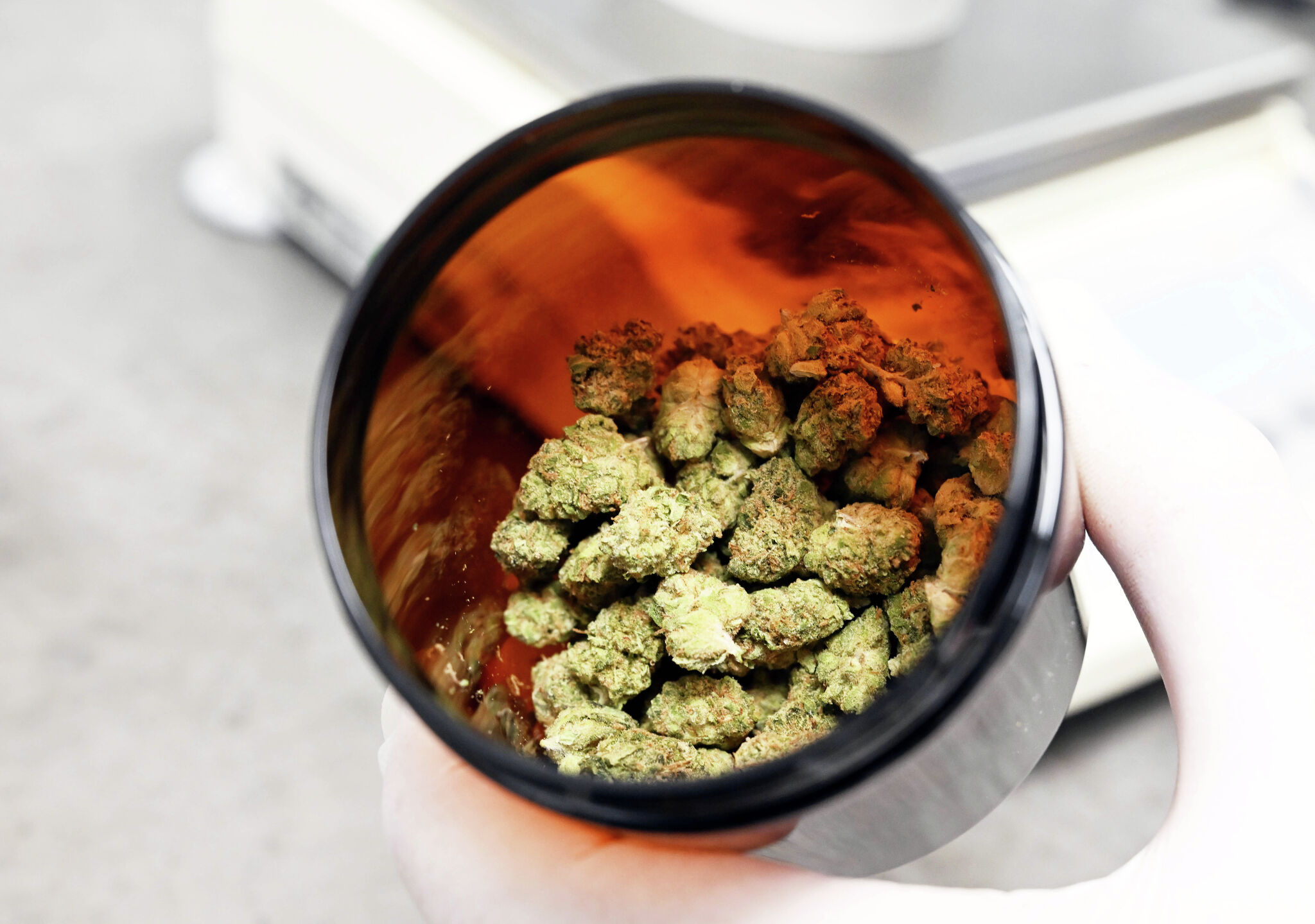
Texas prohibited retail sale of delta-8 THC, delta-10 THC, THCP, and other hemp-derived cannabinoid products on July 31, 2026. Before that date, products containing less than 0.3% delta-9 THC by dry weight were legal, along with products containing other cannabinoids. The ban eliminated a market that had operated in the open for years.
Extraction Map
On Nov. 3, Democrats won the governor's office, lieutenant governor's office, and the Texas House, ending decades of Republican dominance. Lt. Gov.-elect Vikki Goodwin, a Democratic state representative from Austin, defeated Lt. Gov. Dan Patrick, who had advocated stricter hemp laws. The political infrastructure that built the ban is now gone. A new federal law on hemp is scheduled to take effect Dec. 11, 2026. It would tighten the federal definition of hemp by measuring total THC instead of only delta-9 THC and imposing stricter limits on finished consumer products. This federal shift adds regulatory pressure from above while Texas' own political ground shifts beneath. The legalization question is not abstract. Texas has long maintained some of the strictest cannabis laws in the country. Neighboring states with legal markets — New Mexico, Colorado, Oklahoma (medical) — have captured tax revenue and built regulatory frameworks while Texas consumers crossed borders or turned to the now-banned hemp-derived market. Every year of prohibition is revenue redirected to other states and enforcement costs borne by Texas taxpayers. The reader responses published alongside this article are uniformly pro-legalization, spanning libertarian, fiscal-conservative, and medical-access arguments. That sample is self-selected and not representative, but the political realignment is real: Goodwin's victory over Patrick is a direct repudiation of the restrictive posture. The question is whether the new Democratic majority treats cannabis reform as a priority or a distraction from other agenda items. The structural tension is clear. Texas banned hemp cannabinoids in July. Federal law tightens further in December. Democrats now hold the levers but face a 2027 legislative session with competing priorities and a state culture that has resisted legalization longer than almost any peer. Whether this becomes a generative policy shift — creating tax revenue, regulated markets, and reduced enforcement costs — or remains stuck in prohibition depends entirely on whether new leadership spends political capital on it. The Austin American-Statesman framed this as a reader-engagement exercise, soliciting opinions rather than investigating the economics or drafting a policy analysis. That's a missed opportunity. The real story is the collision of three timelines: the July state ban, the December federal redefinition, and the January 2027 inauguration of a government with fundamentally different incentives.
Worth reading?
SKIP
Score
36
/100
Currently extractive — prohibition channels consumer spending to neighboring states and enforcement budgets while generating zero in-state tax revenue. Legalization would be generative, but it hasn't happened yet.
What Is GRIN?
GRIN stands for Generativity, Resilience, Innovation efficiency, and Novelty openness. These four dimensions capture the essential characteristics of any memetic intelligence — whether a nation, a corporation, a religion, or a movement.
About GRINGenerativity
1/5
Resilience
2/5
Efficiency
1/5
Novelty
3/5
Extractive
3/5
Inverted
Does this create new capability or just redistribute existing value?
Net zero today. Prohibition destroyed a legal hemp market in July without creating anything. Legalization potential is real but entirely unrealized — new leadership hasn't signaled a timeline.
Verified Facts (5)
On July 31, Texas prohibited the retail sale of products containing cannabinoids such as delta-8 THC, delta-10 THC and THCP
Before then, Texans could legally buy those hemp products containing less than 0.3% delta-9 THC by dry weight
Democrats won statewide offices in the Nov. 3 midterm elections, ending decades of Republican dominance and putting Democrats in control of the governor's office, lieutenant governor's office and Texas House
Lt. Gov.-elect Vikki Goodwin, a Democratic state representative from Austin, defeated Lt. Gov. Dan Patrick
A new federal law on hemp is scheduled to take effect Dec. 11, 2026, measuring total THC instead of only delta-9 THC
More latest news
Read all