AGE AT DEATH
95
MCC → AUSTIN
1983
YEARS OF COMPOUNDING
40+
INTEL AGENCIES LED
2
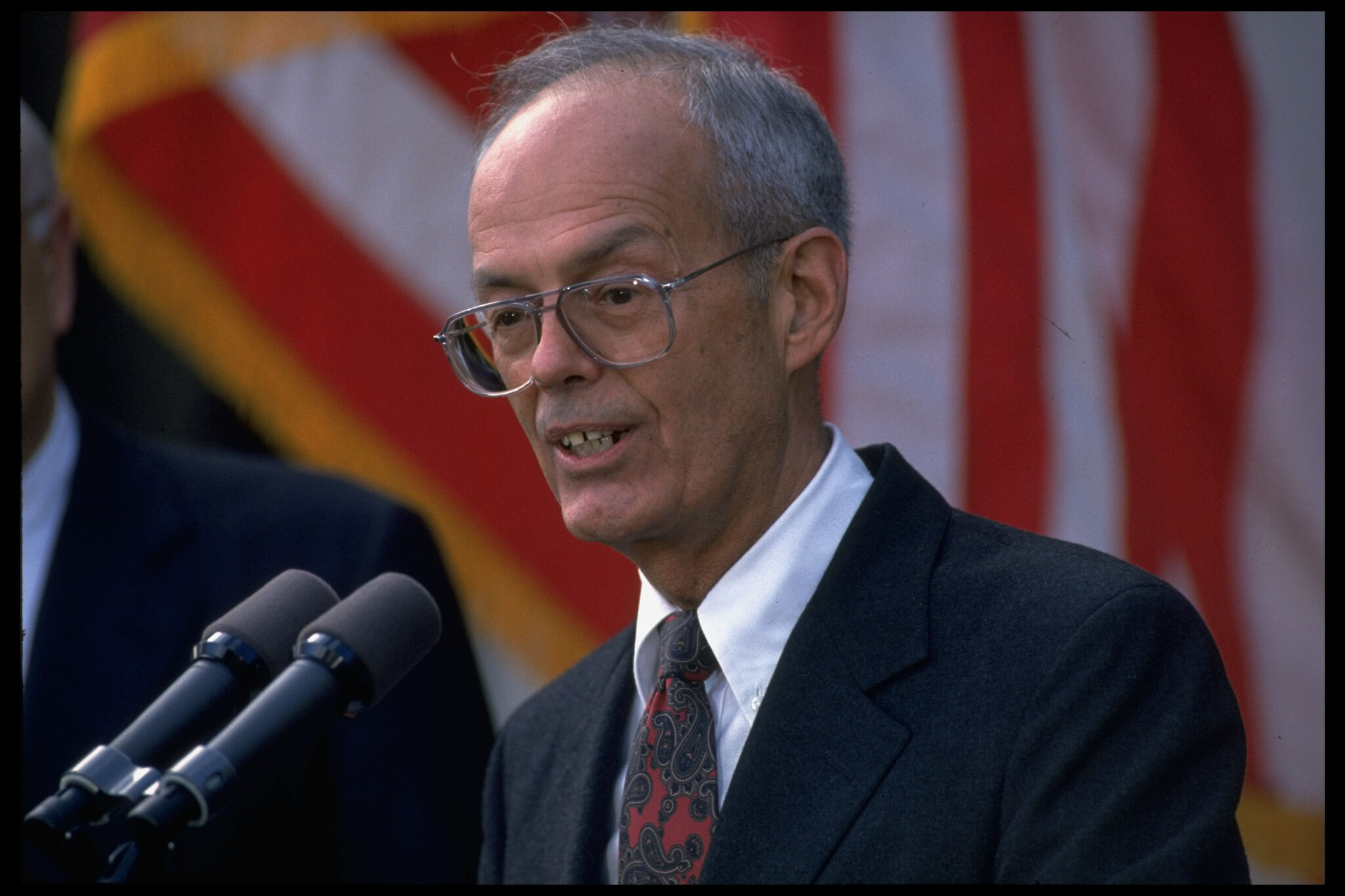
Bobby Ray Inman, a four-star Navy admiral who directed the National Security Agency under Carter and served as CIA deputy director under Reagan, has died at 95. His son Tom confirmed the death. Inman's intelligence career was distinguished, but his most consequential decision for Austin happened after he left government.
Extraction Map
In 1983, Inman helped steer Microelectronics and Computer Technology Corp. (MCC), a major computer research consortium, to Austin over established tech corridors like MIT and Caltech. The move was deliberate: Inman wanted a university partner with growth potential, not a saturated incumbent. UT Austin was the beneficiary, and the partnership elevated the university's standing as a center for tech education and research. MCC's arrival was a catalyst, not an endpoint. The consortium attracted hundreds of jobs directly and helped pull Sematech, the semiconductor research consortium, to Austin as well. The compounding effect of these two anchors shaped the city's trajectory for the next four decades, creating the talent and institutional infrastructure that later attracted Samsung, Apple, Tesla, and others. Born April 4, 1931, in Rhonesboro, Texas, Inman graduated from UT at 19 and joined the Navy in 1951. He rose through military intelligence to lead the NSA and serve as CIA deputy director before retiring from the Navy in 1982. His wife Nancy co-founded the Thinkery (formerly the Austin Children's Museum) and the couple established UT scholarships. Inman's post-government career was not without turbulence. President Clinton nominated him as defense secretary in 1993, but he withdrew the following year amid accusations he made against political opponents and journalists. Business ties to a defense contractor involved in a major fraud scandal drew scrutiny, though Inman was not accused of wrongdoing. He returned to UT as a professor in 1987 and twice served as interim dean of the LBJ School of Public Affairs, retiring from teaching in 2021 at age 90. He was inducted into the Austin Tech Hall of Fame in 2024. Even in retirement at the Querencia community in Barton Creek, Inman delivered monthly intelligence briefings — 40 minutes without notes — that former American-Statesman editor Rich Oppel compared to presidential CIA briefings. Inman's legacy is a case study in generative placemaking: one well-aimed institutional decision that compounded over decades because it was designed to build local capacity rather than extract from it. Austin's tech identity is not solely his doing, but the seed capital — human, institutional, reputational — traces back to 1983.
Worth reading?
RECOMMENDED
Score
76
/100
Generative. Inman's MCC decision deliberately chose a growing university over established incumbents, building local capacity rather than extracting from it, with compounding returns over 40+ years.
What Is GRIN?
GRIN stands for Generativity, Resilience, Innovation efficiency, and Novelty openness. These four dimensions capture the essential characteristics of any memetic intelligence — whether a nation, a corporation, a religion, or a movement.
About GRINGenerativity
4/5
Resilience
3/5
Efficiency
4/5
Novelty
4/5
Extractive
1/5
Inverted
Does this create new capability or just redistribute existing value?
Textbook generative placemaking. Steering MCC to Austin seeded a talent and institutional ecosystem that compounded for four decades, pulling Sematech, then Samsung, Apple, and Tesla.
Verified Facts (16)
Bobby Ray Inman died at 95; death confirmed by his son Tom Inman.
Born April 4, 1931, in Rhonesboro, Texas.
Graduated from the University of Texas at age 19.
Joined the Navy in 1951.
Served as director of the National Security Agency under President Jimmy Carter.
Served as deputy director of the CIA under President Ronald Reagan.
Retired from the Navy as a four-star admiral in 1982.
In 1983, helped bring Microelectronics and Computer Technology Corp. (MCC) to Austin.
Married Nancy Carolyn Russo Inman in 1958; two sons, Tom and William.
Nancy Inman co-founded the Thinkery, formerly the Austin Children's Museum.
President Bill Clinton nominated him to be defense secretary in 1993; he withdrew the following year.
Business ties to a defense contractor involved in a major fraud scandal drew scrutiny, though he was not accused of wrongdoing.
Twice served as interim dean of UT's LBJ School of Public Affairs.
Retired from teaching in 2021.
Inducted into the Austin Tech Hall of Fame in 2024.
Gave monthly intelligence briefings at Querencia, a Barton Creek retirement community.
More latest news
Read all