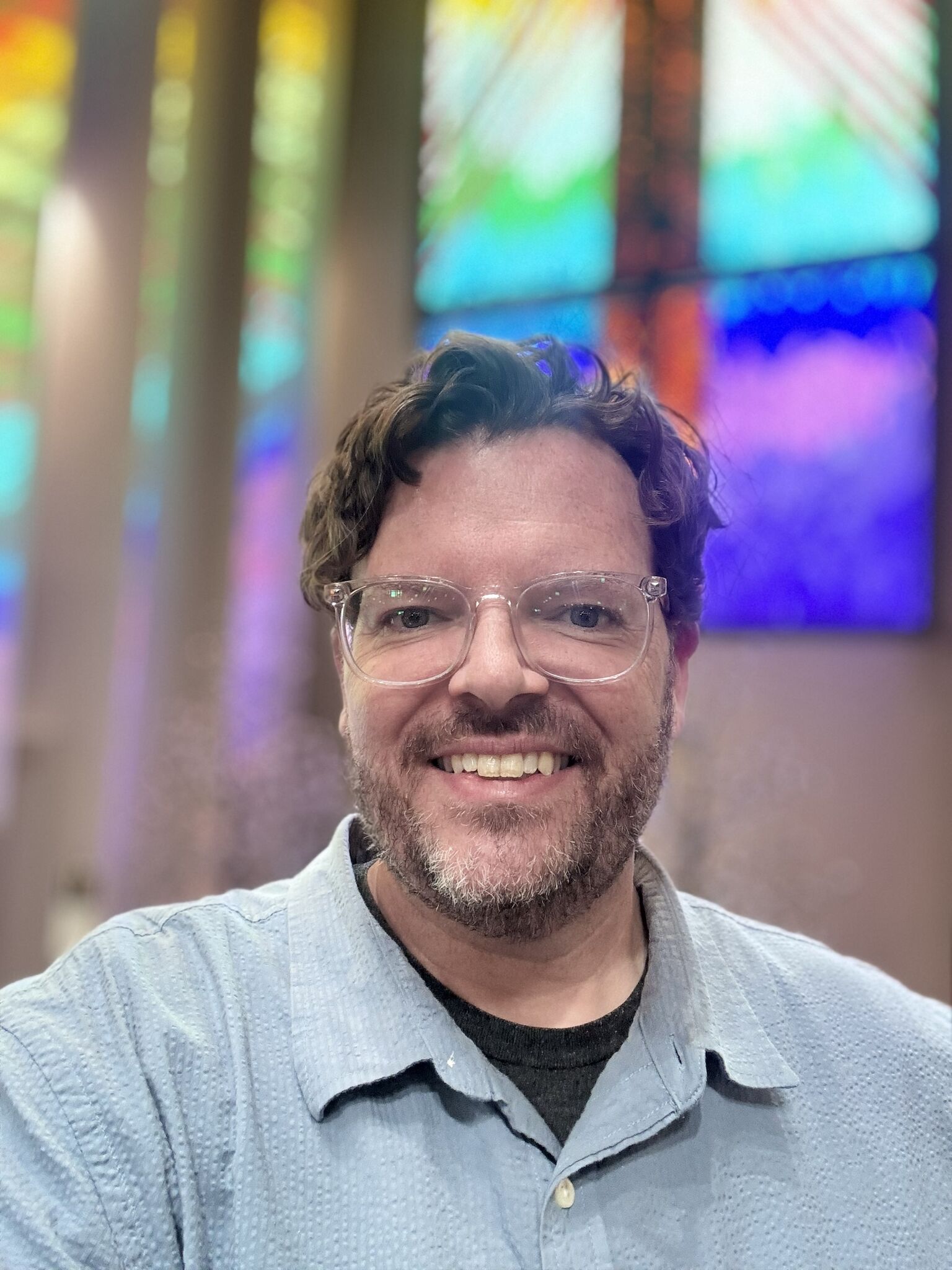
Curt Davis, pastor of Pflugerville First United Methodist Church, makes a simple argument that lands harder than it looks: the best way to deepen your own religious practice is to sit inside someone else's. This is not the "all paths lead to the same mountain" flattening that irritates both believers and skeptics. It is a specific Methodist theological claim — that Christian perfection (teleios, from telos, meaning "completed form") is about expanding love, not achieving moral flawlessness — applied to the concrete act of showing up at an Eid-ul-fitr celebration and eating remarkably delicious food with the Dawoodi Bohras of Austin. The essay's load-bearing concept is "holy envy," a term coined by Krister Stendahl while serving as bishop of Stockholm. It means admiring something in another tradition that your own lacks or underemphasizes. Davis doesn't inventory what specifically he envies — that's both a missed opportunity and perhaps deliberate restraint — but the Eid scene does the work implicitly: hospitality as worship, generosity as theology, the simple radical act of serving guests as an offering to the Creator. What Davis gets right is the framing of interfaith work as practice, not tourism. His high school choir director's line — "Practice makes permanent, not necessarily perfect" — does real structural work here. It reframes perfection from destination to direction, which is the entire Methodist theological point. The Greek etymology (teleios/telos) is deployed not as academic decoration but as the hinge the argument turns on. The essay is modest in scope and ambition. It is a 700-word opinion column in a regional newspaper, written by a working pastor for a general audience. It does not engage with the harder questions of interfaith theology — syncretism, exclusivist truth claims, the tension between "my faith is enriched by yours" and "my faith claims to be uniquely true." These are real questions, and ducking them is the essay's most significant limitation. Still, the piece works because it stays concrete. The Eid celebration isn't an abstraction — it's a specific community, a specific evening, specific food. Davis names the Dawoodi Bohras by name. He names Stendahl. He names his own tradition's theological framework and traces its Greek roots. For a short opinion piece, this is disciplined craft. The audience for this piece is narrow but real: people of faith (any faith) who sense that insularity is making their practice smaller, and who want theological permission to look outward. Davis provides that permission from within orthodox Methodist theology, which is the essay's quiet strength. He isn't arguing from secular pluralism. He's arguing from Jesus's instruction to be perfect — and redefining what that means. Whether this essay changes anyone's mind is unknowable. Whether it articulates something that a certain kind of believer already feels but hasn't had language for — that seems likely. It's a small piece doing a small thing well.
Worth reading?
OPTIONAL
Score
36
/100
Mainline Protestants curious about interfaith practice who want theological permission from within their own tradition. Also useful for interfaith organizers looking for accessible language to share with hesitant congregants.
Cultural Placement
Like a Marilynne Robinson essay stripped to 700 words and rooted in parish ministry rather than academia — with the accessible warmth of Henri Nouwen's devotional writing and the interfaith curiosity of Krista Tippett's interview approach. The mechanism is theological reframing: take a word the audience thinks they understand (perfection), trace its etymology, and redirect it from moral achievement to relational expansion. It's closer to a homily than an essay, and it knows that.
Honest assessment
A competent, warm parish-level essay that does one thing well: it gives Methodist believers a theological framework for interfaith curiosity that doesn't require abandoning their own truth claims. It doesn't take risks or break new ground, but it articulates a position with clarity and genuine personal warmth. This is a good sermon illustration, not a significant essay.
What Is NOVEL?
36
/ 100
BedrockNews applies a structured analytical framework called NOVEL to cultural works — games, books, film, music, and more.
How NOVEL worksNerve
1/5
Originality
2/5
Voice
2/5
Endurance
1/5
Lineage
3/5
What did the artist risk? What could have failed?
Very little risked. Interfaith tolerance is the safest possible position for a mainline Protestant pastor writing in a liberal metro newspaper. No theological tension courted, no hard cases engaged.
Verified Facts (6)
Curt Davis serves as the pastor of Pflugerville First United Methodist Church
Curt Davis is an ordained elder in the Rio Texas Conference of the United Methodist church
The term 'holy envy' was coined by Krister Stendahl while serving as the bishop of Stockholm in the Church of Sweden
The word 'perfect' is translated from the Greek word teleios, which is derived from the word telos
At the end of Ramadan this year, Davis was invited to celebrate Eid-ul-fitr with the Dawoodi Bohras of Austin
Doing Good Together is compiled by Interfaith Action of Central Texas
More latest news
Read all