FIRST OFFENSE FINE
$25–$99
MAX FINE · FATAL CRASH
$4,000
MAX JAIL · CLASS A
1 YEAR
HEADPHONE-SPECIFIC BANS
0
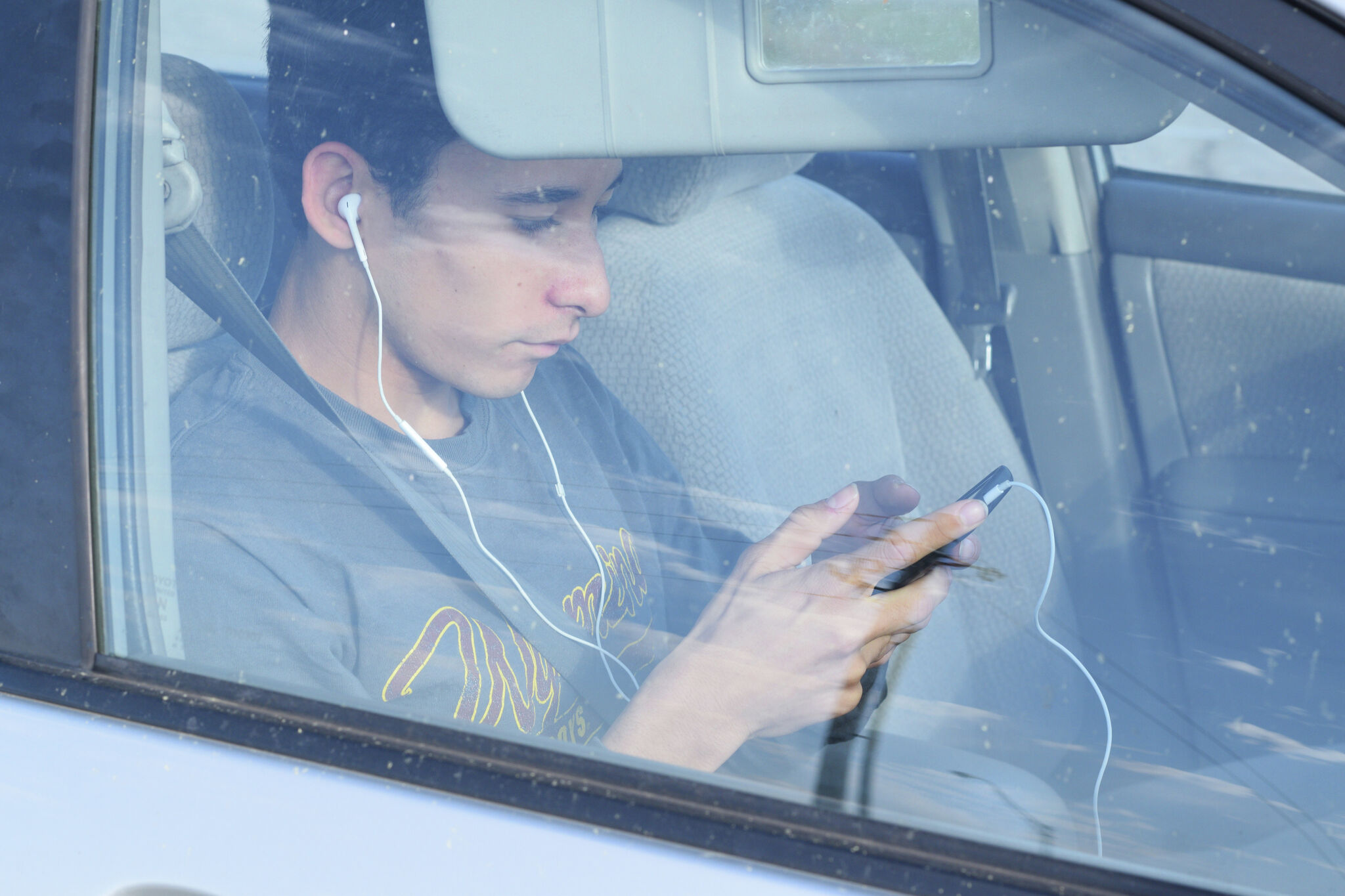
Texas has no law specifically prohibiting drivers from wearing headphones, earbuds, or AirPods behind the wheel. That's the clean answer. The messier reality is that the state's distracted driving framework can still catch headphone-wearing drivers who cross other legal lines — and the penalties escalate fast.
Extraction Map
The operative statute is Texas Transportation Code Section 545.4251, which prohibits reading, writing, or sending electronic messages on a portable wireless communication device while operating a motor vehicle, unless the vehicle is stopped. A first offense is a misdemeanor carrying a $25–$99 fine. A subsequent conviction bumps that to $100–$200. These are modest numbers that most drivers shrug off. The escalation clause is where the law gets serious. If distracted driving causes an accident resulting in death or serious bodily injury, the offense can be elevated to a Class A misdemeanor — punishable by up to $4,000 in fines and up to one year in jail. That's not a traffic ticket. That's a criminal record. Texas DPS defines distracted driving more broadly than the texting statute alone. Eating, adjusting the radio, talking with passengers, and other attention-diverting activities all qualify as distractions under department guidance. There is no single blanket statewide fine for being "distracted," but other traffic violations or criminal charges may apply depending on driver conduct and whether a crash occurs. The practical risk of wearing headphones is auditory isolation. Drivers who can't hear emergency vehicle sirens, horns, or mechanical problems with their own vehicle are functionally impaired in a way that the law doesn't directly penalize — until something goes wrong. As injury law firm Texas Law Guns notes, "It only takes a moment while a driver is distracted for the vehicle in front of them to suddenly brake or for a pedestrian to run onto the road." The gap between legality and safety is the real story here. Texas chose not to legislate headphone use directly, leaving enforcement to downstream consequences — fines after crashes, criminal charges after deaths. This is a reactive framework, not a preventive one. Drivers wearing AirPods are legal right up until they aren't, and by that point the damage is done. For drivers, the takeaway is straightforward: wearing headphones in Texas is legal, technically safe from a ticketing standpoint, but adds a layer of sensory deprivation that the law will hold against you if anything goes wrong. The statute is designed to punish outcomes, not prevent them.
Worth reading?
SKIP
Score
36
/100
Mildly extractive — Texas's distracted driving framework is reactive rather than preventive, collecting fines and criminal charges after crashes rather than prohibiting the high-risk behavior upfront.
What Is GRIN?
GRIN stands for Generativity, Resilience, Innovation efficiency, and Novelty openness. These four dimensions capture the essential characteristics of any memetic intelligence — whether a nation, a corporation, a religion, or a movement.
About GRINGenerativity
1/5
Resilience
1/5
Efficiency
2/5
Novelty
2/5
Extractive
2/5
Inverted
Does this create new capability or just redistribute existing value?
No new capability created. The legal gap between 'headphones are legal' and 'headphones contributed to a fatal crash' generates zero safety value until someone is already hurt.
Verified Facts (5)
Texas law does not specifically prohibit drivers from wearing headphones or earpieces.
Tex. Transp. Code § 545.4251 prohibits reading, writing, or sending electronic messages on a portable wireless communication device while operating a motor vehicle unless the vehicle is stopped.
A first offense carries a $25–$99 fine; a subsequent conviction carries a $100–$200 fine.
If the driver causes an accident that results in death or serious bodily injury, the offense can be elevated to a Class A misdemeanor, punishable by up to $4,000 in fines and up to one year in jail.
Texas DPS defines distracted driving more broadly than texting: it can involve eating, adjusting the radio or climate controls, talking with passengers.
More latest news
Read all