Listen
What Adam Robinson Knew About Time — with Finnian Kelly
on YouTube
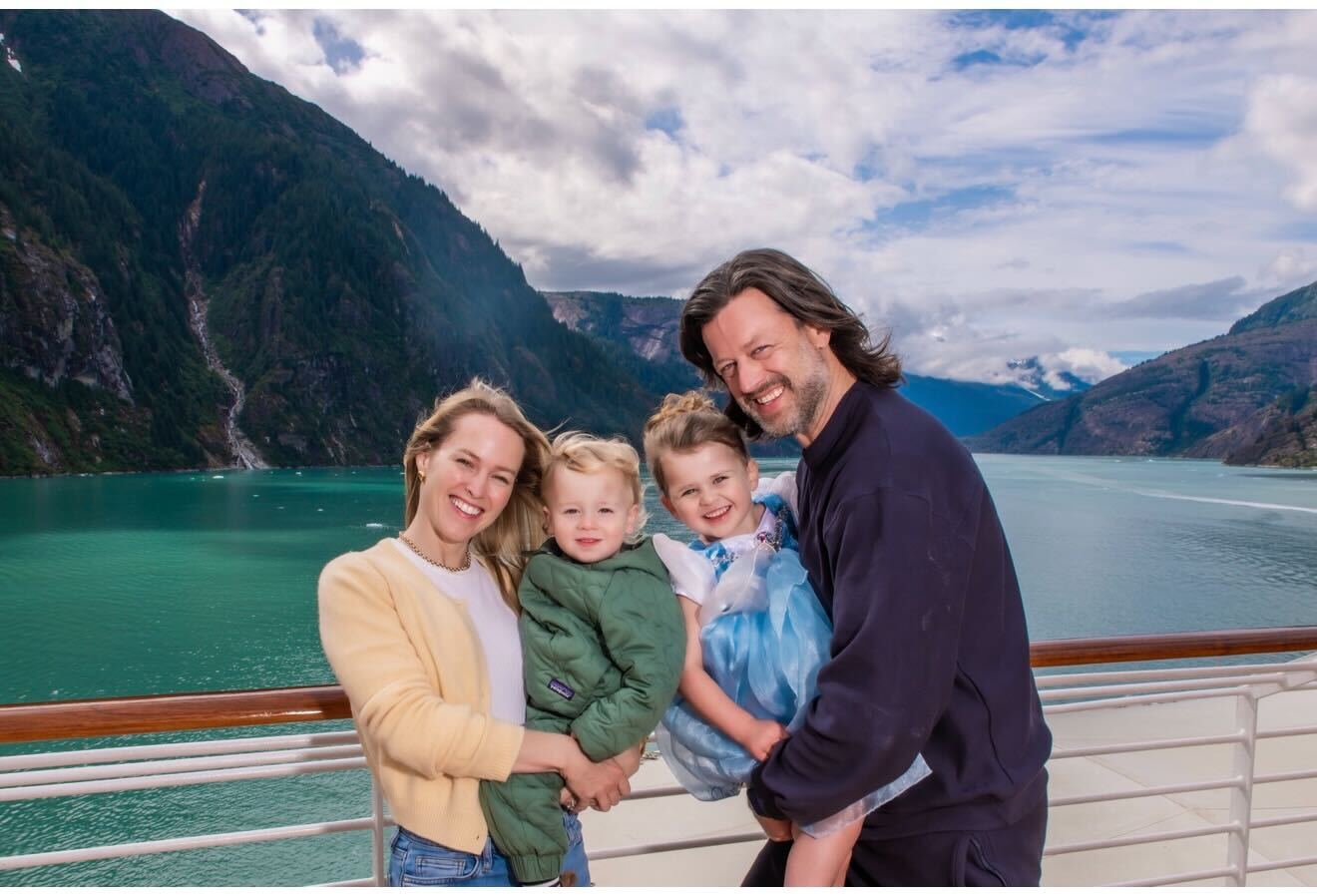
On November 1, 2026, a Learjet 60 flying from Austin to the Bahamas crashed in Greenacres, Florida, killing all nine people on board. Among them were Adam Robinson, 45, a technology entrepreneur; his wife Helen Sharp, 40; their children Emma, 4, and Charlie, 2; friends Rachael Reed and Charmi Fehr; the children's nanny, Anita Maria Cetina; and two pilots. What followed was not just mourning but a deliberate act of public remembrance. Five days after the crash, Finnian Kelly — an author and entrepreneur based in Aspen, Colorado, who had spoken with Robinson nearly every day this year — sat down for a previously scheduled appearance on the Die With Zero podcast. He had considered canceling. Instead, he decided Robinson would have wanted the conversation to happen. The episode, released November 18 without advertisements, was produced with the families' consultation and support. The podcast's organizers donated to a fundraiser established by Cetina's family. The episode works because Kelly doesn't eulogize in abstractions. He builds the portrait from specific, small-scale memories: Robinson bringing his dog Bonnie to a formal gala. The families sharing a charcuterie board on a private plane. A bear approaching their dinner table in Aspen after a child's birthday party, and no one leaving. A renovated Airstream trailer gifted between families. Sharp performing a sound bowl session before the birth of Kelly's daughter. Kelly's two-year-old son still talking about Emma and Charlie, still associating a small pasta table — now in Kelly's home — with his friends. The philosophical thread running through the episode centers on Robinson's engagement with Gary Zukav's "The Seat of the Soul," which Robinson had been listening to repeatedly for six months before the crash. Kelly reveals that their final exchange, as Robinson was boarding the plane, concerned the book's last chapter — a conversation about spirituality, trust, and uncertainty. The two had also discussed mortality after another friend of Robinson's died in a separate plane crash earlier this year. Kelly is honest about what grief actually feels like from the inside. "That's a funny thing about grief: you start grieving all the future scenarios as well," he said. The loss isn't only backward-facing — it's the collapse of an entire projected future of shared dinners, children growing up together, plans that will never be made. Kelly and his partner Sydney found some comfort in knowing they had not deferred their friendship, that they had spent the time when it was available. The episode's emotional core is its argument that ordinary moments — pasta at a kids' table, an extra hour at dinner, a photograph kept — are the actual substance of a life, not supplements to it. Kelly said the experience changed how he approaches time with his own children and partner. He decided to proceed with an upcoming birthday celebration he had considered canceling, believing Robinson and Sharp would have wanted their friends to remain connected. The podcast does not discuss the ongoing crash investigation. It is not interested in cause or blame. It is interested in a narrower, harder question: what do you do with the time you have, knowing what you now know about how it ends?
Worth reading?
OPTIONAL
Score
52
/100
People processing their own grief, parents of young children thinking about time and presence, or anyone in the Austin tech community who knew or knew of these families.
Cultural Placement
Like Joan Didion's 'The Year of Magical Thinking' compressed into podcast form, with the self-help intentionality of Bill Perkins' 'Die With Zero' philosophy providing the structural frame. The pacing and emotional texture are closer to 'On Being' interviews than to true-crime or investigative podcasts — this is a friend sitting with grief on microphone, not a reporter reconstructing events. The lineage runs through the 'grief as public testimony' tradition of C.S. Lewis's 'A Grief Observed' and Cheryl Strayed's 'Tiny Beautiful Things,' but filtered through the Silicon Valley optimization-of-life ethos that makes the Die With Zero brand both its platform and its limitation.
Honest assessment
This is a sincere, well-constructed act of public mourning that works best as testimony rather than as art. Kelly's specific memories do real emotional work, and his willingness to record so soon after the crash gives the episode an unvarnished quality that polished eulogies lack. It won't reshape the grief-memoir form, but it does what it sets out to do — honor friends by showing who they were in the small moments.
What Is NOVEL?
52
/ 100
BedrockNews applies a structured analytical framework called NOVEL to cultural works — games, books, film, music, and more.
How NOVEL worksNerve
3/5
Originality
2/5
Voice
3/5
Endurance
2/5
Lineage
3/5
What did the artist risk? What could have failed?
Recording five days after losing your closest friends is genuinely risky — the grief is raw enough to collapse into incoherence or performance. Kelly mostly holds the line.
Verified Facts (10)
Adam Robinson, 45, Helen Sharp, 40, and their children Emma, 4, and Charlie, 2, were among nine people killed Nov. 1 when a Learjet 60 crashed in Florida.
Others killed included Rachael Reed, Charmi Fehr, the children's nanny Anita Maria Cetina, and two pilots.
The jet was traveling from Austin to the Bahamas and crashed in Greenacres, Fla.
Finnian Kelly is an author and entrepreneur who lives in Aspen, Colorado.
The podcast episode was released Nov. 18 on the Die With Zero podcast.
The episode was recorded Nov. 6, five days after the crash.
Robinson had been listening to 'The Seat of the Soul' by Gary Zukav for six months before the crash.
The podcast was released without advertisements and organizers donated to a fundraiser established by Cetina's family.
The podcast's organizers said the families were consulted before the episode was released and supported its release.
Another friend of Robinson's died in a separate plane crash earlier this year.
More latest news
Read all